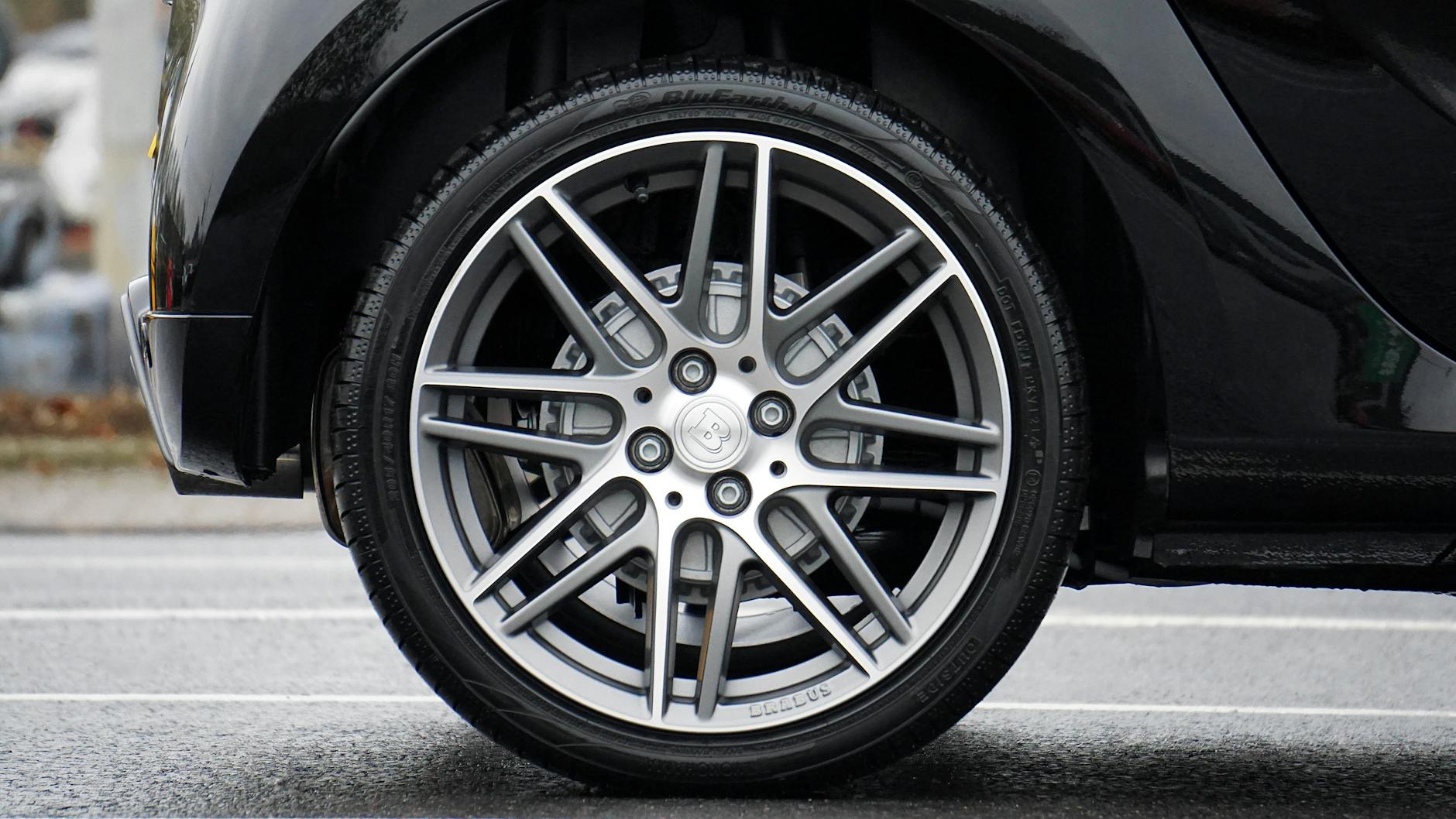
Custom Alloy Wheels: Everything Worth Knowing

Alloy wheels are one of the highest-impact modifications you can make to a car. They affect how the car looks, how it handles, how much unsprung weight it carries, and how the tires wear. Get them right and everything clicks. Get them wrong and you're chasing vibrations, scrubbing fenders, or ruining a perfectly good set of tires.
This guide covers everything that actually matters when buying custom alloy wheels — the metallurgy, the manufacturing methods, how to spec fitment correctly, what finishes hold up, and how to avoid the traps that catch most buyers.
What "Alloy" Actually Means
In the wheel industry, "alloy wheel" almost always means aluminum alloy, specifically A356 or similar aerospace-grade formulations. A small number of performance wheels use magnesium alloy — lighter, but more expensive and more prone to corrosion. Steel wheels are their own category entirely.
Aluminum alloys combine aluminum with silicon, magnesium, copper, and other elements to hit specific targets for strength, ductility, and machinability. The exact alloy and how it's processed determines whether you end up with a wheel that weighs 22 lbs or 16 lbs, and whether it survives a pothole at speed or cracks.
The three main manufacturing processes — casting, flow forming, and forging — use the same base material but produce dramatically different results.
Cast Wheels
Most budget and mid-range aftermarket wheels are cast. Molten aluminum gets poured into a mold and solidifies. Low pressure die casting (LPDC) is the mainstream method; gravity casting is cheaper and lower quality. The grain structure in cast aluminum is random and relatively porous, which means engineers have to add material to hit strength targets. That's why cast wheels are heavier for a given design.
Low-pressure cast wheels aren't bad — they're on the majority of OEM vehicles — but they have real limitations. A 19×9.5 cast wheel in a popular 5-spoke design will typically run 24–27 lbs. That's significant rotating mass on something like an F30 335i or a Mustang GT, where handling and acceleration both benefit from lighter wheels.
Flow Formed Wheels
Flow forming starts with a cast core — the hub face and spoke structure — then uses high-pressure rollers to stretch and compress the barrel while it spins. That mechanical working aligns the grain structure and increases density in the barrel, the part that takes the most stress. The result is a wheel that's meaningfully lighter and stronger than a purely cast equivalent, without the cost of full forging.
A well-executed flow formed wheel in that same 19×9.5 spec might come in at 19–21 lbs. That's a real difference in ride quality, steering response, and braking. For most street-driven builds, flow formed is the sweet spot between performance and price. Our flow formed vs forged wheels guide goes deep on where each method makes sense.
Forged Wheels
Forging compresses solid aluminum billets under thousands of tons of pressure — typically 6,000–10,000 tons for a wheel — which creates a dense, aligned grain structure throughout the entire piece. The mechanical properties are superior in every direction. Forged aluminum is stronger, more fatigue-resistant, and allows designers to remove more material while maintaining structural integrity.
The same 19×9.5 design in forged aluminum can hit 16–18 lbs depending on spoke design, and exotic monoblock designs for track cars can go lower. The weight savings at each corner compound: less unsprung weight improves ride compliance, steering feel, braking performance, and acceleration. This is why serious track builds, high-end OEM vehicles, and anyone who cares about driving dynamics ends up with forged wheels.
The traditional objection is cost — legacy forged wheel brands charge $800–$2,000 per wheel. That's where direct-to-consumer manufacturing has changed the math significantly. More on that in a moment.
Fitment: The Part That Actually Matters Most
A stunning wheel on the wrong fitment is a problem. You either end up with excessive gap between the tire and fender ("fitment tourists" call it the "two-finger gap" look) or you're rubbing fenders and destroying tires. Neither is acceptable.
Fitment is defined by five numbers:
- Diameter (17, 18, 19, 20 inches, etc.)
- Width (7.5, 8.5, 9.5, 10.5 inches, etc.)
- Offset (ET25, ET35, ET45 — millimeters from centerline to mounting face)
- Bolt pattern (5×112, 5×114.3, 5×120, etc.)
- Center bore (the hub diameter: 72.6mm on most BMWs, 66.1mm on Toyota/Lexus, 73.1mm on Ford, etc.)
Offset is where most buyers get confused. A higher offset (e.g., ET45) pushes the wheel inward toward the car. Lower offset (e.g., ET20) pushes it outward. An F30 335i running a stock 8.0-inch rear wheel uses ET47; dropping to ET30 on a 9.0-inch wide custom wheel gives you the flush or slightly poked look without rubbing the inner fender liner. A Tesla Model 3 on 20-inch aftermarkets typically runs 9.0 wide at ET40–ET45 to stay within the fender while clearing the front suspension.
Width and offset interact with suspension geometry. Aggressive fitment changes your scrub radius, which affects steering feel and can stress wheel bearings. It's not catastrophic on most street cars, but it's worth understanding if you're running +20mm over stock width.
Center bore matters because an incorrectly bored wheel won't seat concentrically on the hub. Hub-centric rings fix this — they're cheap plastic or aluminum rings that fill the gap — but a wheel bored correctly for your car is always cleaner.
Choosing the Right Design
Design and engineering aren't separate decisions. Spoke count, spoke width, and face depth all affect both aesthetics and structural behavior.
Fewer, thinner spokes look aggressive and save weight but concentrate stress. Y-spoke and 5-spoke designs are common on performance cars for a reason — they're efficient structures. Mesh and multi-spoke designs (10, 12 spokes) distribute load more broadly and look great on certain platforms but tend to be heavier.
Face depth — flat versus concave — is partly aesthetic and partly a function of offset. A deep concave face with low offset is a visual statement; it's what makes a wide-body build read correctly. A flat or shallow concave face at standard offset suits daily drivers and track cars where aesthetics are secondary to function. The concave vs flat face wheels explained breakdown covers the structural and visual tradeoffs in detail.
For custom alloy wheels, you can take this further: submitting your own design (a sketch, a reference image, a specific spoke profile you want) and having it translated into a manufacturable 3D CAD file. That's where custom truly means custom, not just "pick from 50 catalog styles."
Finishes and Long-Term Durability
Finish choice affects maintenance requirements and longevity more than most buyers realize.
Matte and satin finishes look great but are porous at the surface level. Brake dust bonds to them more aggressively and requires more careful washing. High-pressure washes and harsh chemicals degrade matte clears over time.
Gloss finishes — both painted and polished — are easier to clean and more durable, but polished faces require more ongoing maintenance to prevent oxidation.
Brushed finishes are somewhere in between: the directional texture hides minor scratches better than gloss but is harder to touch up if damaged.
Powder coat is generally more durable than liquid paint for the barrel and spoke faces. It resists chipping, holds color better over years of road salt and temperature cycling, and is easier to refinish locally if you curb a wheel. Liquid paint allows more color depth and effects (candy finishes, two-tones, color-shift) that powder coat can't replicate.
PVD chrome and satin chrome alternatives have largely replaced traditional chrome plating on performance wheels. Traditional chrome involves hexavalent chromium, which is heavily regulated and being phased out in many markets. PVD finishes are harder and more corrosion-resistant anyway.
For wheels that live in winter climates or get tracked regularly, a simple satin gunmetal or matte black powder coat is the most practical choice. For show builds, budget extra time and money for touch-ups regardless of finish.
What Custom Alloy Wheels Actually Cost — and Why
The wheel industry has a wide price range, and the gap between budget and premium is rarely as large as the price tags suggest.
Budget cast wheels from Chinese or Taiwanese importers run $80–$150 each. They're heavy, the metallurgy is inconsistent, and quality control is hit or miss. For a daily driver that never sees a track, they're functional. For anything performance-oriented, they're false economy.
Mid-range flow formed wheels from established aftermarket brands — Enkei, Rays, OZ — run $250–$500 each. Good quality, proven designs, reasonable weight.
Legacy forged brands — HRE, Vossen Forged, ADV.1, Brixton — charge $800–$2,000 per wheel. Some of that is legitimate engineering and quality. A meaningful portion is brand premium and margin.
The direct-to-consumer model changes this. Working directly with an OEM forging factory — the same facilities that supply automakers — eliminates distributor and brand markup. The result is forged and flow formed custom alloy wheels at 50–70% less than legacy brands, with full customization (size, offset, design, finish) and manufacturer-backed warranties. A set of 19-inch forged wheels for an F80 M3 or a C8 Corvette that would cost $6,000–$8,000 from a legacy brand can be built to the same or higher specification for $1,800–$2,800.
The tradeoff is lead time. Made-to-order forged wheels take 4–8 weeks from finalized design to delivery. That's the nature of custom manufacturing. If you need wheels by next weekend, off-the-shelf is your only option. If you're building something properly, the wait is worth it.
How the Custom Order Process Works
A proper custom wheel order follows a predictable sequence:
- Vehicle and fitment verification — confirm bolt pattern, center bore, offset range, clearance for brake calipers and suspension components
- Design selection or submission — pick from existing designs or provide your own reference
- 3D CAD review — the manufacturer produces a rendered model showing exact proportions, spoke geometry, and finish before any metal is touched
- Approval and production — once you sign off on the CAD, the order goes to the forge
- Quality inspection and shipping — each wheel is measured and inspected before packing
The CAD step is critical. It's where you catch fitment errors, design preferences, and finish questions before they become expensive mistakes. Any reputable custom wheel builder should offer this step at no additional cost as part of the order.
For a detailed walkthrough of specs and design decisions, the custom car wheels guide covers the process end to end.
Platform-Specific Considerations
Different vehicles have quirks worth knowing before you finalize specs.
BMW (F/G series): High-offset designs (ET35–ET50) are OEM standard. Many F-chassis cars have tight clearance on the front inner barrel with sport suspension packages. Confirm caliper clearance on M Sport brake packages before going below 18-inch diameter.
Ford Mustang (S550/S650): The Brembo brake package on GT Performance and Shelby models needs 19-inch minimum diameter and specific spoke geometry to clear the calipers. Rear fitment is more flexible; most builds run 10.5 or 11-inch wide rear wheels.
Tesla Model 3/Model Y: Center bore is 64.1mm, narrower than many wheels are bored. Weight matters more here than most platforms because regenerative braking means less brake fade but heavier wheels still hurt efficiency and range. Aerodynamic spoke designs (fewer, wider spokes) measurably improve range.
Subaru WRX/STI: The 5×114.3 bolt pattern is shared with much of the Japanese performance car market, making fitment options wide. Watch offset carefully on STIs with Group N or aftermarket suspension — camber changes affect where the tire sits in the fender.
Matching Wheels to Tires
The wheel is only half the rolling assembly. Width and diameter decisions should account for the tires you're running — specifically, the range of aspect ratios and section widths a given rim width can properly support.
A 9.5-inch wide wheel should run a tire between 245 and 275mm wide for proper sidewall support and accurate handling response. Going too narrow (235 on a 10.5-inch rim) results in a stretched tire that compromises handling and can unseat under hard cornering. Going too wide (295 on a 9.0-inch rim) gives a ballooned profile with vague turn-in.
Diameter affects ride quality directly. Every inch of diameter you add requires reducing tire sidewall height to maintain overall diameter. Lower profile tires transmit more road texture into the cabin and are more vulnerable to damage from potholes. A 19-inch wheel with a 245/35 tire has about 4.3 inches of sidewall. A 20-inch with 245/30 has 3.6 inches. That 0.7-inch difference is noticeable on anything but smooth pavement.
The custom wheels and tires setup guide goes deeper on how to build a complete rolling assembly that works together.
Why Warranty and Quality Documentation Matter
Alloy wheels can fail. Impact damage, fatigue cracks from sustained track use, and manufacturing defects are all real possibilities. What protects you is a documented warranty from the actual manufacturer — not a retailer's return policy.
A 5-year structural warranty on forged or flow formed wheels covers manufacturing defects and material failures. It doesn't cover curb rash or impact damage from potholes — that's wheel insurance territory — but it does give you recourse if a wheel develops a crack under normal use.
Ask for ISO or JWL/VIA certification documentation on any wheel you're seriously considering. JWL (Japan Light Alloy Wheel) and VIA (Vehicle Inspection Association) testing protocols are the most rigorous in the global wheel industry and involve bending fatigue, impact, and radial load testing. A wheel that passes JWL/VIA testing has been validated against real-world failure modes.
Frequently asked questions
What's the difference between custom alloy wheels and standard aftermarket wheels?
Standard aftermarket wheels are catalog products — fixed sizes, offsets, and designs that may or may not fit your car perfectly. Custom alloy wheels are built to your exact specifications: diameter, width, offset, center bore, design, and finish are all chosen or designed by you. The result is a wheel that fits properly, looks how you want, and is manufactured to match your vehicle's specific requirements rather than a generic fitment.
How long does it take to get custom alloy wheels made to order?
A typical made-to-order forged or flow formed wheel takes 4–8 weeks from finalized design approval to delivery. The timeline includes CAD design review, forge scheduling, machining, finishing, quality inspection, and shipping. If you're on a deadline, ask your builder for current lead times before ordering — production schedules vary by season and demand.
Are forged alloy wheels worth the extra cost over cast for a street car?
For most performance-oriented street cars, yes. The weight savings (typically 5–10 lbs per wheel over cast equivalents) improve ride quality, steering response, braking performance, and fuel efficiency. With direct-to-consumer pricing, the cost premium over quality cast wheels is much smaller than it used to be — often $100–$200 per wheel rather than $500–$1,000. At that gap, forged is almost always the better investment.
How do I know what offset I need for my car?
Start with your OEM wheel specs — offset is listed in the owner's manual or on the door jamb sticker as 'ET' followed by a number. From there, you can go slightly lower (more aggressive, pushes wheel outward) or slightly higher (tucks the wheel in) depending on your fitment goals. Most builds stay within ±15mm of OEM offset without needing suspension or fender modifications. For specific platform guidance, consult fitment databases or your wheel manufacturer.
Can I use custom alloy wheels on a Tesla or EV?
Yes, with a couple of considerations. EVs benefit more from weight reduction than combustion cars because wheel weight affects both handling and range — lighter wheels mean less energy consumed per mile. Tesla's center bore is 64.1mm, which is narrower than many wheel blanks are bored to, so confirm your order specifies the correct bore. Also consider aerodynamic spoke designs; wider, fewer spokes reduce turbulence and can measurably improve range.
What finish holds up best for wheels used year-round?
Powder coated finishes — particularly satin or matte gunmetal, black, or anthracite — are the most durable for year-round use including winter salt exposure. Powder coat resists chipping and corrosion better than liquid paint and is easier to touch up or refinish locally. Polished faces require regular maintenance to prevent oxidation. Chrome and PVD finishes are durable but expensive to repair if damaged. For a daily driver, powder coat is the practical choice.