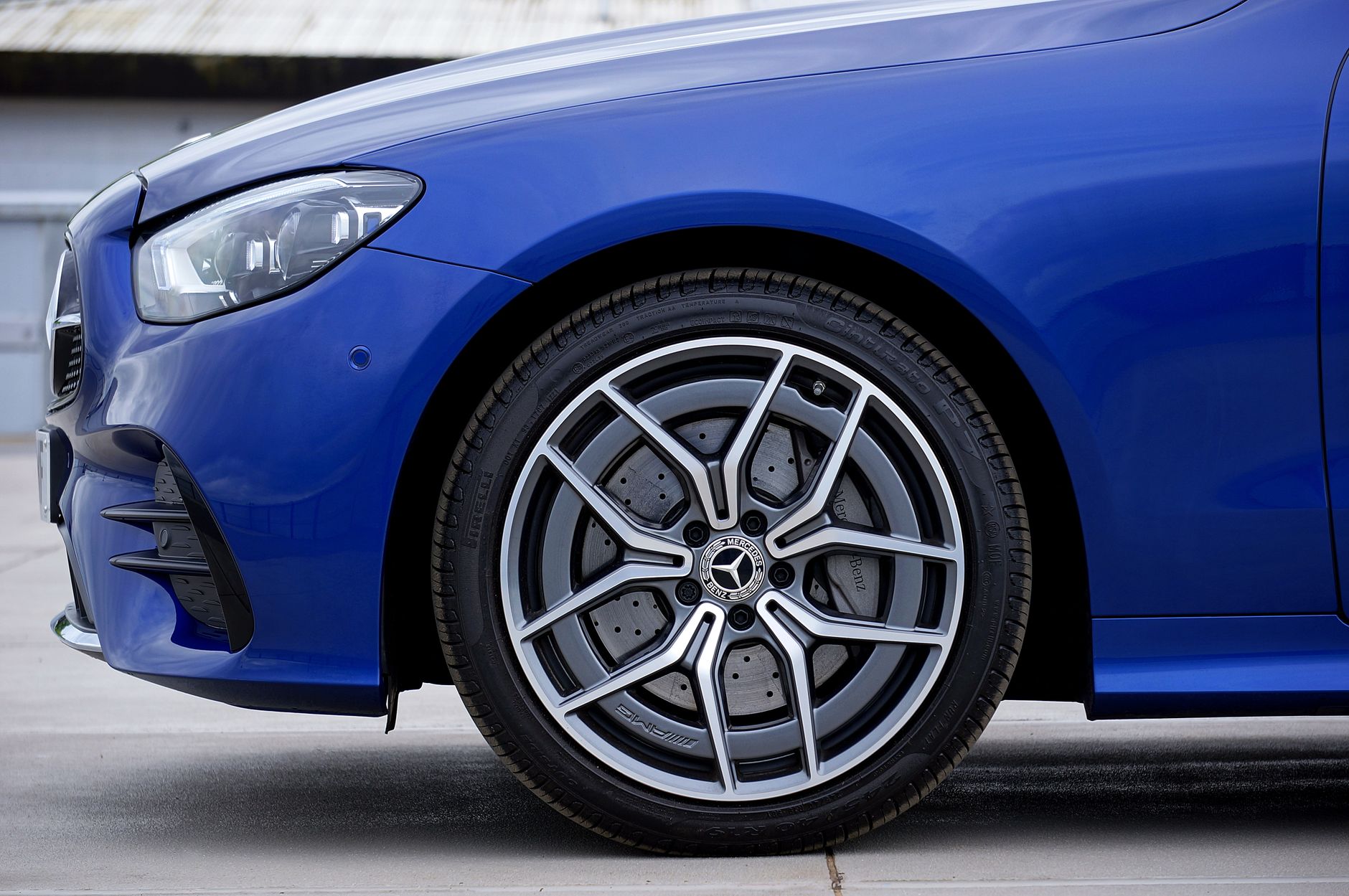
1 Piece Forged Wheels: The Complete Guide
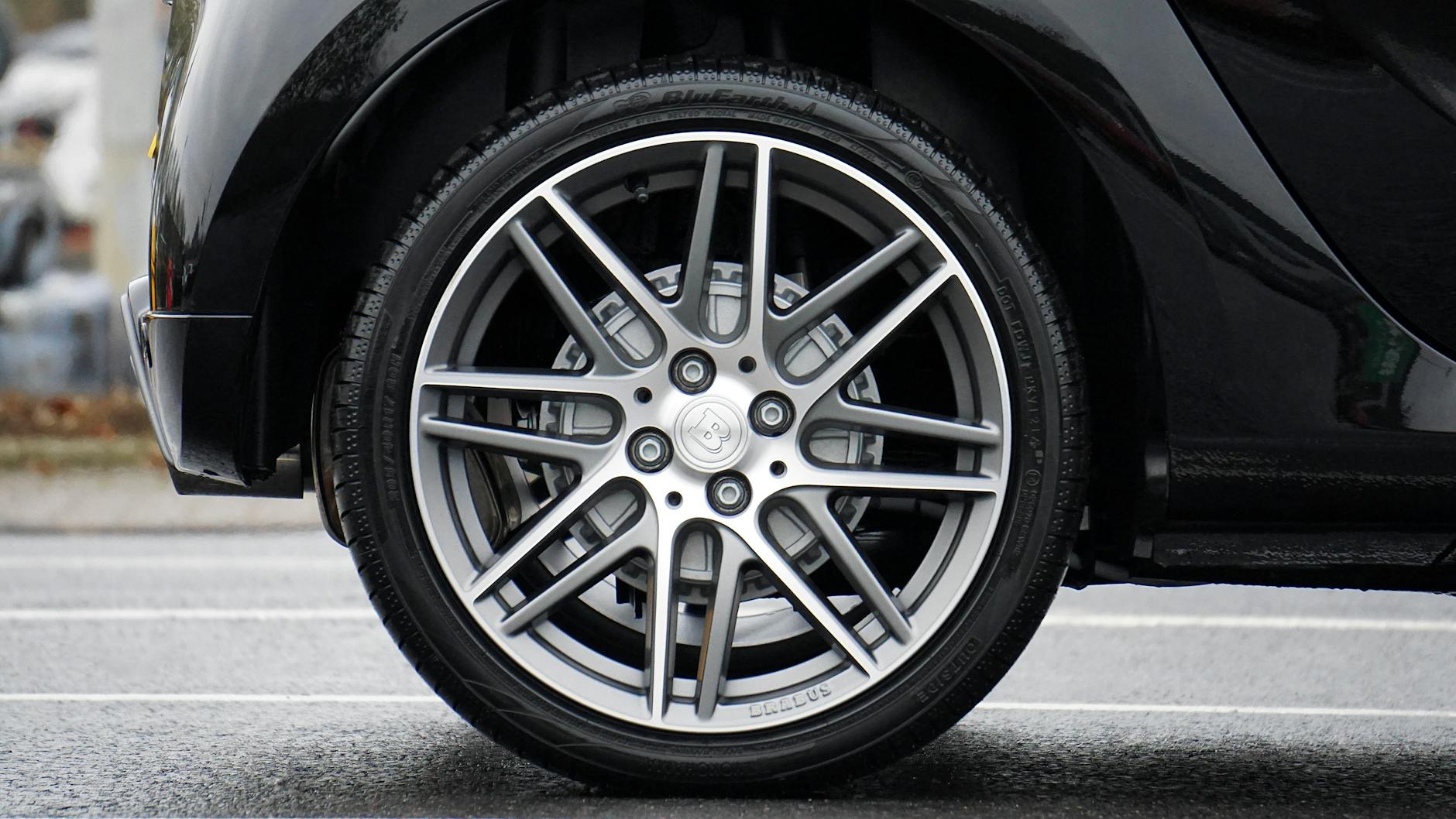
One-piece forged wheels sit at the center of almost every serious performance build — track cars, sport sedans, muscle cars, and high-end daily drivers alike. The reason isn't branding or aesthetics. It's physics. A wheel machined from a single forged aluminum billet is structurally superior to anything assembled from multiple components, and that difference shows up in lap times, handling feel, and long-term durability.
But the category has a pricing problem. Legacy brands charge $600–$1,200 per wheel for forged monoblock designs, which prices most enthusiasts out before they even start comparing specs. Understanding what you're actually paying for — and where the margins are buried — is the first step to making a smart decision.
What "1 Piece" Actually Means
A 1 piece forged wheel is machined from a single forged aluminum blank. The barrel, spokes, and lip are all one continuous structure. There are no bolts, no weld seams, no bonding agents, and no assembly tolerance stack-up. What comes off the CNC machine is the finished wheel.
This is distinct from 2-piece wheels (a forged center bolted or welded to a spun barrel) and 3-piece wheels (a forged center bolted between two barrel halves with a visible hardware ring). Both of those designs have legitimate uses, but a 1 piece forged wheel is inherently stiffer because there's no joint to flex or fatigue over time.
The term "monoblock" means exactly the same thing — single block, single structure. You'll see both terms used interchangeably across manufacturers. If a wheel is described as monoblock forged, it's a 1 piece forged wheel.
How the Forging Process Works
The manufacturing starts with a cast aluminum billet — typically a 6061-T6 or 7075 alloy. That billet gets heated and then pressed under 5,000–10,000 tons of force, which aligns the grain structure of the aluminum along the stress lines of the wheel. This is what separates forged from cast: a cast wheel has random grain structure because the metal was simply poured into a mold and cooled. A forged wheel has intentionally directed grain, which makes it significantly stronger at the same weight — or the same strength at significantly less weight.
After forging, the blank goes through multiple CNC machining passes to cut the spoke profiles, spoke pockets, bolt holes, valve stem hole, and any decorative details. The final step is surface finishing: paint, powder coat, brushed, polished, or a combination.
Flow forming — sometimes called flow forging or rotary forging — is a related but different process applied to the barrel section of a wheel that starts as a cast piece. It strengthens the barrel but the center section remains cast. That's worth understanding before assuming every wheel marketed as "forged" is truly a 1 piece forged wheel. See the breakdown in our guide to flow formed vs forged wheels for the full comparison.
Weight Advantages: Real Numbers
The weight reduction from switching to 1 piece forged wheels is one of the most tangible performance upgrades available. Because the grain structure is stronger, forged wheels can be machined thinner without sacrificing structural integrity. You're removing material from a stronger base, which is how you get a lighter finished product.
A typical 18×8.5 cast alloy wheel for something like an F30 335i weighs around 22–24 lbs. A comparable 1 piece forged wheel in the same size lands at 17–19 lbs. That's 5 lbs per corner — 20 lbs total from the car. And because wheels are unsprung rotating mass, the dynamic effect is multiplied. Reducing rotational inertia improves acceleration, braking, and steering response in ways that add fixed weight (like ballast) simply doesn't capture.
For a performance-oriented platform like a C7 Corvette or a Mustang GT on track days, this matters considerably. For an EV like a Model 3 where unsprung mass directly affects range and ride quality, it matters just as much.
1 Piece vs 2 Piece vs 3 Piece Forged: The Real Tradeoffs
This comparison comes up constantly, and the honest answer depends on what you're optimizing for.
1 piece forged is the lightest option at a given diameter and width, the stiffest, and the most structurally reliable long-term. The limitation is customization: the offset, width, and diameter are all fixed at manufacture. If you want a very aggressive fitment — like a +15mm offset on a wide-body build — you need the right blank available, or a manufacturer willing to forge to spec.
2 piece forged uses a forged center bolted or welded to a flow-formed or spun barrel. This allows more offset and width flexibility at lower cost than a full custom 1 piece, but adds weight at the joint and introduces a potential failure point over time, particularly on track cars with repeated thermal cycling.
3 piece forged is the classic choice for show cars and aggressive stance builds. The hardware ring allows precise width and offset dialing, and the lip can be polished separately. But three-piece wheels are heavier, require periodic hardware re-torquing, and aren't ideal for high-speed track use where the bolted joints can loosen under sustained load.
For most performance applications — canyon runs, track days, spirited street driving — 1 piece forged is the correct answer. The weight and stiffness advantages are real, the failure modes are essentially nonexistent compared to assembled designs, and the aesthetics are clean because there's no visible hardware ring.
For a deeper look at how forged construction stacks up against cast in general, the guide on cast vs forged wheels covers the material science in detail.
Fitment: Getting It Right on Real Platforms
One-piece forged wheels are only as good as their fitment. A beautiful forged wheel with wrong offset or wrong center bore is useless. Here's how this plays out on common platforms:
F30/F32 BMW (335i, 428i, M4 base): Factory fitment is typically 18×8.0 ET30 front, 18×8.5 ET33 rear on non-M models. Staggered 19×8.5/9.5 is the most popular upgrade, with ET25–35 range. Center bore is 66.6mm — hub-centric rings are mandatory on any wheel not drilled to that spec.
S550 Mustang GT/GT350: Factory runs 19×9.5 ET37 all around on GT. The GT350 uses 19×9.5/10.5 staggered. A common forged upgrade is 19×10 or 20×10 with ET40–45 to fill the fenders without a spacer. 5×114.3 bolt pattern, 70.5mm center bore.
C7 Corvette: Factory stagger is 19×8.5 front, 20×10 rear on the base car; the Z06 runs 19×10/20×12. Forged monoblock upgrades in those sizes drop meaningful weight versus GM's OEM cast pieces. Center bore is 70.3mm.
Model 3: Tesla's 18-inch aero wheels are relatively heavy cast units. A 1 piece forged upgrade in 18×8.5 or 19×8.5 with the correct 5×114.3/64.1mm spec saves real weight and improves range marginally while transforming the look entirely.
Toyota Tacoma (3rd gen): 6×139.7 bolt pattern, 106.1mm center bore. The Tacoma's unsprung mass from factory is high — heavy cast wheels make it worse. A forged 17×9 at ET-12 to ET0 works well for a mild lift setup without going full truck-specific design.
For truck-specific fitment, the custom forged wheels guide has more depth on lift heights and backspacing.
The Price Gap: Why 1 Piece Forged Wheels Cost What They Do
Legacy forged wheel brands — HRE, Vossen Forged, Brixton, BBS — charge $800–$2,000 per wheel. That's $3,200–$8,000 for a set before tires. The manufacturing cost doesn't fully explain the gap.
Forging a wheel blank costs roughly $80–$150 in raw aluminum and energy. The CNC machining, quality control, and finishing add more, but a properly manufactured 1 piece forged wheel can be produced for $200–$350 per wheel at volume. The rest is brand premium, distribution markup, and dealer margin.
OEM forging partners — the factories that actually manufacture wheels for BMW M, Porsche, and other automakers — operate at scale with the same or better precision equipment. Brands that work directly with those partners and skip the distribution layers can pass the savings to the customer. That's the model ForgedToFit operates on, which is why our forged wheels price out at 50–70% less than legacy aftermarket brands with the same manufacturing quality.
The forged wheels for sale guide walks through how to vet pricing and what questions to ask any supplier before committing.
What to Look For When Buying 1 Piece Forged Wheels
Not every wheel marketed as "forged" is a true 1 piece forged wheel. Here's how to verify:
Ask for the alloy spec. Legitimate forged wheels will tell you the alloy — 6061-T6 or 7075. Vague answers like "premium aluminum alloy" are a red flag.
Ask for the weight per wheel. A supplier confident in their product will give you exact weights per size. If they can't, the wheel hasn't been properly tested or they're hiding something.
Ask about load rating. JWL and VIA ratings are the minimum standard for the Japanese market and are widely used globally as a benchmark. TÜV certification (German) is the most stringent. A 1 piece forged wheel from a serious manufacturer will have at least one of these.
Look at the machining. On a properly CNC-machined forged wheel, spoke pockets should be clean and consistent, with no visible porosity, pitting, or rough finish. The hub face should be flat and precise — sloppy machining here causes vibration at speed.
Confirm the center bore. Hub-centric fit is non-negotiable for safety and vibration-free operation. If the bore isn't sized to your hub, get hub-centric rings. Don't run lug-centric on a daily driver.
For a broader look at the buying process, how to buy forged wheels online covers the common traps in detail.
Finishes and Customization
Because 1 piece forged wheels are machined to order, finish options are broad. The most common:
Gloss or satin black powder coat is the most durable and lowest-maintenance option. It hides brake dust well and survives road salt reasonably.
Brushed aluminum with clear coat shows off the machining quality and gives a high-end look, but requires more care around curbs and chemicals.
Two-tone machined face + painted barrel (e.g., a dark bronze barrel with a bright machined face) is the current popular look for sport sedans and muscle cars — it highlights the spoke depth without going full polished.
Custom RAL or Pantone color is possible with powder coat, which is relevant if you're color-matching to a specific exterior or brake caliper color.
Spoke design is the other major variable. Deep concave profiles look aggressive and work well on wide-body or staggered setups. Flat-face designs give a cleaner, more restrained look. See the concave wheels guide for a full breakdown of how concavity affects fitment and aesthetics.
Performance Applications: Track vs Street
For track use, 1 piece forged wheels are the only sensible choice. The structural integrity under sustained high-speed cornering loads, repeated hard braking, and thermal cycling from large rotors is simply better than any assembled design. Most serious track programs — from NASA TT to Porsche Club racing — see multi-piece wheels disassemble hardware over long sessions.
For street use, the practical benefits are more about feel and longevity. Lighter wheels sharpen steering response noticeably on a sport sedan or performance coupe. On an EV, the weight reduction at the corners also matters for ride quality — the suspension doesn't have to manage as much unsprung mass, so damper tuning becomes more effective.
The one application where 1 piece forged wheels require some thought is very aggressive fitment on lowered cars. Extremely low offsets on a monoblock design can create clearance issues that are harder to resolve than on a 3-piece (where you can adjust barrel width). On a widebody build needing a +5mm to +12mm offset in 10-inch width, make sure the forging blank your supplier uses actually covers that spec before ordering.
Warranty and Long-Term Value
A quality 1 piece forged wheel should come with a structural warranty of at least 3 years. ForgedToFit backs ours with a 5-year warranty — which is meaningful for a product built to OEM tolerances. Cast wheels from budget brands often carry 1-year or no structural warranty at all.
The resale value of forged wheels is also meaningfully better than cast. A set of quality 1 piece forged wheels in a popular fitment will hold 50–70% of purchase price on the secondary market. Cast alloys from budget brands are nearly worthless at resale.
Long-term, the math is straightforward: a 1 piece forged wheel costs more upfront but lasts longer, performs better, and retains value. For a car you're keeping and building seriously, the per-year cost often works out cheaper than replacing budget cast wheels every few years.
Frequently asked questions
What is the difference between a 1 piece forged wheel and a 2 piece forged wheel?
A 1 piece forged wheel (also called a monoblock) is machined from a single forged aluminum billet — the barrel, spokes, and lip are one continuous structure. A 2 piece forged wheel has a forged center bolted or welded to a separate barrel section. The 1 piece design is lighter, stiffer, and has no joint that can loosen or fatigue over time, which makes it the better choice for performance and track use.
Are 1 piece forged wheels stronger than cast wheels?
Yes, significantly. The forging process aligns the aluminum's grain structure along the stress lines of the wheel, which increases strength-to-weight ratio compared to cast wheels where the grain is random. A 1 piece forged wheel can be machined thinner — and therefore lighter — while maintaining greater structural integrity than a cast wheel of the same size.
How much lighter are 1 piece forged wheels compared to cast?
Typically 3–6 lbs per wheel, depending on size. An 18×8.5 cast alloy wheel often weighs 22–24 lbs; a comparable 1 piece forged wheel lands at 17–19 lbs. Across all four corners, that's 12–20 lbs of unsprung rotating mass removed, which has a disproportionate effect on handling, acceleration, and braking response.
Why do legacy forged wheel brands charge so much, and is the price justified?
Legacy brands charge $800–$2,000 per wheel, but the raw manufacturing cost of a 1 piece forged wheel — billet, forging press time, CNC machining, finishing — doesn't come close to justifying that. The premium is mostly brand equity, distributor margins, and dealer markup. OEM forging partners that produce wheels for BMW M and Porsche operate at the same quality level; working directly with them cuts the cost by 50–70% without compromising the product.
Can 1 piece forged wheels be made in custom offsets and widths?
Yes, within the range supported by the forging blank. Because the wheel is machined to order, offset, width, and bolt pattern can be specified to match your exact fitment. The only constraint is that the forging blank must be large enough in diameter and width to allow the desired final dimensions — most serious forged wheel manufacturers maintain a range of blank sizes that covers the vast majority of passenger car and light truck fitments.
What alloy are 1 piece forged wheels made from?
The two most common alloys are 6061-T6 and 7075 aluminum. 6061-T6 is the industry standard — excellent strength, good corrosion resistance, and well-suited to heat treatment after forging. 7075 is stronger and used for motorsport applications where maximum weight reduction is critical, but it's harder to machine and more expensive. Always ask a supplier to specify the alloy; vague answers are a red flag.