Aftermarket Wheels and Tires: The Complete Setup Guide
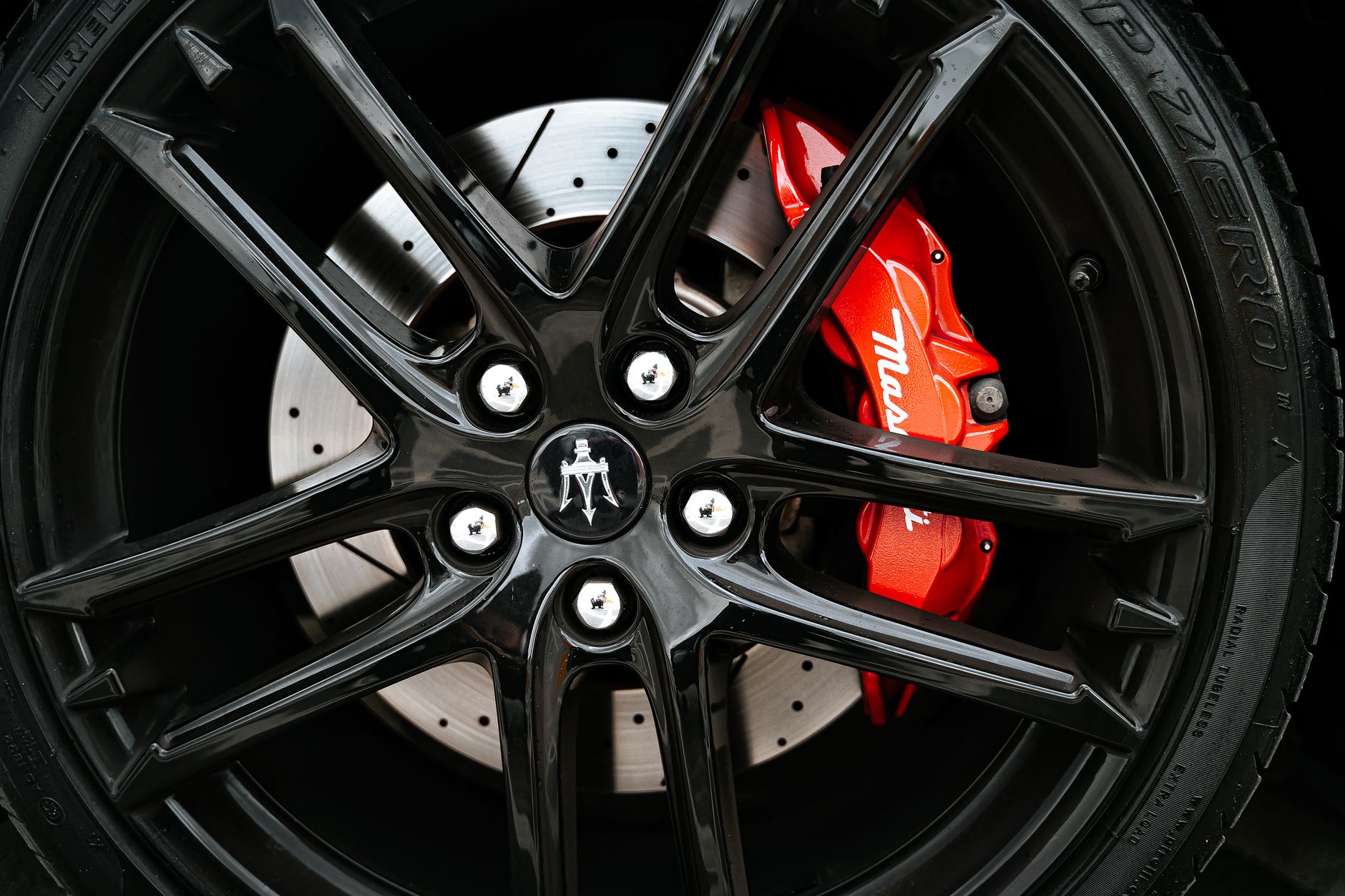
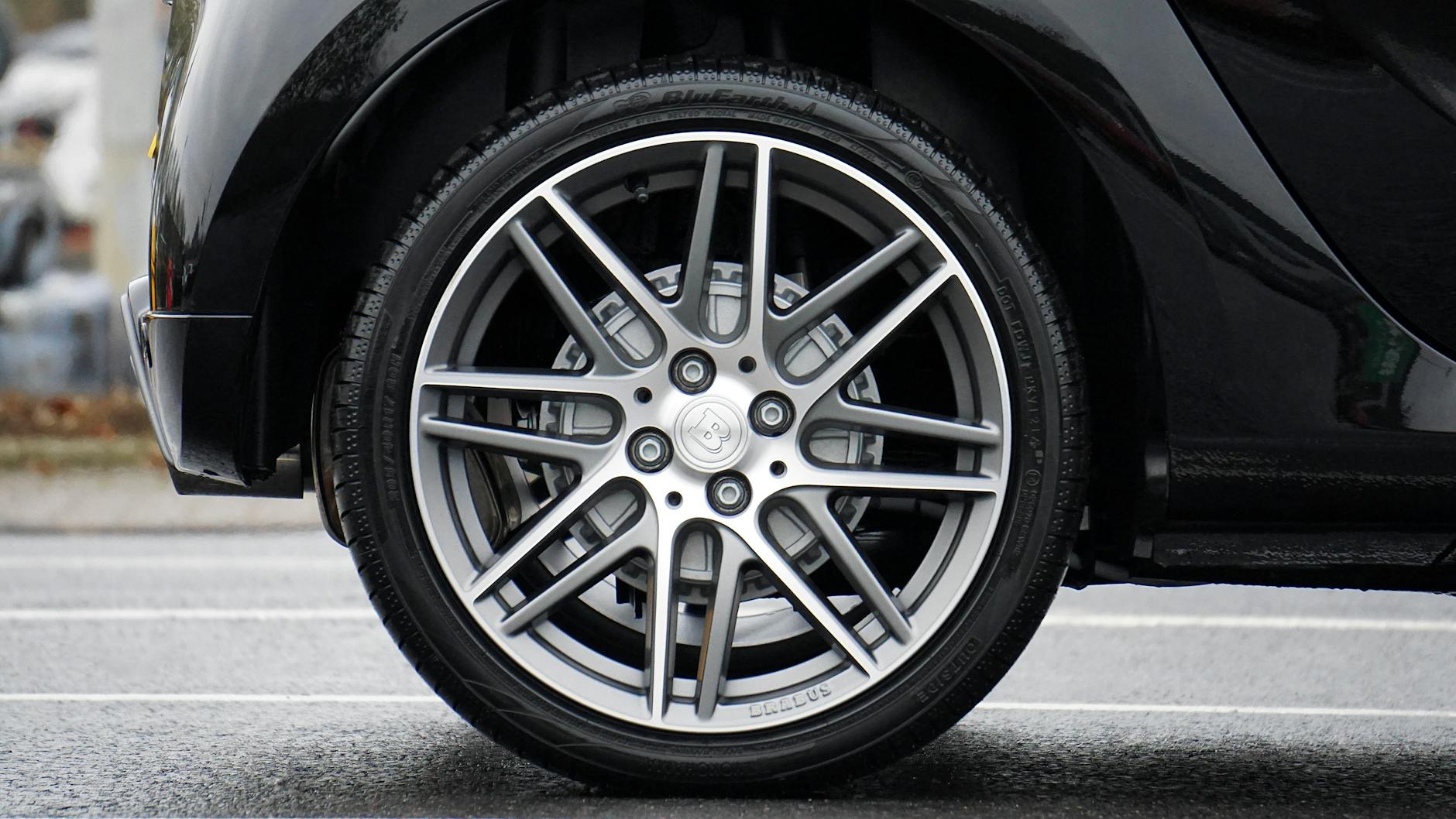
Swapping your stock wheels and tires is one of those modifications that changes everything at once — how the car looks, how it handles, how it feels through the steering wheel on a canyon road. Done right, it's transformative. Done wrong, you're rubbing fenders, wearing tires unevenly, and wondering why the ride quality went to hell. The goal of this guide is to give you a clear, practical framework so you end up in the first camp, not the second.
Why Aftermarket Wheels and Tires Are Worth the Investment
Factory wheel-and-tire packages are compromises. Engineers balance cost, NVH (noise, vibration, harshness), warranty exposure, and the fact that the car has to appeal to the broadest possible buyer pool. A BMW F30 335i comes with 225/45R18 all-season tires on basic 18-inch styling wheels. They're fine. They're also about as exciting as printer paper.
An aftermarket setup lets you optimize for your actual use case — aggressive summer tires on lightweight forged wheels for track days, a staggered fitment for the Mustang GT that fills the arches properly, or a flush fitment on a Model 3 that actually looks intentional. You're also adding real performance value: a quality aftermarket wheel can shed 4–8 lbs per corner versus a stock cast unit, which reduces unsprung and rotational mass simultaneously. That's the kind of change you feel in steering response and turn-in sharpness, not just something you measure on a scale.
The tire choice compounds the effect. Moving from a 55-series all-season to a 40-series summer performance tire on the same rim diameter drops the sidewall height dramatically, sharpens steering precision, and — if you pick the right rubber — can cut 20–30 feet off a 60-0 stopping distance compared to budget all-seasons.
Understanding Wheel Construction Before You Buy
Not all aftermarket wheels are built the same, and the construction method has a direct impact on weight, strength, and price. The three main categories are cast, flow-formed, and forged.
Cast wheels are made by pouring molten aluminum into a mold. They're cheap to produce and widely available, but the grain structure of cast aluminum is relatively porous and weak, which means manufacturers have to add material (read: weight) to hit structural targets. A cast 18×8.5 wheel might weigh 24–26 lbs. That's heavy.
Flow-formed wheels — sometimes called flow-forged or spun-formed — start as a cast center but then the barrel is rolled under high pressure and heat, which compresses and aligns the aluminum grain structure. The result is a barrel section nearly as strong as forged, at a significantly lower weight (often 18–21 lbs in that same 18×8.5 size), and at a price point well below fully forged. For most street and track enthusiasts, flow-formed hits the sweet spot. Our full breakdown on flow formed vs forged wheels covers the tradeoffs in detail.
Forged wheels are machined from a single billet of aluminum that's been compressed under thousands of tons of force. The grain structure is dense and consistent throughout. You get the lightest possible wheel for a given design, the highest structural integrity, and full customization in sizing, offset, and finish. A high-quality forged 19×9.5 can come in under 18 lbs. The traditional drawback has been price — legacy forged brands charge $600–$1,200 per wheel, sometimes more. Working directly with an OEM forging facility (the same factories that supply major automotive brands) cuts that price by 50–70%, which is the entire premise of what we do at ForgedToFit.
If you want the deeper technical comparison, forged vs cast wheels is worth reading before you commit to a direction.
Sizing: The Numbers That Actually Matter
Wheel sizing has four variables that directly affect fitment: diameter, width, offset, and bolt pattern. Get all four right and everything works. Miss one and you're dealing with rubbing, incorrect speedometer readings, or clearance issues with brakes and suspension.
Diameter
Going up in diameter (plus-sizing) is common when upgrading aftermarket wheels and tires because it allows for larger brake caliper clearance, better visual proportions, and wider tire contact patches. The standard approach is to keep the overall tire diameter within about 3% of stock to maintain accurate speedometer readings and avoid ABS calibration issues.
For example, if your F30 335i runs 225/45R18 stock (overall diameter ~25.9 inches), moving to a 19-inch wheel means dropping to a 35-series or 40-series tire to keep that diameter in range. A 225/40R19 measures ~25.9 inches — nearly identical. A 255/35R19 on the rear for a staggered setup measures ~25.7 inches, which is within acceptable tolerance.
Width and Offset
This is where most fitment mistakes happen. Width and offset work together — you can run a wider wheel if the offset keeps the tire tucked appropriately, or you can run the same width with a lower offset to push the wheel face outward for a more aggressive stance.
Offset is the distance (in mm) from the wheel's centerline to its mounting face. Higher positive offset pushes the wheel inward toward the suspension. Lower or negative offset pushes it outward. Most modern front-wheel-drive and AWD cars run high positive offsets (ET35–ET50). Rear-wheel-drive platforms tend to run lower offsets (ET20–ET35 on the rear).
A Mustang GT on 19×10 front / 19×11 rear with an ET40 front / ET52 rear fitment will look completely different than the same size wheel at ET20 front / ET30 rear. The latter will sit nearly flush with the fender — some will love it, some won't clear the suspension under compression. Know your clearances before you finalize specs.
For a practical walkthrough of building a complete setup including offset selection, custom rims and tires: how to build the right setup is a solid starting point.
Bolt Pattern and Hub Bore
Bolt pattern has to match your hub exactly — there's no workaround. Common patterns include 5×112 (Audi, Mercedes, newer VW), 5×114.3 (Ford, Nissan, many JDM platforms), and 5×120 (BMW, some GM). The hub bore matters too: if the wheel's center bore is larger than your hub, you need hub-centric rings to prevent vibration at speed. If it's smaller, the wheel won't mount at all.
Choosing Tires to Match Your Wheel Setup
The wheel is the skeleton; the tire is what actually touches the road. Picking the wrong tire for the application — or mismatching the width to the wheel — undermines everything you spent on the wheels.
Tire Width and Wheel Width
There's a recommended rim width range for every tire. Running a 265mm tire on a 9-inch rim stretches the tire slightly, which some people prefer for aesthetics and turn-in snap. Running that same 265 on a 10.5-inch rim squares off the contact patch, which improves straight-line grip and braking. Neither is wrong — they're different setups with different tradeoffs. Most manufacturers publish a recommended rim width alongside a compatible range, and staying within it is the safe play unless you know exactly what you're optimizing for.
Summer vs. All-Season vs. Track
Summer performance tires (Michelin Pilot Sport 4S, Continental ExtremeContact Sport 02, Bridgestone Potenza S007) are the right choice if you drive in a climate where temperatures stay above 45°F for most of the year. Below that threshold, the compound stiffens and grip drops significantly — you'd be safer on an all-season. If you genuinely need year-round capability, a quality all-season like the Michelin CrossClimate 2 gives up maybe 10–15% peak grip versus a summer tire but stays competent in cold and light snow.
For dedicated track use, semi-slick tires like the Michelin Pilot Sport Cup 2 or Yokohama Advan A052 operate in a different world entirely — phenomenal grip, very short street life (10,000–15,000 miles if you're lucky), and they need heat to work properly.
Load and Speed Ratings
Don't ignore these. A tire's load index must meet or exceed the per-axle weight of your vehicle. Speed rating should meet or exceed your intended use — most performance tires carry a W (168 mph) or Y (186 mph) rating, which is fine for anything street-legal. Drop below a V rating (149 mph) on a performance car and you may void your tire warranty under spirited use.
Staggered vs. Square Fitments
A staggered setup runs wider tires on the rear than the front — common on rear-wheel-drive performance cars. A Porsche 911 from the factory runs 245/35R20 front and 305/30R20 rear for a reason: the rear needs more contact patch to put power down, and the front needs less rotating mass for quick turn-in.
The trade-off is that staggered setups can't be rotated front-to-rear, so rear tires wear faster and cost more to replace. If you track your car hard, a square setup (same size all around) is often smarter — you can rotate tires every 5,000 miles and extend the life significantly.
For a Model 3 Performance, which is AWD, a square setup makes more sense than staggered. The car distributes torque across all four wheels, so the rear isn't being hammered the same way a 500hp RWD car would be.
Wheel Finish and Durability
The finish affects maintenance requirements and longevity as much as aesthetics. Machined faces with clear coat look sharp but are the most prone to corrosion if the clear coat chips — especially in states that use road salt. Powder-coated finishes are tougher and easier to repair. Painted finishes fall in between.
If you live in a region with harsh winters, either swap to a dedicated winter wheel-and-tire set (the smartest move, and cheaper long-term than destroying expensive summer setups) or choose a finish with solid corrosion resistance and be diligent about cleaning.
Custom finishes — two-tone, custom colors, brushed and anodized faces — are available on forged wheels because the machining is done after forging, giving you much more design latitude than a cast wheel that comes out of a fixed mold. You can also upload your own design and have it engineered into a manufacturable wheel.
The Forged Wheel Price Equation
The reputation that forged wheels are only for exotic car owners is outdated. The price gap between cast and forged has narrowed significantly for buyers who know where to look. Legacy forged brands carry significant marketing overhead — dealer margins, brand licensing, ambassador sponsorships. When you cut that out and order direct from an OEM forging facility, the math changes completely.
A quality forged 19-inch wheel from a legacy brand runs $800–$1,200 per corner. A comparable wheel through ForgedToFit — same alloy, same forging process, with a 5-year warranty — lands at $300–$500 per corner depending on design complexity and finish. For a full set of four, that's a $2,000–$3,500 difference. That buys a lot of tires.
The process is straightforward: choose a design from the catalog or submit your own, we quote the fitment-specific specs (diameter, width, offset, bolt pattern, hub bore), produce a 3D CAD model for your approval, and then manufacture and ship direct. Lead time is typically 8–12 weeks from order confirmation, which is standard for made-to-order forged wheels regardless of the brand.
Putting the Package Together
The best aftermarket wheels and tires setups start with a clear picture of what you want to optimize. Write it down: performance on track, daily driver comfort, flush aggressive stance for car shows, all-weather capability. That single answer drives every subsequent decision — wheel construction, diameter, width, offset, tire compound, and sidewall profile.
For platforms with established enthusiast communities — F30/F32 BMWs, S550/S650 Mustangs, C7/C8 Corvettes, Model 3/Y — there's a wealth of real-world fitment data online. Use it. Someone has already run your preferred size on your suspension setup and documented whether it clears or rubs. Starting from that baseline and adjusting for your specific goals is faster and less expensive than trial and error.
If you're building a custom setup on a less common platform or with aggressive sizing, getting a fitment consultation before you order wheels — not after — is the move. A couple of measurements and some photos can prevent an expensive mistake.
The difference between a wheel-and-tire setup that looks and performs exactly as intended and one that's a constant source of frustration is almost always the upfront homework. Do it once, do it right, and the result is a car that feels like it was designed to wear those wheels from the factory.
Frequently asked questions
How do I know what size aftermarket wheels and tires will fit my car?
Start with your factory wheel specs — diameter, width, offset, bolt pattern, and hub bore — and use those as a baseline. Tools like Wheel Offset Calculator and platform-specific fitment threads on forums give you real-world data on what fits with and without modifications. For anything more than one inch larger in diameter or significantly different in offset, confirm brake caliper clearance and suspension travel before ordering.
Do I need to retorque my wheels after installing new aftermarket wheels?
Yes. After driving approximately 50–100 miles on new wheels, you should re-torque the lug nuts to the manufacturer's specification with a calibrated torque wrench. Aftermarket wheels can seat slightly as the contact surfaces settle, and loose lug nuts are a serious safety issue. Always use a torque wrench — not an impact gun — for final tightening.
Can I run aftermarket wheels on a leased car?
Technically yes, as long as you reinstall the stock wheels before returning the vehicle. Keep your stock wheels and store them properly. Some lessees keep a second set of TPMS sensors programmed to the car to avoid warning lights when swapping sets seasonally.
Will aftermarket wheels affect my TPMS (tire pressure monitoring system)?
If you're running new wheels, you'll need TPMS sensors installed in them. You can transfer your existing sensors if they're in good condition, or buy new aftermarket sensors (brands like Autel and VDO make universal units that work with most systems). A dealer or tire shop can program them to your car's system. Skipping this triggers a TPMS warning light and means you lose low-pressure alerts — not a compromise worth making.
Are forged aftermarket wheels worth the extra cost over cast?
For most enthusiasts who care about both performance and appearance, yes — especially now that forged prices have dropped significantly through direct-to-consumer manufacturers. The weight savings (4–8 lbs per corner over comparable cast wheels) translate to real handling improvements, and the structural integrity means forged wheels are more likely to bend than crack in an impact, making them repairable in many cases where cast wheels would be destroyed.
How long does it take to get custom forged aftermarket wheels made?
Made-to-order forged wheels typically take 8–12 weeks from order confirmation to delivery. That includes the CAD design approval stage, raw forging, CNC machining, finishing, quality inspection, and shipping. Rush timelines are occasionally available but usually come with a premium. Plan ahead, especially if you're targeting a specific event or season.