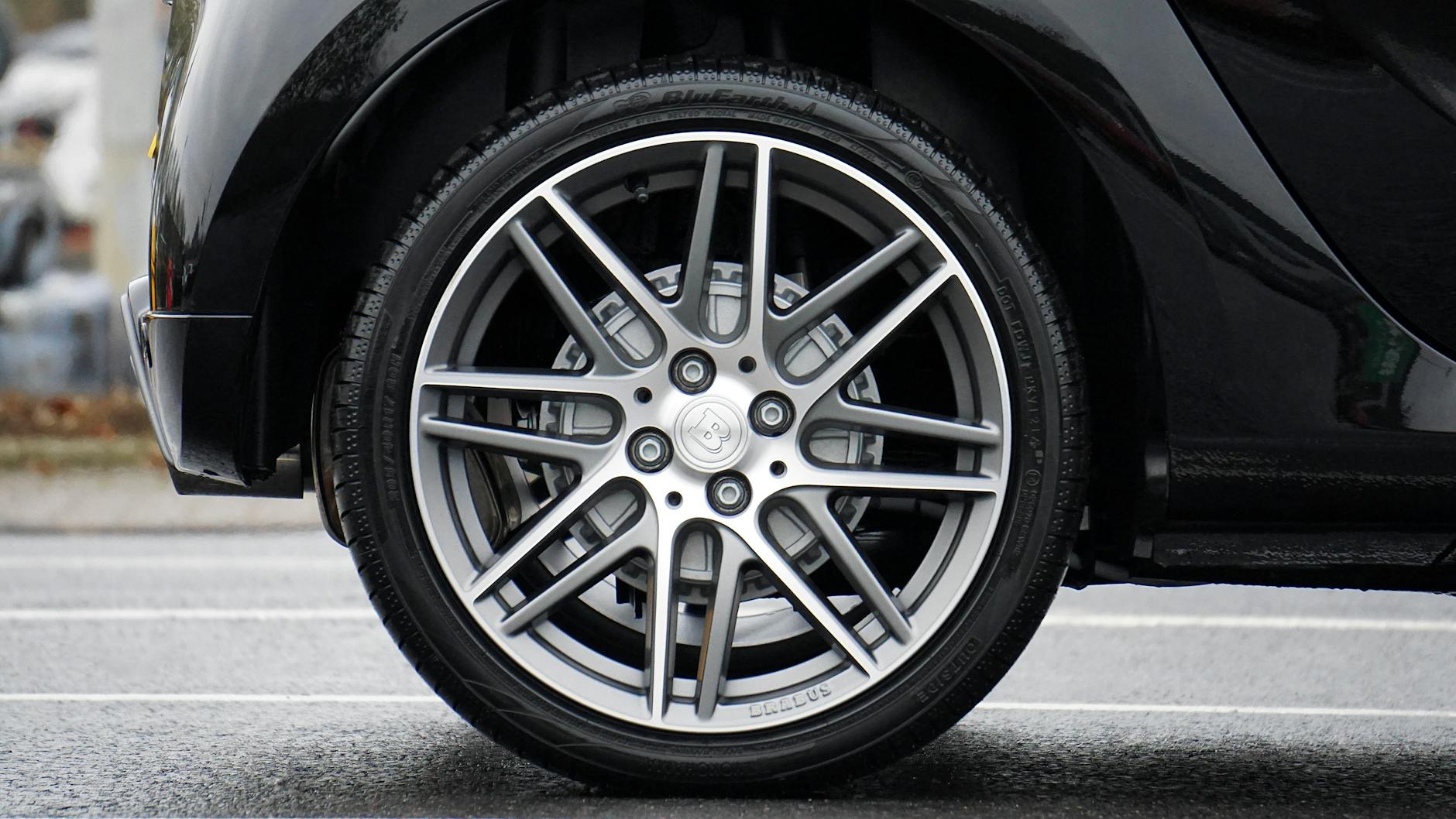
Toyota Tacoma Aftermarket Wheels: The Complete Guide
The Toyota Tacoma is one of those trucks that people actually build. Not just lift and call it done — owners obsess over every detail, and wheels are usually where that obsession starts. Whether you're running a daily-driven 3rd-gen DCSB or a dedicated overland rig on 37s, the wheel decision affects fitment, weight, clearance, and how the whole truck looks parked or moving. Getting it wrong is expensive. Getting it right changes the truck.
This guide covers everything that matters: OEM specs, aftermarket sizing, offset mechanics specific to the Tacoma's suspension geometry, construction quality, and how to order a set that actually fits without rubbing or a spacer stack.
Stock Wheel Specs by Generation
Knowing what Toyota put on the truck tells you where you're starting from.
3rd Gen (2016–present): Most trims ship with 17×7.0 or 18×7.5 wheels depending on the package. The TRD Off-Road and TRD Sport get 17-inch alloys; the Limited gets 18s. Offset across trims runs +30mm to +35mm. Bolt pattern is 6×139.7 (6×5.5 in inches), which is the same pattern Toyota has used on the Tacoma, Tundra, 4Runner, and FJ Cruiser for decades — a significant advantage when shopping wheels.
2nd Gen (2005–2015): Factory wheels were 15- or 16-inch depending on trim, upgrading to 17s on sport packages. Offset hovered around +30mm. Same 6×139.7 bolt pattern.
1st Gen (1995–2004): Smaller trucks, 15-inch stock, some 6-lug and some 5-lug depending on year and configuration. Worth verifying before ordering.
For most people reading this, the 3rd gen is the focus — it's the current truck, it's what most of the aftermarket is designed around, and it's where fitment gets interesting.
Tacoma Wheel Sizing: What Actually Fits
Diameter
The two most common aftermarket diameters are 17 and 18 inches. Seventeen is the sweet spot for anyone who wants to run taller tires — a 17-inch wheel paired with a 285/70R17 (roughly 32.7 inches tall) is an extremely common setup on lifted Tacomas. Go up to 18 and you're generally looking at lower-profile tires, which works fine for a street-focused build but limits your off-road tire options.
Some people run 16-inch wheels specifically to run tall, beefy tires with high sidewalls — great for off-road compliance, but the selection of quality 16-inch forged wheels is much more limited.
Oversize builds going to 35s or 37s typically stick with 17-inch wheels paired with a 3-inch lift minimum, sometimes more depending on the tire width and offset choice.
Width
Stock is 7.0–7.5 inches. Most Tacoma owners move to 8 or 9 inches for a more aggressive stance and to properly fill the wheel wells, especially after a lift. A 9-inch wide wheel with a 285/70R17 or 275/70R17 looks proportionally right and fills the arch well.
Going to 10 inches wide requires more careful offset management and possibly trimming the inner fender liner. Not a deal-breaker, but it's extra work.
Offset
This is where most Tacoma owners get confused, and it's where mistakes happen.
Offset is the distance between the wheel's mounting face and its centerline. Positive offset pushes the wheel inward (tucked); negative offset pushes it outward (poked). The 3rd gen Tacoma's factory +30mm to +35mm offset means the wheel sits fairly far inward.
Most aftermarket builds for a lifted Tacoma target +0mm to +15mm offset. This pushes the wheel outward, filling the arch and giving that wide, planted look. Going more negative than -12mm or so starts to stress the wheel bearings over time and can cause the outer edge of a wide tire to contact the fender.
A practical example: a 17×9 wheel at +0mm offset with a 285/70R17 tire on a 3-inch lifted 3rd gen Tacoma — with possibly minor trimming of the inner liner — is a very common, clean setup. That combination gives roughly 0.5–1 inch of poke beyond the fender line, which looks aggressive without looking sloppy.
If you're running stock ride height, stay closer to +15mm to +25mm to avoid rubbing the fender on full droop and lock.
Bolt Pattern and Hub Details
The 6×139.7mm bolt pattern is universal across the Tacoma lineup and shared with the 4Runner (all gens), FJ Cruiser, Tundra (2006 and earlier on the front), and even some older Nissan Pathfinders. This makes wheel sourcing significantly easier — there's massive selection.
Center bore is 106.1mm on 3rd gen Tacomas. Most quality aftermarket wheels are machined to this diameter or include hub-centric rings. Always confirm your wheels are hub-centric or use rings — a lug-centric fit on a truck this heavy causes vibration at speed.
Lug nuts are 12×1.5mm thread pitch. If you're going to a wheel with a different seat angle (conical vs. ball seat), you'll need matching lug nuts. Don't reuse OEM Toyota lug nuts on a conical-seat aftermarket wheel — the contact patch is wrong and the nuts can back off.
Cast vs. Forged: Why It Matters More on a Truck
On a performance car, the argument for forged wheels is mostly about rotational mass and handling response. On a Tacoma, the argument is more practical: durability.
Trucks take abuse. Trail hits, rock ledges, pothole strikes at speed with a loaded bed — these impacts stress wheels in ways a Porsche never sees. Cast wheels, which are poured aluminum, have a grain structure that's omnidirectional and relatively porous. Under a sharp impact, they crack. Forged wheels are pressed under thousands of tons of force, aligning the grain structure and producing a denser, stronger piece that flexes rather than fractures.
Flow-formed wheels are a middle ground — a cast center with a barrel that's spun and stretched under heat, which strengthens the barrel specifically. For most Tacoma owners who aren't rock crawling, a quality flow-formed wheel is an excellent value. For serious off-road use, true forged is the better call.
The weight difference is real too. A quality forged 17×9 Tacoma wheel might weigh 20–22 lbs. A comparable cast wheel typically comes in at 25–28 lbs. Over four wheels, that's 12–24 lbs of unsprung, rotational weight removed. The truck accelerates, brakes, and steers noticeably better.
For a deeper look at how the manufacturing processes compare, the breakdown in cast vs forged wheels: what actually matters is worth reading before you commit.
Finish Options for the Tacoma
The Tacoma's aesthetic tends toward functional and aggressive rather than flashy — which is reflected in what sells.
Matte black / satin black is by far the most popular finish. It disappears into a build, doesn't show trail dust badly, and looks good on everything from white to army green trucks.
Gunmetal / dark bronze has become popular on overland-style Tacomas, particularly the Trail or TRD Pro trim that comes in Lunar Rock or Cement. The earth-tone wheel color complements that palette well.
Machined face with dark window: a spoke face machined to bare aluminum contrast against a dark barrel or spoke pocket. Works well for builds that want some visual interest without chrome.
Gloss black looks sharp but shows every dust particle and water spot on the trail. Fine for a daily driver or show truck; impractical for actual off-road use.
Avoid chrome on anything you're taking off-road. Chrome plating is hard but brittle; rock chips turn into rust starting points fast, and the finish doesn't recover.
Popular Styles for the Tacoma
The Tacoma wheel market has gravitated hard toward a few specific design categories.
Six-spoke and multi-spoke open designs are the most common — they're easy to clean, look proportionally right on a truck, and shed mud from the back side. Beadlock-style wheels with an outer ring are popular on off-road builds even when they're not true beadlocks (cosmetic beadlock rings are street-legal everywhere; functional beadlocks have DOT complications in some states).
Mesh and split-spoke designs work well on street-biased Tacomas. They look clean and modern without being overwrought.
Deep dish or high-negative-offset designs are less common on Tacomas than on lowered cars, but they do show up on slammed Tacoma builds. The market is smaller but it exists.
For anyone considering custom truck rims and how to match design to platform, custom truck rims: how to choose and order right covers that decision well.
Lifted Tacoma Fitment Guide
Here are real, proven fitment combinations for lifted 3rd gen Tacomas:
2–2.5 inch lift:
- 17×8, +0mm to +15mm offset
- 265/70R17 or 275/70R17
- Minor inner liner trimming may be needed at full lock
3 inch lift:
- 17×9, +0mm offset
- 285/70R17
- Typically clears with a UCA (upper control arm) upgrade; stock UCA can cause rubbing at full droop
4–6 inch lift:
- 17×9 or 17×8.5, -12mm to +0mm
- 295/70R17 or 285/75R17 (33 inches+)
- Requires UCA, possibly diff drop or SAS depending on tire width
If you're pushing 35s or 37s, you're into serious suspension modification territory and wheel offset becomes one variable among many. At that point, it's worth talking to someone who can spec the full setup — wheel, tire, lift, and suspension — as a system.
What Do Tacoma Aftermarket Wheels Cost?
The honest range: $150–$300 per wheel for cast aftermarket wheels from mainstream brands. $350–$600 per wheel for flow-formed wheels from quality manufacturers. $800–$2,000+ per wheel for legacy forged brands like Vossen, BBS, or Forgeline.
The pricing spread between cast and true forged has historically been brutal — which is exactly the gap that a direct-to-consumer forging model addresses. By working with an OEM-level forging facility and cutting out the brand markup, it's possible to get a legitimately forged or flow-formed Tacoma wheel at a price that used to only buy cast.
For a broader breakdown of how wheel pricing actually breaks down across construction types, aftermarket truck wheels: the complete buying guide goes into the cost structures in detail.
How to Order Custom Tacoma Wheels
Ordering custom wheels for the Tacoma is more straightforward than most people expect, provided you go in with the right information.
You'll need: wheel diameter, width, bolt pattern (6×139.7), center bore (106.1mm), offset target, and finish. If you've already chosen your tire size and lift level, the offset becomes much easier to nail down — the tire width combined with the wheel width and offset determines how far the tire face sits relative to the fender.
A good supplier will ask about your lift, tire size, and intended use before confirming an offset recommendation. If they don't ask, that's a red flag.
Custom forged Tacoma wheels — meaning you pick the design, dimensions, finish, and have them manufactured to spec — are increasingly accessible. The process typically involves a design consultation, a 3D CAD rendering for approval, then production and direct shipping. Lead times run 6–10 weeks for a true forged set, which is worth planning around.
For anyone who wants to understand the custom ordering process end to end, custom forged wheels: the complete guide covers exactly how that works.
Running Forged Wheels Off-Road: Practical Considerations
Forged wheels are stronger than cast, but they're not indestructible. A few things worth knowing before you head for the rocks:
Tire pressure management matters more with a lighter wheel. Running 10–15 PSI on a trail with forged wheels is fine structurally, but the tire-sidewall combination is doing the protection work, not a heavy cast rim. Run a proper off-road tire — not a street all-season — if you're going to air down seriously.
Finish durability depends on the coating. Powder coat is more chip-resistant than paint; anodized finishes are hardest but limit color options. For trail use, request a powder coat finish rated for impact and UV.
Beadlocks, if you're running true functional ones, are a different conversation — they require a specific wheel design, and most are not DOT-approved for highway use. Cosmetic beadlock rings bolted to a standard forged wheel are a legal and popular middle ground.
Also worth reading if you're putting together the full wheel and tire package: aftermarket wheels and tires: the complete setup guide covers how to match construction, size, and compound to the use case.
A Note on Wheel Weight and the Tacoma
The Tacoma is not a light truck. A 4WD Double Cab 3rd gen weighs around 4,400 lbs. Unsprung weight reduction has a smaller proportional effect here than it would on a 2,800-lb sports car — but it still matters.
Four wheels at 22 lbs each versus 28 lbs each is 24 lbs total removed from the unsprung rotating mass. That's meaningful at the axle ends where every pound costs more dynamically than it would sitting in the bed. On a truck you actually drive hard — daily commutes, highway miles, loaded with gear — lighter forged wheels reduce fatigue on wheel bearings, hubs, and suspension bushings over time. It's a cumulative benefit that doesn't show up in a test drive but shows up at 100,000 miles.
Frequently asked questions
What bolt pattern is the Toyota Tacoma?
All 3rd gen (2016–present) and most 2nd gen Tacomas use a 6×139.7mm bolt pattern, which is the same as the 4Runner, FJ Cruiser, and older Tundra. First-gen Tacomas varied — some 1995–2004 trucks used a 5-lug pattern depending on configuration, so always verify before ordering.
What is the best offset for aftermarket Tacoma wheels?
For a lifted 3rd gen Tacoma, the most common target is +0mm to +15mm offset on a 17×9 wheel. Stock trucks run +30mm to +35mm. Going more aggressive (negative offset) pushes the wheel further out of the fender but increases stress on wheel bearings and may require fender trimming. Your lift height and tire width determine the right number — it's not a one-size answer.
Can I run 285/70R17 tires on a stock-height Tacoma?
Not without rubbing. A 285/70R17 is approximately 32.7 inches tall and 11.2 inches wide — it needs at least a 2-inch lift and the right offset (around +0mm on a 9-inch wide wheel) to clear the front suspension and inner liners. On a stock Tacoma, you'd hit the fender liner at full lock and possibly on droop.
Are forged wheels worth it for a Tacoma used off-road?
Yes, arguably more so than for a street car. Forged aluminum has a denser grain structure that absorbs impacts better than cast, meaning it's more likely to bend rather than crack on a rock strike. For a trail-driven Tacoma, the durability advantage of forged over cast is real and practical — not just a spec-sheet talking point.
What center bore does the 3rd gen Tacoma use?
106.1mm. Most quality aftermarket wheels are either machined to this diameter or include hub-centric rings. Always run hub-centric — a lug-centric fit on a truck causes vibration at highway speeds and puts uneven stress on the studs.
How long does it take to get custom forged Tacoma wheels made?
Typically 6–10 weeks from order confirmation through shipping. The process involves a design selection or upload, a 3D CAD rendering for your approval, then forging and finishing. It's not as fast as pulling something off a shelf, but you get a wheel built to your exact dimensions, finish, and design spec rather than a compromise.