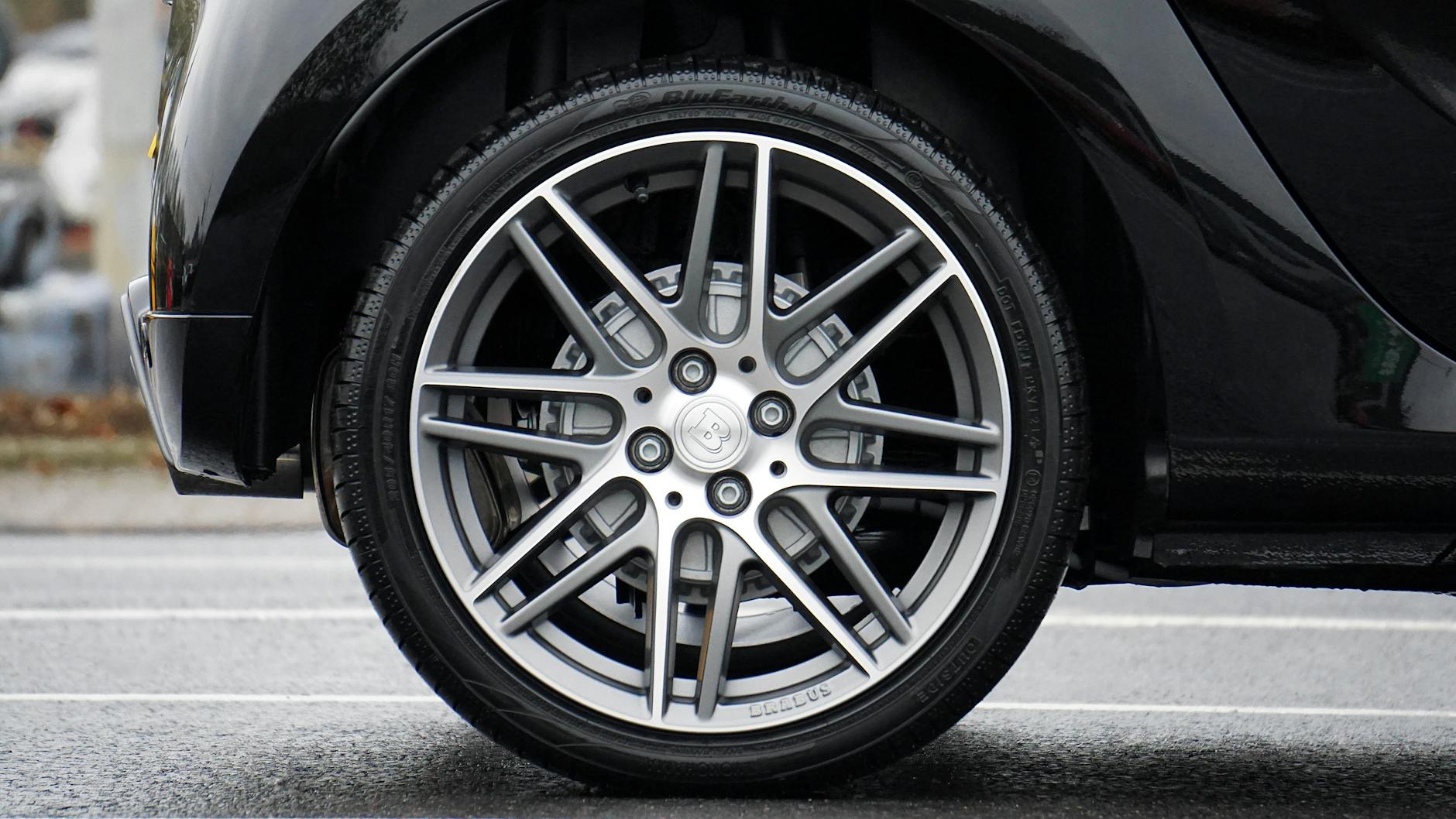
Custom Chrome Wheels: What You Need to Know

Chrome is hard to ignore. A set of custom chrome wheels catches light the way nothing else does — mirror-bright, almost liquid-looking, the kind of finish that turns heads in a parking lot. But chrome is also one of the most misunderstood wheel finishes out there, and buying a set without knowing what you're getting into is how people end up with peeling, pitting rims two winters later.
This guide covers everything: what chrome actually is on a wheel, how custom chrome wheels get made, what they cost, where they hold up well, where they don't, and how to think about the alternatives that have taken serious market share from chrome over the last decade.
What "Chrome" Actually Means on a Wheel
There's a lot of confusion here because the word "chrome" gets used loosely. Real chrome plating — electroplated chromium — is a multi-step industrial process. A bare aluminum or steel wheel gets copper plated first, then nickel plated, then finally a thin layer of hexavalent or trivalent chromium is deposited on top. That chromium layer is what gives the mirror finish, but it's remarkably thin — often just 0.00015 to 0.0003 inches of actual chrome sitting on top of the nickel.
The other thing sold as "chrome" is chrome-look paint or PVD (physical vapor deposition) chrome. PVD applies a metallic coating in a vacuum chamber and is increasingly common because it's more environmentally friendly than electroplating and can be done in colors other than silver. PVD chrome is not identical to electroplated chrome — it's generally harder and more resistant to corrosion — but it can look nearly as good.
When someone says they want custom chrome wheels, they usually mean one of three things: traditional electroplated chrome, PVD chrome, or polished aluminum that reads as "chrome-adjacent." Each behaves differently in the real world.
How Custom Chrome Wheels Are Made
The wheel itself — the substrate — is manufactured before any chrome process happens. That substrate can be cast, flow-formed, or forged aluminum, or steel. Chrome plating doesn't care what's underneath it structurally; it's purely a surface treatment. This matters because the structural quality of the wheel and the chrome finish are entirely separate decisions.
A cast aluminum wheel that gets chrome plated is still a cast wheel. The chrome doesn't strengthen it. A forged aluminum wheel with a chrome finish gets you both the structural advantages of forging and the visual impact of chrome — but that combination costs considerably more because you're paying for two distinct manufacturing processes.
For custom chrome wheels specifically, the process typically goes:
- Manufacture the wheel (cast, flow-formed, or forged) to your spec — size, offset, bolt pattern, lip depth
- Polish the raw aluminum to remove any surface imperfections, because chrome is unforgiving and will telegraph every flaw
- Plate with copper, then nickel, then chromium
- Final polish and quality inspection
Each step adds lead time. Custom sizing alone can take 3–5 weeks on a forged wheel; add plating and you're often looking at 6–10 weeks total. That's normal for a truly custom set.
The Real Costs: Purchase Price and Ownership
Custom chrome wheels cost more than most other finishes because the plating process is labor-intensive and the chemistry involved — especially traditional hex-chrome plating — is heavily regulated due to environmental hazards. A set of chrome wheels from a reputable manufacturer typically runs 20–40% more than the same wheel in a painted or brushed finish.
But the purchase price is only part of it. Chrome has ongoing maintenance demands that other finishes don't.
Corrosion and peeling. Chrome is porous at the microscopic level, and moisture gets in. Once water or road salt gets beneath the chromium layer and reaches the nickel underneath, you get bubbling and peeling. In road-salt states — the Midwest, the Northeast, anywhere that sees real winters — chrome wheels on a daily driver are a difficult proposition. The damage is usually irreversible without re-plating, which costs $150–$400 per wheel from a quality shop.
Brake dust and contamination. Chrome shows everything. Iron particles from brake dust embed into the surface if left uncleaned, causing rust spots that look like they're coming from inside the finish. Cleaning chrome wheels once a week on a daily driver isn't an exaggeration if you want them to stay pristine.
Chemical sensitivity. Most wheel cleaners that work well on painted or clear-coated wheels are too aggressive for chrome. Acid-based cleaners will strip or etch the finish. You're limited to pH-neutral options, which means you work harder to get the same clean.
None of this is a dealbreaker if you go in with clear eyes. A show car that lives in a garage and gets detailed regularly is a perfectly reasonable application for chrome. A daily-driven F-150 in Michigan is not.
Where Chrome Works Well
Custom chrome wheels make the most sense in specific contexts:
Show cars and trailer queens. If the vehicle rarely sees wet roads and gets regular professional detailing, chrome holds up beautifully and nothing else replicates the look.
Southern or dry-climate daily drivers. Phoenix, Los Angeles, Dallas — markets with minimal road salt and mild winters are much more forgiving. Plenty of people run chrome on their Escalades and Ram 1500s in these markets for years without major issues.
Trucks and SUVs in the chrome-heavy custom segment. The F-250, Silverado HD, and Tahoe markets have a long tradition of chrome wheels. The aesthetic fits, the buyers expect it, and manufacturers have built reliable supply chains around it.
Classic and vintage builds. On a restored '69 Chevelle or a classic Mustang, chrome wheels are period-correct. Polished aluminum or painted wheels often look wrong on older iron.
The Alternatives Worth Knowing
Over the last 10–15 years, several finishes have taken real market share from chrome specifically because they deliver a similar visual impact with fewer headaches.
Polished aluminum is the most direct substitute. A properly polished forged or flow-formed wheel has a warm, slightly less mirror-bright sheen than chrome, but it's repairable — you can re-polish a scuffed area without stripping and re-plating. It also tolerates cleaning chemistry much better.
PVD chrome is increasingly the choice of serious custom builders who want the chrome look without the maintenance nightmare. Because the PVD coating bonds differently than electroplating, it's generally more resistant to corrosion and chipping. It's not immune, but it's more forgiving on a car that sees rain. Several OEM manufacturers have moved to PVD for this reason.
Gloss silver or hyper silver paint with clear coat is the budget-friendly option that gets most of the visual effect with the easiest care. It doesn't have the depth of real chrome, but photographed well or viewed in motion, it's close enough for most applications.
If you want to go deeper on how different finishes interact with different wheel constructions, the guide on custom alloy wheels covers this territory well.
Forged vs. Cast Substrate for Chrome Wheels
If you're investing in custom chrome wheels, the substrate choice matters more than most people realize. Chrome plating on a cheap cast wheel is an expensive finish on a mediocre wheel. The chrome looks great on day one, but cast wheels are heavier, more porous (which affects plating adhesion over time), and more prone to cracking under impact.
Forged wheels are denser, lighter, and stronger. The grain structure of forged aluminum is continuous — there are no voids or inclusions — which gives the plating better adhesion and the overall wheel better longevity. A forged monoblock wheel that's been properly plated will outlast a chrome-plated cast wheel in almost every real-world scenario.
The structural and material differences between these approaches are covered in detail in the cast vs forged wheels breakdown, which is worth reading before you finalize your order.
Flow-formed wheels sit in between — they start as cast but the barrel is spun and formed under pressure, giving it a grain structure closer to forged. For chrome applications on a tighter budget, flow-formed is a reasonable middle ground.
Sizing and Fitment for Custom Chrome Wheels
Chrome wheels follow the same fitment rules as any other wheel, but there are a couple of chrome-specific considerations worth flagging.
First, sizing: chrome plating adds a small but real amount of material to the wheel's surfaces. On critical dimensions like the center bore, a thick or uneven plating job can cause fitment issues. Quality plating shops account for this, but it's worth confirming that your center bore measurement is taken post-plating if you're doing a truly custom fitment. On a 5x114.3 platform like a Mustang GT or a Model 3, the center bore tolerance matters for hub-centric fitment.
Second, weight: chrome plating itself adds modest weight (copper, nickel, and chromium layers together might add a pound per wheel on a full-size rim), but it's not the main weight concern. The bigger issue is that chrome wheels are disproportionately cast, and cast wheels are heavy. Going forged with a chrome finish is the way to get the look without the unsprung weight penalty.
For complex fitments — staggered setups on a rear-wheel-drive platform, aggressive offsets on a wide-body build — getting the offsets dialed in correctly before plating is essential. Re-working a plated wheel is expensive and often impractical. The guide on custom offset wheels has specific guidance on this.
On staggered applications — common on F30 335i builds, Challenger R/T setups, and GT-class Mustangs — chrome works fine front-to-rear as long as the plating is consistent in finish across both sizes. Inconsistency in the plating process between a 20x9 front and a 20x10.5 rear looks bad even if both are technically "chrome."
Getting Custom Chrome Wheels Built to Order
The custom wheel market has changed considerably. It used to be that getting a truly custom wheel — your size, your offset, your bolt pattern, your finish — meant going through a specialty shop and paying boutique prices. OEM-adjacent pricing wasn't available to individuals.
That's no longer the case. Manufacturers who supply OEM programs have excess capacity, and several brands (including ForgedToFit) now connect buyers directly to those lines. You get the same forging equipment and quality controls that supply automakers, at prices that reflect the efficiency of the process rather than the retail markup of legacy aftermarket brands.
For custom chrome specifically, the workflow is: choose your design (or upload your own), specify your fitment — size, offset, bolt pattern, center bore — then choose your finish. Chrome or PVD chrome requires the additional plating step, which adds both time and cost. A 3D CAD file gets approved before manufacturing begins, so you can verify the design before a single piece of metal is touched.
Lead times for custom chrome wheels from a forging operation are typically 6–10 weeks all-in. That's not instant gratification, but it's a fundamentally different product than a warehouse shelf wheel — it's built to your car's exact specifications.
Maintenance Protocol That Actually Works
If you buy chrome and want it to last, the maintenance routine isn't complicated — it just requires consistency.
Wash the wheels every 1–2 weeks during driving season. Use a pH-neutral wheel cleaner, a soft-bristle brush for the spokes, and a microfiber for the face. Avoid acid-based iron fallout removers on the chrome surface itself (use them on the barrel only if needed, then rinse immediately). Dry the wheels completely after washing — standing water is your enemy.
Polish twice a year with a dedicated chrome polish. It removes micro-oxidation before it becomes visible. Follow with a coat of non-silicone sealant rated for chrome — silicone can trap moisture.
Inspect the plating at the valve stem hole and at any areas near the lug seats. These are high-stress points where plating can crack or lift first. Catching it early means a re-plate is possible; ignoring it means the damage spreads.
In winter, either swap to a winter wheel-and-tire setup or accept that chrome wheels are getting aggressive chemical exposure from road treatments. Most serious chrome wheel owners in cold climates run a dedicated winter set — steel or painted alloy — and pull the chrome set back out in spring.
Finish Options Beyond Traditional Chrome
It's worth noting that the "chrome look" exists on a spectrum. If you want that bright metallic presence without full electroplating, these are worth considering:
- Brushed chrome: A chrome finish with a directional grain applied before or after plating. Less mirror, more industrial texture.
- Two-tone chrome and gloss black: A common combination — chrome lip, gloss black face — that reduces maintenance surface area while keeping the visual pop.
- Chrome center, machined lip: Popular on trucks and SUVs, combines chrome spokes with a machine-finished outer lip.
Each of these requires the same care on the chrome portions, but reduces total chrome surface area, which simplifies upkeep considerably.
If you're still narrowing down what finish direction is right for your build, the broader overview on custom car wheels covers finish selection in the context of the full ordering decision.
Frequently asked questions
Are custom chrome wheels worth it for a daily driver?
It depends heavily on climate. In dry, low-salt markets like Southern California, Arizona, or Texas, chrome on a daily driver is manageable with consistent washing. In road-salt states, chrome wheels deteriorate fast — bubbling, pitting, and peeling are common within 2–3 winters. In those markets, PVD chrome or polished aluminum holds up far better with less effort.
What's the difference between chrome and PVD chrome wheels?
Traditional chrome is electroplated — copper, then nickel, then chromium deposited through an electrochemical process. PVD (physical vapor deposition) chrome applies a metallic coating in a vacuum chamber. PVD tends to be harder, more corrosion-resistant, and more environmentally friendly to produce. Both look similar in good light, but PVD is more durable in real-world conditions and is becoming the preferred option for quality custom builds.
Can chrome wheels be re-plated if the finish starts peeling?
Yes, but it's not cheap. Re-plating a single wheel typically runs $150–$400 at a quality shop, and the wheel needs to be completely stripped back to bare metal before the new copper, nickel, and chrome layers are applied. The process works well when caught early — if corrosion has gotten into the base material, re-plating is harder to justify.
Do chrome wheels weigh more than painted wheels?
The plating itself adds a small amount of weight — maybe a pound per wheel for the combined copper, nickel, and chrome layers on a full-size rim. The more significant issue is that most chrome wheels are cast aluminum, which is heavier than forged by nature. If weight matters to you, the right answer is a forged or flow-formed wheel with a PVD or polished finish rather than a cast wheel with traditional chrome.
What wheel cleaner is safe for chrome?
Use pH-neutral wheel cleaners only. Products labeled "acid-free" are your safe zone. Avoid iron fallout removers (the purple-bleeding type) on chrome surfaces — the chemistry that dissolves iron particles is aggressive enough to etch or dull chrome over time. If you need to treat heavy brake dust contamination, use those products on the barrel only and rinse immediately.
How long does it take to get custom chrome wheels made to order?
For a forged wheel with chrome plating, expect 6–10 weeks from order to delivery. The wheel manufacturing itself (forging, machining, finishing) takes 3–5 weeks; the plating process adds 2–4 weeks on top. Custom sizing, offset, and bolt pattern add no significant time penalty over standard specs since the wheels are built to order regardless.