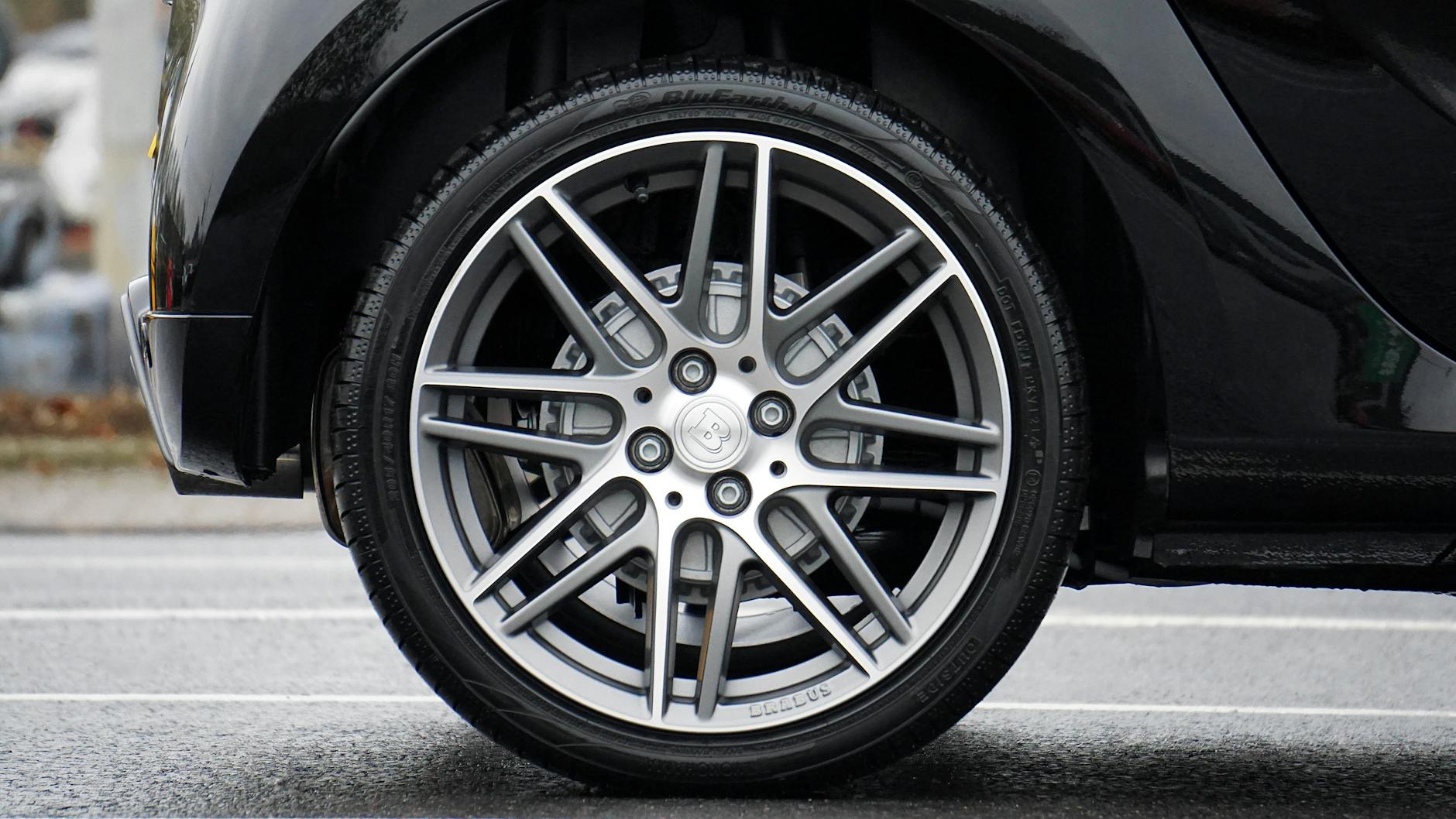
Best Aftermarket Wheels for C7 Corvette (2014–2019)

The C7 Corvette ran from 2014 through 2019, and it remains one of the sharpest-looking American performance cars ever made straight from the factory. GM's designers already put a lot of thought into the wheel arches — wide, muscular, with just enough gap to tuck a proper staggered setup. That's both a blessing and a trap. When the wheels are right, a C7 looks genuinely world-class. When they're wrong — wrong offset, wrong spoke style, wrong finish — the whole car suffers. So choosing the best aftermarket wheels for your C7 Corvette matters more than it does on most platforms.
This guide covers everything: the correct sizes and offsets across base, Z51, Grand Sport, Z06, and ZR1 variants, what construction to look for, which styles actually suit the C7's proportions, and how to avoid the fitment mistakes that plague a surprising number of builds.
C7 Corvette Wheel Specs: What You're Working With
Before you start browsing designs, you need to understand the factory baseline. The standard C7 Stingray runs a staggered setup from the factory: 18×8.5 front with a +56mm offset and 19×10 rear with a +79mm offset. The Z51 package upgrades that to 19×8.5 front and 20×10 rear. The Grand Sport and Z06 go wider still — the Z06 runs 19×10 front and 20×12 rear, which is seriously aggressive and the reason those wide-body fenders exist.
For most aftermarket builds, you're working around these baselines:
- Base/Z51: 19×9 or 19×9.5 front (+55 to +65mm), 20×10 or 20×10.5 rear (+79 to +85mm)
- Grand Sport: 19×10 front (+57mm), 20×11 rear (+79mm)
- Z06/ZR1: 19×10 or 19×11 front, 20×12 rear — tight clearances, less room for error
The Z06 brake package uses massive Brembo calipers — 6-piston front, 4-piston rear. You need a minimum of 73–75mm caliper clearance at the front. Many wheels that fit a base C7 will not clear Z06 brakes. Always confirm caliper clearance before ordering.
Hub bore is 70.3mm across all C7 variants. Center bore matters more than people realize on a 650+ horsepower car — a hubcentric fit (or proper hubcentric rings) is non-negotiable.
Lug Pattern and Hardware Notes
All C7 Corvettes use a 5×120.65mm (5×4.75 inches) bolt pattern — the same pattern GM has used on Corvettes for decades. The factory lug nut seat is a 60-degree conical (acorn) style with a 14×1.5mm thread pitch. This matters because some aftermarket wheels come drilled for ball-seat or shank-style hardware, which won't seat correctly with standard Corvette lug nuts. When ordering, confirm the lug seat type and source matched hardware if your wheel manufacturer doesn't supply it.
One frequently overlooked detail: the C7's factory wheel studs are relatively short compared to some competitors. If you're running spacers — even thin 5mm hub-centric spacers to fine-tune fitment on a base car — verify stud engagement. Less than six full threads of engagement on a performance car is a safety issue, not a styling compromise. Extended studs are inexpensive insurance if your build requires them.
Staggered vs Square Setups on a C7
The factory stagger exists for a reason: the C7's rear-biased weight distribution and substantial torque (455 lb-ft on the base LT1, 650 on the Z06's supercharged LT4) benefit from more rubber out back. Running a square setup is possible, but you're fighting the car's geometry and sacrificing traction on hard launches.
For track use, some owners run square 19×10 or 19×11 setups with dedicated track tires, which lets them rotate rubber and simplify spare fitment. On the street, staggered is almost always the better choice — and it looks more intentional too, filling those rear arches properly.
If you want to go deeper on how staggered setups work mechanically and visually, the staggered wheels meaning explained covers the theory in detail.
Forged vs Cast: This One Actually Matters on a C7
A C7 Corvette — even the base Stingray — is a performance car. At the Z06 and ZR1 level, it's genuinely supercar-territory. Putting heavy cast wheels on a car that was engineered with lightweight forged or flow-formed wheels from the factory is a step backward.
The C7 Z06 came with optional forged carbon fiber wheels — the lightest production wheels ever fitted to a GM product. Obviously most aftermarket options aren't carbon, but the principle holds: unsprung weight matters on this platform. A quality forged aluminum wheel in a 20-inch size will typically come in 2–4 lbs lighter per corner than a comparable cast piece. On a car this performance-focused, that's real.
Forged wheels are also stronger, which means thinner sections are possible without sacrificing structural integrity. That's how you get the deep spoke profiles and intricate designs that look right on a C7 without the wheel becoming a liability at 150+ mph.
Flow-formed (also called rotary forged or flow forged) wheels offer a middle ground — the barrel is pressure-formed under heat for improved grain structure and strength, while the face is cast. They're lighter than traditional cast and more affordable than full forged. For a street-driven base C7 or Grand Sport, they're an excellent option. For a Z06 you're tracking, full forged is worth the premium.
For a full breakdown of why construction method matters beyond marketing language, cast vs forged wheels: what actually matters is worth reading before you decide.
What Styles Actually Work on a C7
The C7's design language is aerodynamic, angular, and aggressive. The hood is long, the rear is wide, and the overall shape has a lot of visual speed to it even standing still. Certain wheel styles complement this; others fight it.
Multi-Spoke Designs
This is the sweet spot for a C7. Five to seven spokes, slightly curved or Y-spoke arrangements, maintain visual flow with the car's body lines. The factory Z06 Spyder wheels are an eight-spoke design and they work specifically because the spokes are narrow and dynamic-looking. Fat, blunt spokes in a five-spoke layout tend to look heavy and dated on this car.
Directional spoke designs — where the spokes sweep rearward from the center when the wheel is viewed from outside the car — reinforce the C7's sense of forward motion. They read as active rather than static. If you're ordering custom forged wheels, specifying a directional pattern is worth discussing with your manufacturer. The tradeoff is that directional wheels must be ordered in mirror-image pairs (left and right), which slightly complicates replication if you damage a single wheel later.
Mesh and Split-Spoke
Twelve to eighteen spoke mesh designs can look excellent on a C7, particularly in a dark finish. They read as high-end and add visual complexity that rewards close inspection. The risk is going too busy — beyond about 20 spokes you start losing definition, especially in a darker finish at speed.
Split-spoke designs — where each structural spoke divides into two or three thinner elements near the rim — offer visual intricacy without the weight of a true mesh. They also tend to show brake caliper color well, which matters if you have the red or yellow Brembos and want them to read clearly through the wheel face.
Deep Concave Profiles
The C7's arches, especially with the Z06 wide-body, accommodate serious concavity. A +57mm front offset with a deep concave face looks aggressive and purposeful. The concave profile also visually increases apparent wheel depth, which on a 19 or 20-inch wheel looks expensive. If you're interested in how concavity is specified and what deep concave actually means in practice, deep concave wheels: how to get them right covers the geometry clearly.
One practical note: extreme concavity on a front wheel can complicate brake caliper clearance. The deeper the concave, the less barrel depth is available between the spoke face and the inboard flange, and that's exactly where the caliper sits. On a Z06 with the 6-piston front Brembos, you may need to moderate concavity at the front relative to what the rear can accommodate — the result is an asymmetric concavity setup that still looks aggressive but gives you clearance where you need it.
What to Avoid
High-polished chrome looks wrong on a C7 — it's too flashy for the car's performance identity. Dished truck-style wheels are obviously out. Thin, delicate ten-spoke designs that work on a luxury sedan tend to look undersized on the C7's wide haunches. And anything less than 19 inches front looks visually lost in those arches.
Overly symmetric five-spoke designs that look identical from any angle tend to read as anonymous on a C7. The car has enough personality that a wheel with no directional energy or visual interest becomes a missed opportunity. This doesn't mean chasing complexity for its own sake, but it does mean favoring designs that have some relationship to the car's aerodynamic character.
Finish Options: What Holds Up and What Looks Right
Matte or satin black is the most popular finish on C7 aftermarket wheels, and for good reason — it works with every exterior color and shifts the car's look toward track credibility. The issue is that satin black shows brake dust heavily, especially on the front wheels. If you're not committed to regular cleaning, consider a brushed or gloss dark gunmetal instead.
Brushed and anodized finishes in silver or dark silver are underrated on a C7. They're more visually interesting than flat silver but don't have the maintenance burden of a full polished finish. They also age better — small curb rubs are less catastrophic on a brushed surface than on a mirror-polished one.
Two-tone setups — machined spoke face with a gloss or satin barrel — photograph well and look strong in person. They're worth considering if you want something that reads as custom without going full custom color.
Ceramic-coated wheels are worth considering for a C7 that sees track time. The coating makes brake dust removal dramatically easier and resists the heat-induced discoloration that can ruin a light finish after sustained track sessions. It adds cost, but on a car you're driving hard it pays for itself in maintenance time within a season.
C7 Grand Sport Specific Fitment
The Grand Sport sits in an interesting spot — it has Z06-style wide-body fenders but runs the base LT1 engine (in most configurations). That means you have the arch room for aggressive fitment but don't always have the Z06 Brembo package to work around. The GS came standard with 19×10 front and 20×12 rear — that rear 20×12 is very wide, and filling it properly requires paying close attention to offset.
A common mistake on Grand Sport builds is running a rear offset that's too aggressive (too negative), which pushes the wheel outside the fender line. GM's engineers calibrated those rear offsets carefully — stray more than 5–8mm from the factory spec and you'll either rub or have obvious poke. For the GS, staying in the +75 to +82mm rear offset range keeps things clean.
The Grand Sport's front suspension geometry is shared with the Z06, not the base car. That means control arm clearance at full lock is tighter than on the standard Stingray. Owners who try to run very wide front wheels (19×11) on a GS sometimes discover inner barrel contact with the lower control arm at full steering lock — not under normal driving, but enough of a concern that it's worth simulating or consulting someone who has already run the configuration you're targeting.
Z06 Wheel Notes: Don't Cheap Out Here
The C7 Z06 supercharged LT4 makes 650 horsepower and 650 lb-ft of torque. It will do 0–60 in under 3 seconds with the 8-speed automatic. This is not a car to put mediocre cast wheels on.
Beyond the caliper clearance issue already mentioned, the Z06's performance envelope puts serious stress on wheels. Track sessions involve sustained high speeds and repeated hard braking. A wheel that's fine on a street car can develop fatigue cracks under track use, and on a Z06, that's a real safety concern. Full forged construction from a manufacturer with proper certifications isn't optional here — it's the minimum.
The Z06 also runs the Magnetic Ride Control suspension as standard on many configurations. MRC allows very fast damper response to surface inputs, which means the wheel and tire combination sees sharper transient loads than on a conventional passive damper setup. That's another argument for forged construction — the grain structure of a properly forged aluminum alloy handles repeated impact loading better than cast material, which has less predictable failure behavior.
For a Z06 used primarily on track, some builders run 19×11 square with a 305-section tire all around and purpose-built track rubber. The sacrifice in street grip balance is worth it for rotation convenience and the ability to run the same tire compound all four corners. On a primarily street car, stick with the factory stagger concept but executed in higher-quality hardware.
What to Budget
Legacy forged brands — HRE, Forgeline, Brixton — charge $4,000–$8,000+ for a set of forged C7 wheels. They're excellent, but there's genuine sticker shock involved, and a significant portion of that cost is brand premium and retail markup rather than manufacturing quality.
Flow-formed options from mid-tier brands come in around $1,500–$2,500 a set but are often limited to off-the-shelf sizes, which means you might be compromising on offset or width to match an existing SKU.
Custom forged wheels built to your exact specifications — right offset, right width, right finish, right design — are available for $2,000–$3,500 a set when you're working directly with a manufacturing partner rather than paying for a legacy brand's marketing overhead. That's the model ForgedToFit uses: a 15-year OEM forge partner, built to order, with a 5-year warranty, at 50–70% less than legacy brands charge for the same construction quality.
For more context on how forged pricing has shifted and where the value actually sits in 2025, forged wheels brands: who's worth your money in 2025 is a useful read.
Getting the Full Aftermarket Picture
Wheels are one piece of the fitment puzzle. If you're changing wheel width significantly from factory spec, tire selection becomes critical — run too narrow a tire on a wide wheel and the sidewall profile distorts. For a C7 Z06 on a 20×12 rear, you're looking at 305–325 section width tires to maintain proper sidewall geometry.
Tire sidewall height deserves attention here too. The C7 uses relatively low-profile rubber from the factory — 245/35ZR19 front and 285/30ZR20 rear on the Z51, for example. Going to an aftermarket 20-inch rear in the same diameter means maintaining that 30-series profile or accepting a change in overall diameter. A meaningful change in rolling diameter affects speedometer calibration, traction control engagement thresholds, and ABS behavior. On a car with as much integrated electronics as a C7 — particularly the Z06, which has a sophisticated torque management system — rolling circumference deviation beyond about 2.5% can trigger calibration issues worth addressing through a tune.
For anyone building out a complete wheel and tire package rather than just swapping wheels onto existing rubber, aftermarket wheels and tires: the complete setup guide covers the full process including tire sizing math and what to watch out for.
If you want to see how the C7 fits into the broader Corvette aftermarket context — including how C7 fitment compares to C5 and C6 — the aftermarket Corvette wheels complete guide covers all generations with generation-specific sizing notes.
Ordering Custom vs. Off-the-Shelf
One advantage of custom-ordered forged wheels is that you're not compromising offset to fit a manufacturer's existing SKU. Off-the-shelf fitment databases often list wheels that technically bolt on but aren't optimized for the platform — a wheel that fits a C7 according to a fitment guide might still sit 6mm more outboard than ideal, or have insufficient caliper clearance on the Z06 package.
When you spec a wheel from scratch, you input your exact hub bore (70.3mm), your target offset, your caliper dimensions if you have them, and your preferred width. The 3D CAD step before manufacturing catches interference issues before metal gets cut. That process eliminates the guesswork that makes off-the-shelf buying stressful on a performance platform like the C7.
Custom offset specification is particularly valuable here — if you want to understand how offset translates to real-world position in the arch, custom offset wheels: get the fitment exactly right breaks down the math in straightforward terms.
The lead time on custom forged wheels — typically 8 to 12 weeks — is the most common objection, and it's legitimate. If you need wheels for an event six weeks out, custom isn't the path. But for a build you're doing right, that window is the difference between wheels that are correct and wheels that are close enough. On a C7 that you're investing serious money into, close enough is rarely worth it.
Frequently asked questions
What size wheels fit a C7 Corvette Stingray?
The factory Z51 setup runs 19×8.5 front and 20×10 rear. Most aftermarket builds stay in the 19×9 to 19×9.5 front and 20×10 to 20×10.5 rear range. Offsets matter as much as diameter — the front runs around +55 to +65mm and the rear +79 to +85mm depending on variant.
Do aftermarket wheels fit a C7 Z06 with the Brembo brake package?
Not automatically. The Z06 6-piston front Brembos require a minimum of approximately 73–75mm of caliper clearance. Many wheels that clear standard C7 brakes will contact Z06 calipers. Always confirm caliper clearance with the wheel manufacturer before ordering, especially if you have the Z07 package.
Are forged wheels worth it on a C7 Corvette?
Yes, especially for anything above the base Stingray or any car that sees track time. The C7 was engineered around lightweight performance — even the base car benefits from reduced unsprung mass. On a Z06 or ZR1 running track sessions, full forged construction is the responsible choice for both performance and safety.
What's the best finish for C7 Corvette aftermarket wheels?
Satin or matte black is the most popular choice and works on every exterior color. Brushed dark gunmetal is a strong alternative with better brake dust masking. Avoid high-polished chrome — it conflicts with the C7's performance identity and requires intensive maintenance.
Can I run a square wheel setup on a C7 Corvette?
Yes, and some track-focused owners prefer 19×10 or 19×11 square setups for rotation convenience and simplified tire management. For street use, staggered is generally better — the C7's rear-biased weight distribution and torque output benefit from more rubber out back.
How much do quality aftermarket wheels for a C7 Corvette cost?
Legacy forged brands (HRE, Forgeline, Brixton) run $4,000–$8,000+ per set. Flow-formed off-the-shelf options are $1,500–$2,500 but may compromise on fitment precision. Custom forged wheels built to your exact specs — correct offset, width, and finish — are available in the $2,000–$3,500 range when ordering direct from a manufacturer rather than through traditional retail channels.