Best Aftermarket Wheels: How to Choose in 2025

Spending $2,000–$8,000 on a set of wheels is a real decision. The aftermarket is enormous—hundreds of brands, thousands of designs, and a pricing spread that makes no obvious sense until you understand what's actually behind it. Some of the most expensive wheels on the market are only marginally better than mid-tier options. Some of the cheapest are genuinely dangerous. The best aftermarket wheels sit in a specific zone defined by manufacturing method, material quality, fitment precision, and honest pricing.
This guide will tell you exactly what separates good wheels from great ones, which platforms and use cases demand different approaches, and how to avoid the traps that catch most buyers.
What Makes a Wheel "Best"?
That word does a lot of work. Best for a daily-driven F30 335i is not the same as best for a track-prepped Mustang GT or a slammed Model 3. But across all use cases, the same core criteria apply.
Manufacturing Method Is the Foundation
This is the single most important variable. Wheels are made three main ways: gravity cast, flow formed (also called rotary forged or flow forged), and forged.
Gravity cast wheels are poured molten aluminum into a mold. They're cheap to produce, which is why budget brands default to them. The grain structure is loose and inconsistent, meaning manufacturers compensate with extra material—so the wheel ends up heavier than it needs to be for its strength rating. A 19-inch gravity cast wheel for a mid-size sedan might weigh 26–29 lbs per corner.
Flow formed wheels start as a cast center but the barrel is stretched and compressed under rollers while spinning, which densifies the aluminum grain structure in the barrel where stress concentrates. You get a wheel that's meaningfully lighter than a gravity cast equivalent—often 15–20%—without the cost of full forging. For daily drivers and street builds, this is the sweet spot. A comparable flow formed 19-inch might come in at 21–23 lbs.
Forged wheels are machined from a single billet of aluminum that's been compressed under thousands of tons of pressure. The grain structure is the tightest and most consistent of any method, which allows manufacturers to remove material aggressively while maintaining or exceeding the strength of heavier cast wheels. A forged 19-inch for the same application might be 18–21 lbs, and on aggressive spoke designs it can go lower. If you're tracking a car seriously or running a high-horsepower build, forged is where you want to be.
For a deeper look at how these methods stack up, the breakdown in cast vs forged wheels: what actually matters covers the metallurgy and real-world implications in detail.
Fitment Precision
A wheel that looks right but fits wrong is a problem that doesn't go away. The critical fitment variables are bolt pattern, center bore, offset (ET), and diameter/width combination. Most buyers know the first two. Offset and width are where builds succeed or fail.
Offset is the distance in millimeters from the wheel's mounting face to its centerline. A stock F30 335i rear typically runs ET32–ET37 on a 225/45R18 setup. Running an aftermarket 19x9.5 ET25 in the rear will push the wheel outward about 7–12mm from stock—which usually tucks cleanly under the arch with a modest drop. Go to ET20 with a wider 10.5-inch wheel and you're into potential rubbing territory unless the suspension is dialed.
On a Mustang GT, the rear track is wide enough to accommodate 19x10.5 ET40 without drama, but the front fitment is more sensitive. The front suspension geometry on the S550 platform is unforgiving about low-offset wide wheels—expect rubbing at full lock if you push too aggressively.
Custom offset manufacturing solves this entirely. Rather than hunting through catalogs for something close enough, you specify exact ET for your setup. That's what custom offset wheels are built around.
Weight Is Measurable, Not Marketing
Every pound of unsprung weight affects acceleration, braking, and steering response more than a pound of sprung weight—the ratio is commonly cited at 4:1 to 7:1 depending on the vehicle and geometry. Dropping 3 lbs per corner on a Model 3 isn't just about looks; it shortens braking distance and sharpens turn-in response in a measurable way.
Ask any wheel brand for actual per-size weights before purchasing. Reputable manufacturers publish them. If a brand won't tell you how much their 20-inch wheel weighs, that's a signal.
The Brand Landscape: Where the Money Actually Goes
The legacy forged wheel brands—HRE, Vossen Forged, ADV.1, Forgeline—make genuinely excellent products. They also price them accordingly: $800–$1,800 per wheel is common for forged monoblock pieces, and multi-piece setups go higher. A significant portion of that cost is brand positioning, the retail distribution chain, and the marketing ecosystem around high-end fitment culture.
Mid-tier brands like BBS, Enkei, and OZ Racing offer solid flow formed and some forged options in the $200–$500 per wheel range. Their fitment catalog is broad but not exhaustive, and custom sizing typically isn't available. If your platform and spec fall within their catalog, you'll get a good wheel.
The budget segment—Konig, Motegi, some Rota and XXR products—is dominated by gravity cast construction. These aren't inherently unsafe if they're JWL/VIA certified and you're not doing anything aggressive. But they're heavier and less refined, and for the price premium over a genuinely manufactured wheel, the value case weakens quickly.
The more interesting shift in recent years is OEM-partner direct-to-consumer forging. ForgedToFit works with a 15-year OEM forging partner—the same manufacturing infrastructure that supplies automakers—to produce custom forged and flow formed wheels at 50–70% less than legacy brands. The savings come from cutting out the retail chain, not from compromising the manufacturing. That's a fundamentally different pricing model than what the legacy aftermarket has historically offered.
For a full rundown of the forged wheel brand landscape, forged wheels brands: who's worth your money in 2025 goes into specifics.
Design: What to Think About Beyond Looks
Spoke Count and Structural Efficiency
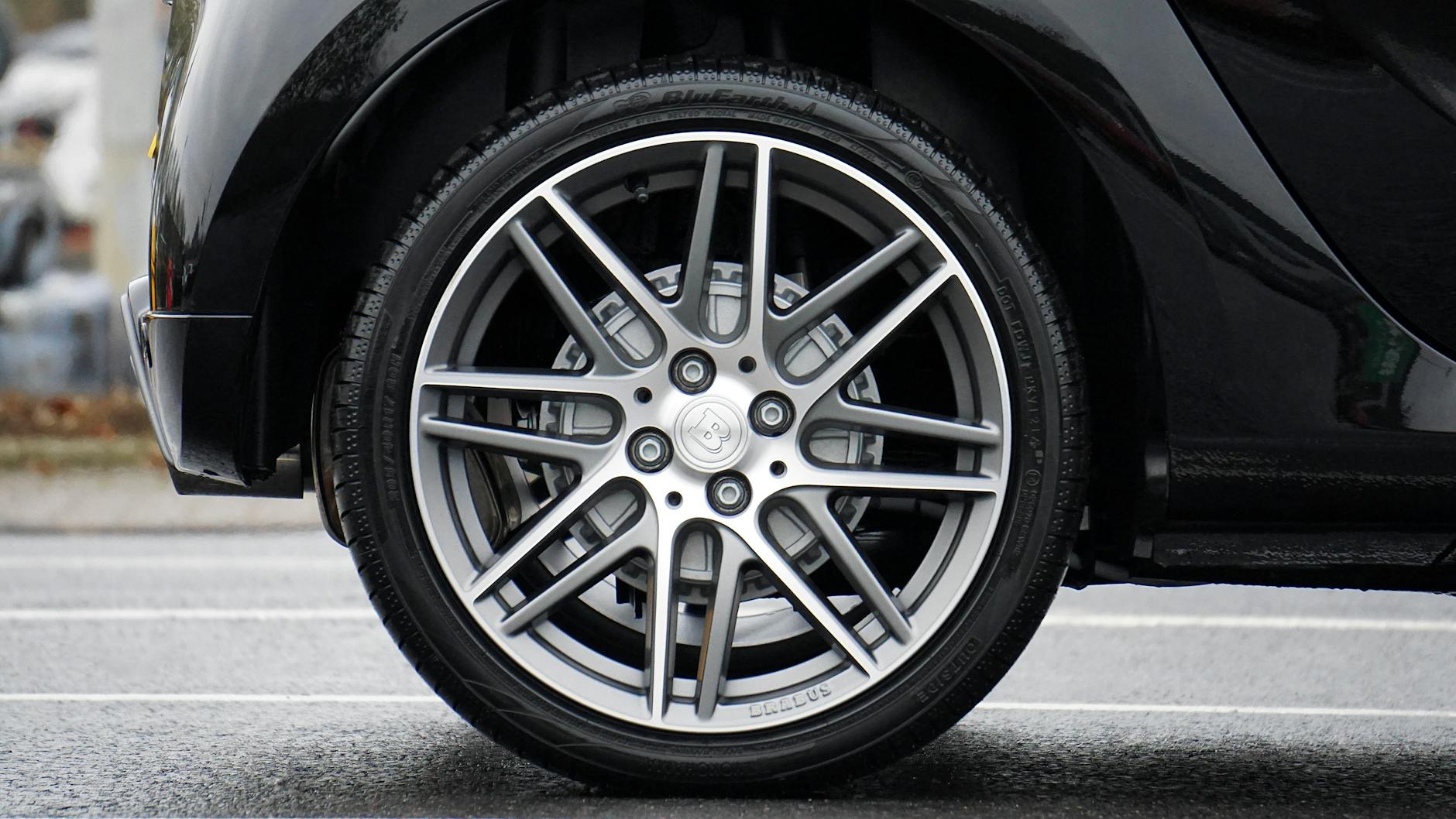
Spoke design isn't just aesthetic—it directly affects structural efficiency and weight. Fewer, thicker spokes (think 5-spoke monoblock designs) tend to be heavier per spoke but rigid. Many-spoke mesh or multi-spoke designs can be lighter if the individual spokes are narrow and the design is engineered well, but poorly executed mesh wheels become heavy fast.
Deep concave designs look aggressive on wide cars but require the wheel to be manufactured wider with a more negative offset to achieve the concavity effect. On a car like a Widebody Charger or a C8 Corvette, deep dish rear fitment makes visual sense and the wide track can accommodate it. On a narrow-track economy car, forcing deep concave fitment usually means incorrect offset or a wheel that's too wide for the arch.
More on this in concave vs flat face wheels explained.
Finish Durability
Polished lip finishes look stunning and oxidize within two seasons if you're in a winter-salt environment. Powder coat is the most durable everyday finish—chips can happen but don't spread. Liquid paint with clear coat is standard on most OEM-style finishes and holds up well. Chrome is beautiful and high-maintenance; brake dust and moisture will stain it if you're not cleaning regularly. Custom chrome wheels are worth understanding before committing to that finish.
Platform-Specific Considerations
BMW F30 335i: The 5x120 bolt pattern with 72.6mm center bore is well-served by the aftermarket. This platform responds exceptionally well to a 19x8.5 ET32 front / 19x9.5 ET22 rear staggered setup in forged. Weight savings are noticeable on this chassis—the F30 is not a light car at ~3,400 lbs, and the EPAS steering gives you genuine feedback about unsprung mass changes. Running staggered wheels on RWD platforms like this is worth understanding in depth; staggered wheels: what they are and when to run them covers the tradeoffs.
Ford Mustang GT (S550): 5x114.3, 70.5mm center bore. The S550 has a wide rear track and looks proportionate with 19x10.5 or 20x10.5 rears. Fronts are typically 9.5 inches wide. Many buyers run square setups on this platform for tire rotation convenience—both axles the same width. Forged or flow formed at 19 or 20 inches drops meaningful weight versus the factory cast 19s.
Tesla Model 3: 5x114.3 rear, 5x114.3 front, 64.1mm center bore. The Model 3 is weight-sensitive in a different way than ICE cars—range is directly affected by rotational inertia. A set of 19-inch flow formed wheels that's 2–3 lbs lighter per corner than the stock aero wheels can recover 1–3% range depending on driving conditions. This platform also has very limited wheel well clearance front and rear, so offset precision matters more than on most cars.
Trucks (F-150, Silverado 1500, RAM 1500): The considerations here are different. Payload ratings, tow ratings, and the potential for airbag suspension mean you need wheels rated for higher loads. Forged wheels become even more structurally relevant on a 1-ton truck than on a sports car. Truck custom wheels: how to choose and order right goes into the specifics.
What to Look For in a Warranty
A 1-year warranty is the baseline minimum and frankly inadequate. Structural failures from manufacturing defects don't always show up immediately—they can develop over 12–24 months of thermal cycling and road stress. A 5-year structural warranty is the standard that serious manufacturers should stand behind. ForgedToFit backs every wheel with a 5-year warranty, which is possible when the manufacturing is genuinely high quality and the partner relationship is long-standing.
Also check whether the warranty covers curb damage. Almost no manufacturer covers cosmetic damage from curbing—that's expected. What you want covered is structural: cracks originating from the barrel, hub, or spoke roots under normal use.
The Custom Order Process: What to Expect
If you're ordering through a brand that does made-to-order forged or flow formed wheels rather than catalog items, the process looks like this:
- Spec submission: You provide platform, current suspension setup, target size, finish, and design preference.
- Fitment verification: The brand confirms or adjusts offset, width, and center bore. This is where a catalog brand says "no" and a custom brand says "let's engineer it."
- 3D CAD rendering: You see the wheel on your exact spec before production begins. This step matters—the difference between a 5-spoke design at 19x9 ET25 and the same design at 19x10 ET20 is significant visually and mechanically.
- Production: For forged monoblock wheels, production is typically 6–12 weeks depending on the manufacturer's queue.
- Shipping direct: Wheels ship from the manufacturing facility, not a warehouse.
More on this process in custom forged wheels: the complete guide.
Flow Formed vs Forged: The Decision Framework
If you're building a weekend track car or a high-horsepower build where every rotational pound matters, forged is the answer. If you're building a street car that you also push hard on canyon roads or occasional track days, flow formed at the right spec will serve you excellently and costs less to replace if you have a hard curb moment.
The detailed comparison in flow formed vs forged wheels: which is right for you breaks this down by use case with actual weight comparisons.
For most enthusiast builds—performance street, occasional autocross, daily with an aggressive aesthetic—flow formed in a custom size and offset hits the intersection of cost, weight, and durability better than anything else in the market. For serious motorsport, full forged. For pure daily use where you want something better than stock without overthinking it, a flow formed catalog wheel from a reputable brand does the job.
Red Flags When Buying
- No published per-size weights
- JWL certification absent or unverifiable
- Warranty under 2 years
- "Forged" language used to describe flow formed or cast wheels (this is common and misleading)
- No center bore specified, or claimed to be "universal" on a hub-centric application
- Pressure to buy fast with discount countdown timers
The best aftermarket wheels come from brands that can tell you exactly how the wheel was made, what it weighs at your specific size, what the warranty covers, and show you a rendering before you commit to production. Anything less than that is guesswork at significant expense.
Frequently asked questions
What's the difference between flow formed and forged aftermarket wheels?
Flow formed wheels start as a cast center with a barrel that's reshaped under pressure rollers while spinning, densifying the aluminum and reducing weight by 15–20% versus gravity cast. Forged wheels are machined from a billet compressed at thousands of tons of pressure, producing the tightest grain structure and lowest weight. Forged is ideal for track use and high-power builds; flow formed is the sweet spot for most performance street applications.
How much should I expect to pay for a quality set of aftermarket wheels?
Flow formed catalog wheels from reputable brands run $200–$400 per wheel. Forged catalog wheels from legacy brands start around $600–$800 each and go well past $1,500. Custom forged or flow formed made-to-order wheels through an OEM-partner direct brand like ForgedToFit typically land at 50–70% less than legacy forged pricing while using the same manufacturing infrastructure.
Do aftermarket wheels void my car's warranty?
In the US, the Magnuson-Moss Warranty Act protects consumers—a dealer cannot void your powertrain warranty simply because you fitted aftermarket wheels. They would have to demonstrate that the wheels caused a specific failure. Fitment that's outside spec (wrong offset causing suspension contact, overloaded load rating) could complicate a related claim, which is why proper fitment matters.
What wheel size should I run on my car?
For most performance street builds, staying within one inch of the stock diameter is the safe starting point—going larger usually means a lower-profile tire that rides harsher and is more vulnerable to pothole damage. On a BMW F30 335i, moving from the stock 18-inch to a 19-inch is standard and works well with a 225/35R19 or 235/35R19 front/rear combo. On a Mustang GT, 19 or 20-inch is typical with 275 section rears. Always confirm that the overall diameter matches stock within ~1.5% to preserve speedometer accuracy and clearance.
Are cheap aftermarket wheels actually dangerous?
Budget gravity cast wheels without JWL/VIA certification carry real risk in high-stress situations—hard cornering, pothole impacts, or track use can cause brittle fractures that don't give warning the way a bent wheel does. For a car that never sees track use and is driven gently, certified budget wheels are a calculable risk. For any performance application, the structural integrity difference between certified flow formed or forged wheels and uncertified cast pieces is significant enough to matter.
How do I know if aftermarket wheels will fit my car without rubbing?
You need to know four things: bolt pattern, center bore, offset (ET), and the width/diameter combo. Bolt pattern and center bore are non-negotiable. Offset and width determine how far the wheel sits in or out of the arch—the right combination depends on your suspension setup, ride height, and arch clearance. A reputable custom wheel brand will verify all four before production and can hit exact ET values rather than rounding to the nearest catalog option.