Brushed Aluminum Forged Wheels: The Complete Guide

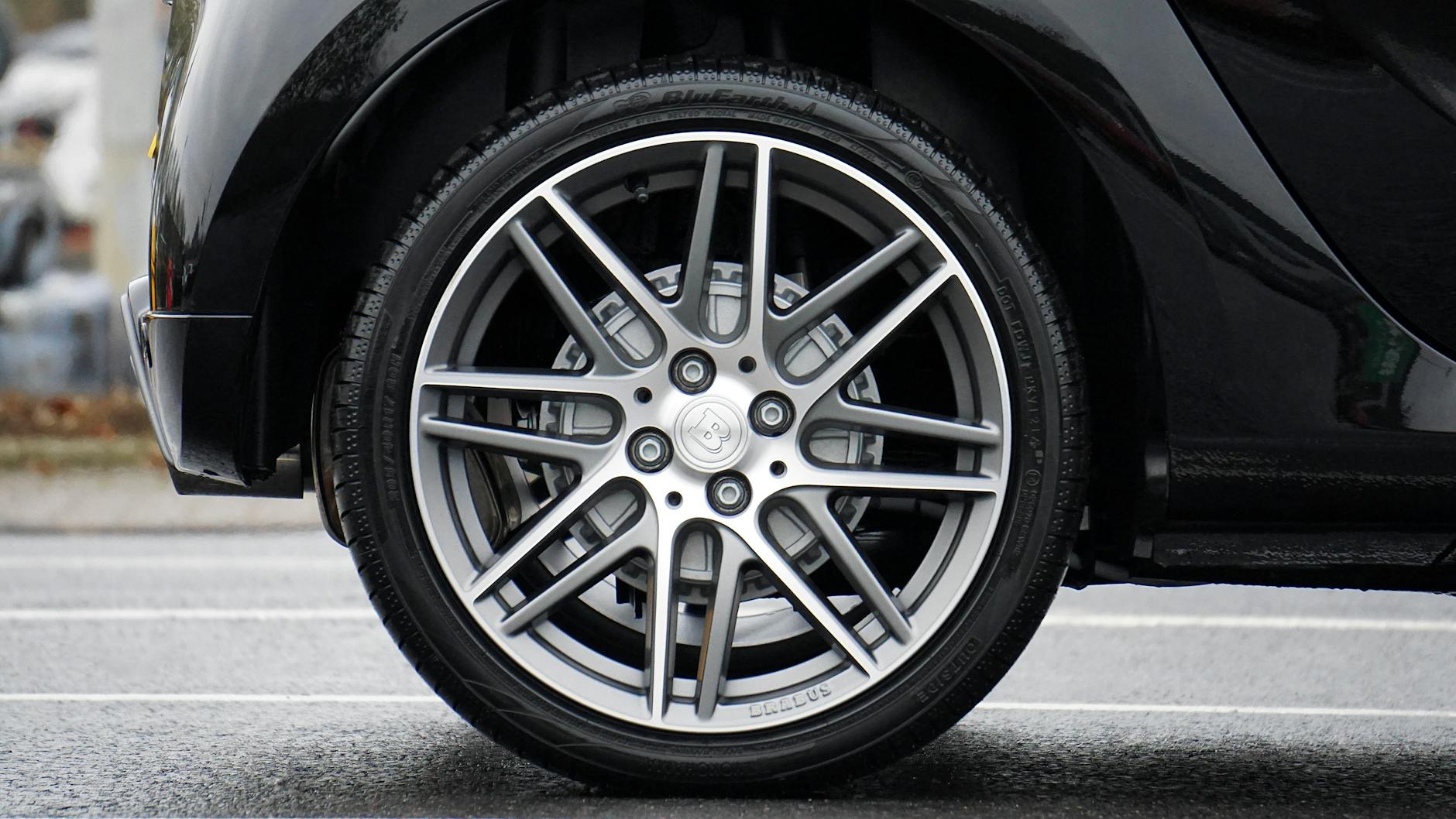
Brushed aluminum forged wheels are one of those finishes that genuinely age well. While gloss black comes and goes, and chrome tends to polarize, brushed aluminum has stayed consistently relevant across sports cars, luxury sedans, and performance trucks for decades. That's not an accident. The finish works with the natural texture of aluminum, it hides minor swirl marks better than polished surfaces, and on the right wheel design it looks factory-correct in the best possible way — intentional, not overdone.
But there's a difference between a brushed finish on a cheap cast wheel and brushed aluminum on a properly forged piece. The substrate matters. The forging process matters. And if you're spending real money on custom wheels, understanding what you're actually buying will save you from regret later.
What "Brushed Aluminum" Actually Means
Brushing is a mechanical finishing process. An abrasive medium — typically a fine-grit belt, pad, or wire brush — is drawn across the aluminum surface in a consistent linear direction, leaving fine parallel lines. The result is a matte-satin sheen with visible texture rather than a mirror reflection. It's similar in concept to brushed stainless steel on kitchen appliances, just applied to aluminum alloy.
On forged wheels, that process happens after the wheel has been machined to final dimensions. The barrel, face, and spokes can each be treated separately. Some manufacturers brush the entire wheel uniformly. Others brush only the spoke faces and leave the barrel in a machined or painted state. That variation is largely a design choice, and you can specify it when ordering custom.
Brushed finishes fall into a few subcategories worth knowing:
- Straight brushed: Parallel lines running in one direction across the face — the most common and cleanest-looking.
- Radial brushed: Lines run outward from the center hub, following the spokes. This is more common on multi-spoke designs and gives a more dynamic, almost rotational visual.
- Brushed and clear-coated: The brushed aluminum is sealed under a clear lacquer. This is the most practical choice — it protects against oxidation and corrosion while keeping the brushed aesthetic.
- Raw brushed (uncoated): Left unsealed, the aluminum develops a natural patina over time. Some purists prefer this. Most daily drivers should avoid it unless they're committed to maintenance.
Why Forged Aluminum Is the Right Base for This Finish
The brushed finish is only as good as the material underneath. Cast aluminum, which accounts for the vast majority of OEM and budget aftermarket wheels, has a coarser grain structure with more internal porosity. When you brush a cast wheel, those microscopic voids and inconsistencies in the grain can read as surface irregularities — you'll see uneven texture, blotchy areas, and finish inconsistency under close inspection.
Forged aluminum is different. The forging process — pressing a heated aluminum billet under thousands of tons of force — compresses and aligns the grain structure. The result is a denser, more homogeneous material with far fewer surface imperfections. When you run a brush across that, you get clean, consistent lines from edge to edge. The finish is uniform because the material is uniform.
There's also the strength-to-weight advantage. A forged aluminum wheel in a given size will typically be 15–25% lighter than a comparable cast wheel. On a platform like an F30 335i running 19×9 fronts and 19×9.5 rears, that weight reduction is meaningful — less unsprung mass, better steering response, and reduced rotational inertia. The brushed finish on top of that is the aesthetic bonus, not the compromise.
Flow Forming vs. Full Forging — Both Can Be Brushed
Full one-piece forging is the premium option, but flow forged wheels — where the barrel is spun and stretched from a cast center — offer an intermediate approach that still produces excellent material properties in the barrel walls. Both processes result in a surface quality that takes brushing well.
At ForgedToFit, the production line runs through a 15-year OEM forging partner. Whether you're ordering a full forged monoblock or a flow-formed build, the face and spoke surfaces come out of machining with enough consistency to hold a clean brushed finish. That matters when you're paying for a premium aesthetic — you want the finish to look as good on spoke 7 as it does on spoke 1.
Fitment Examples: Where Brushed Aluminum Works Best
Brushed aluminum forged wheels fit a wide range of platforms, but they particularly shine in a few contexts.
BMW F30/F32 (335i, 430i): The factory M-Sport wheels on these cars already use a brushed look to different degrees. Running a custom 19×9 / 19×9.5 staggered set in brushed aluminum with a slight concave face reads as a natural step up — coherent with the factory design language, just sharper.
Mustang GT/GT500: A five-spoke brushed aluminum forged wheel in the 20×10 / 20×11 staggered configuration complements the car's muscular proportions without going full chrome or gloss black. It's a more understated performance look that ages better across model years.
Tesla Model 3/Model Y: Tesla's factory aero covers hide decent-looking wheels, but when owners go aftermarket, brushed aluminum is consistently one of the top choices — particularly on the Model 3 Performance in 20×9 square setup. The finish has a modern industrial quality that suits the car's aesthetic better than polished or chrome.
C7/C8 Corvette: GM has offered brushed aluminum finishes on factory Z06 and Grand Sport packages for good reason — the car's proportions demand a wheel that holds visual weight without being loud. A forged version in 19×10 / 20×12 in radial brushed aluminum is hard to beat on a C7 Stingray.
F-150/RAM 1500: On luxury truck builds, brushed aluminum reads as premium without the maintenance burden of high-polish. A 22×9 or 22×10 brushed forged wheel on a lifted F-150 has a clean, purposeful look that translates better in real-world conditions than mirror finishes.
Maintenance and Long-Term Care
Here's where people get caught out. A brushed finish looks low-maintenance but isn't entirely maintenance-free — especially if it's uncoated.
For clear-coated brushed aluminum, maintenance is straightforward. Wash with a pH-neutral wheel cleaner, avoid harsh acid-based brake dust removers, and don't use stiff brushes that can scratch the clear coat. A fallout remover (iron decontamination spray) used occasionally will handle embedded brake dust without abrasion. Light swirls in the clear coat can be polished out, though you'll want a diminishing abrasive appropriate for coated surfaces.
For uncoated brushed aluminum, oxidation is the main enemy. Aluminum oxidizes readily when exposed to road salt, moisture, and brake dust. You'll need to polish the surface periodically with an aluminum-specific polish, then protect it with a coat of wax or sealant. In high-salt winter environments, an uncoated brushed finish will degrade noticeably within a season. Either clear-coat or plan to store your nice wheels in winter.
One practical tip: if you're commuting daily, opt for a brushed finish with a light satin clear rather than raw brushed. The clear coat barely changes the visual character of the finish — it stays matte-satin rather than going glossy — but the protection is substantial. Most customers who've run both agree the coated version is the right call for anything other than a show car.
Ordering Brushed Aluminum Forged Wheels Custom
The process of going custom opens up choices that off-the-shelf wheels don't offer. At ForgedToFit, you start with a design from the catalog or bring your own concept — even a rough sketch works, since the design team builds a full 3D CAD model before anything goes to production. That CAD stage is where you specify finish details: full brushed face vs. brushed spokes with painted barrel, radial vs. straight brush direction, coated vs. raw.
Leadtime is typically 8–12 weeks from approval of the CAD. That's real manufacturing, not inventory pulling. The price differential versus legacy forged wheel brands is significant — typically 50–70% less for the same material spec and process. A set of 19-inch forged monoblock wheels in brushed aluminum from a brand like HRE or Brixton will run $4,000–$7,000+. A comparable set through ForgedToFit comes in at $1,500–$2,500 depending on size and design complexity, with the same 6061-T6 or 6082-T6 alloy and the same forging process.
The 5-year structural warranty covers the forging itself — cracks, structural failure from manufacturing defect. Finish warranties vary by coating type, but brushed aluminum with satin clear typically carries a 2-year finish warranty.
Color Matching and Combination Finishes
Brushed aluminum doesn't have to be monotone. Some of the most striking wheel builds combine a brushed natural aluminum face with a contrasting color elsewhere — a gloss black barrel, for instance, or anthracite paint in the window sections between spokes with brushed spoke faces. On a multi-spoke design, this creates depth and visual complexity that a single-finish wheel can't match.
Another popular combination: brushed aluminum with a machined lip. The outer edge of the wheel is CNC-machined to a high polish, which contrasts cleanly against the satin brushed face. This works particularly well on wider wheels — a 10-inch or 10.5-inch wide wheel has enough visual mass that the polished lip reads as a distinct detail rather than a thin line.
If you're considering bronze or other tinted options as an alternative, the bronze forged wheels guide covers how tinted clears and anodizing compare to straight brushed aluminum aesthetically and in terms of maintenance.
Structural Finish Considerations
One question worth addressing directly: does the brushing process affect structural integrity? No. Brushing removes only the surface layer at a depth of microns — it has no meaningful effect on wall thickness, spoke cross-section, or the grain structure established by forging. The mechanical properties are entirely a function of the alloy, forging process, and heat treatment, not the final surface finish.
What matters structurally is what happens before the brushing: the forging itself, the T6 heat treatment (solution heat treat + artificial aging), and the machining tolerances. A proper forged aluminum wheel hitting those specs will handle track use, daily driving, and the stress of pothole impacts well regardless of whether it's brushed, polished, or painted.
Comparing Brushed Aluminum to Other Finishes
If you're deciding between finishes, a quick comparison:
Gloss black is the most popular aftermarket finish right now but shows brake dust, scratches, and swirl marks readily. Touch-ups are difficult because matching paint sheen is tricky. It will also feel dated faster — gloss black has been dominant for nearly a decade.
Polished aluminum is striking but high-maintenance. Every fingerprint shows, pitting from road salt is visible, and re-polishing to restore the mirror finish is labor-intensive. On a show car: excellent. On a daily driver: a burden.
Painted finishes (gloss silver, anthracite, satin bronze) are durable and easy to touch up, but lack the material authenticity of brushed aluminum. They look like paint, not like metal.
Brushed aluminum sits in the practical middle ground: enough visual character to stand out, low enough maintenance to live with, and material-honest in a way that paint isn't. It reads as a high-quality, unadorned metal surface — which is exactly what it is.
Sizing and Spec Considerations
Brushed aluminum forged wheels are available in essentially any size you'd run on a road car — from a modest 17-inch on an older sports car to 22-inch or larger on performance SUVs and trucks. The finish reads differently at different sizes. On a compact 17 or 18-inch wheel, the brush detail is up close and visible from a normal viewing distance. On a 20 or 22-inch wheel with wider spokes, the radial brush pattern can create a motion-like visual effect that's compelling even at distance.
For platform-specific sizing — say, a staggered setup on a Mustang, or the peculiar bolt pattern requirements of a C8 Corvette — the underlying fitment math doesn't change based on finish. Offset, backspacing, center bore, and bolt pattern are all spec'd the same way regardless of whether you're running brushed or any other finish. If you're unsure about custom offset wheels, that's worth reading before you finalize your order.
The manufacturing process also lends itself well to lightweight forged wheels — and brushed aluminum doesn't add any meaningful weight over other finishes, since the clear coat applied is measured in grams. You get the full weight benefit of the forged construction regardless of finish choice.
Frequently asked questions
Does brushed aluminum forged wheels finish require a clear coat?
Not technically required, but strongly recommended for daily drivers. An uncoated brushed aluminum surface will oxidize and show corrosion in road salt environments within a season. A satin clear coat preserves the brushed appearance while adding meaningful protection. The clear doesn't make the wheel look glossy — it stays matte-satin — but it dramatically extends the finish life.
Can I get brushed aluminum on flow-formed wheels, or only on fully forged?
Both work well. Flow-formed wheels have a forged barrel with a cast center that's been heat-treated, and the spoke faces machine cleanly enough to hold a consistent brushed finish. Full monoblock forged wheels have a more uniform grain structure throughout, which can produce a slightly more consistent brush pattern, but the practical visual difference is minor. Either construction can deliver excellent brushed aluminum results.
How do I clean brushed aluminum forged wheels without damaging the finish?
Use a pH-neutral wheel cleaner and a soft mitt or brush — nothing abrasive. For brake dust buildup, an iron fallout remover (spray on, let it dwell, rinse off) is safe on clear-coated brushed surfaces and avoids scrubbing. Avoid acid-based wheel cleaners entirely. For uncoated brushed aluminum, use an aluminum-specific polish every few months, then protect with wax or sealant.
Will brushed aluminum wheels look good on dark-colored cars?
Yes, consistently well. Dark cars — black, navy, dark grey, deep red — provide strong contrast against the warm silver-aluminum tone. The natural metal color reads particularly well against matte or satin paint. On silver or light grey cars, the contrast is lower, so the wheel's design details and spoke geometry carry more visual weight. On those cars, a brushed aluminum with contrasting barrel paint (gloss black barrel, for example) adds definition.
What's the price difference between brushed aluminum forged wheels from a legacy brand vs. ForgedToFit?
For a set of 19-inch forged monoblock wheels in brushed aluminum, established brands like HRE, Brixton, or Vossen typically run $4,000–$8,000 or more per set. ForgedToFit produces the same 6061-T6 or 6082-T6 forged aluminum construction through a 15-year OEM forging partner for roughly 50–70% less — usually $1,500–$2,800 for the same size range, with the same 5-year structural warranty.
Can I combine brushed aluminum with other finishes on the same wheel?
Absolutely, and it's one of the more compelling options at the custom level. Common combinations include brushed spoke faces with a gloss black barrel, brushed aluminum with a CNC-machined polished lip, or brushed faces with colored paint in the spoke windows. These two-tone builds are specified during the 3D CAD design phase and add minimal cost relative to the visual impact they deliver.