Tesla Model 3 Aftermarket Wheels: The Complete Guide
The Tesla Model 3 has become one of the most modified EVs on the road, and wheels are almost always the first upgrade owners make. That makes sense — the OEM aero wheels look functional but polarizing, and the "Sport" open-spoke options Tesla sells at the configurator price of $1,500–$2,000 extra leave a lot of money on the table. Tesla Model 3 aftermarket wheels are a legitimate performance and aesthetics upgrade, but there are a few EV-specific wrinkles that catch people off guard. This guide covers everything: fitment specs, sizing strategy, weight considerations, finish options, and how custom forged or flow-formed sets compare to off-the-shelf alternatives.
Model 3 Fitment Basics
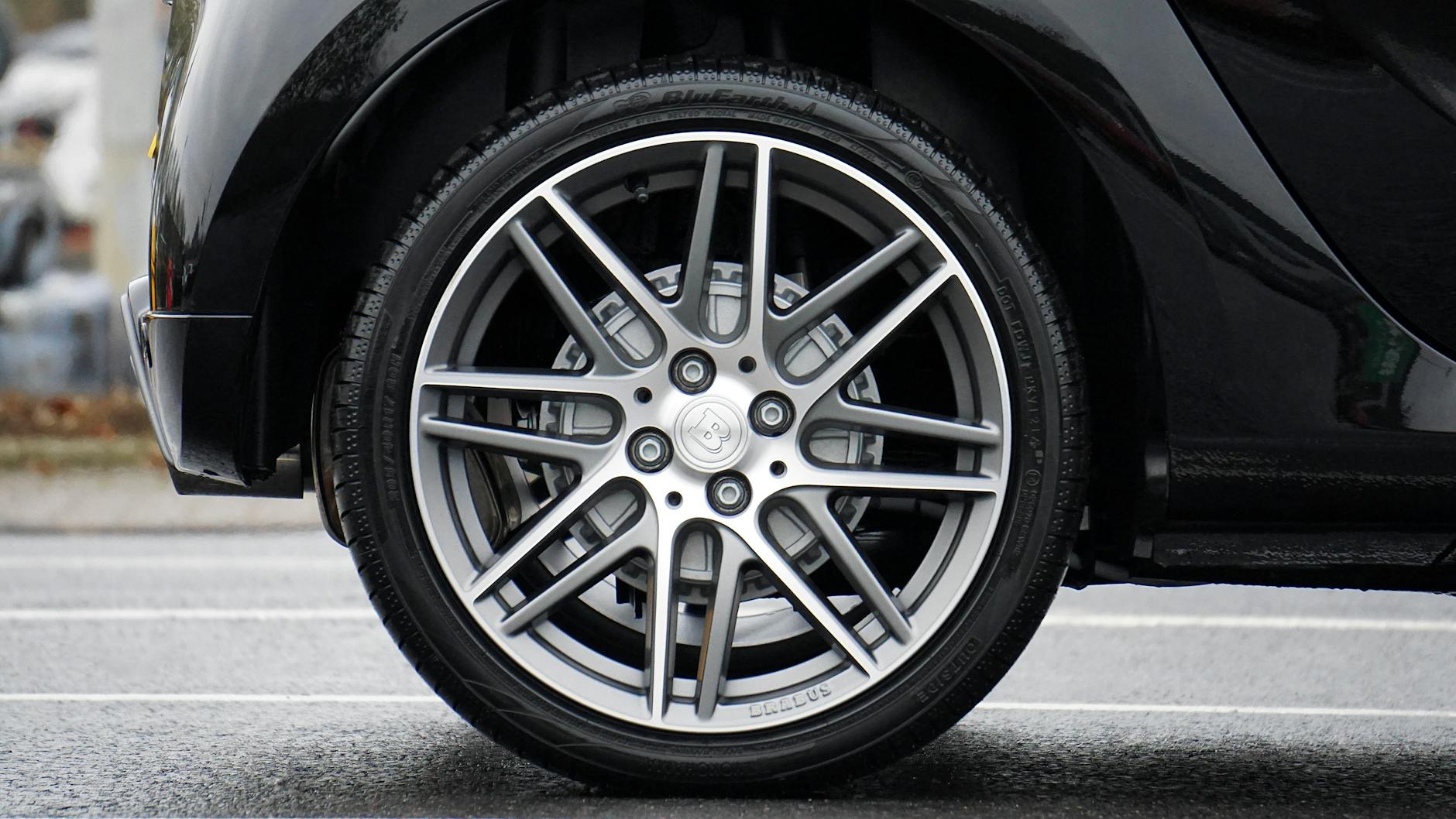
The Model 3 uses a 5x114.3 bolt pattern across all variants and model years. Center bore is 64.1mm. That's the same bolt pattern as a huge number of performance cars — F30 BMW 3 Series, Subaru WRX, Mustang GT — so the aftermarket selection is enormous. Stock offset runs ET38–ET45 depending on trim, which puts you squarely in a range where small offset adjustments (say, ET35–ET40) can meaningfully change stance without causing clearance issues.
Hub-centric fit matters more on EVs than people realize. The Model 3's 64.1mm center bore is not especially common among off-the-shelf aftermarket wheels, most of which ship with a larger bore and include plastic hub rings. Hub rings work fine, but a wheel machined to exactly 64.1mm eliminates any micro-movement during cornering. On a car with regenerative braking torque coming through the drivetrain, that precision matters more than it would on a coasting ICE vehicle. The torque application in one-pedal driving is abrupt and repeatable — every stop cycle loads and unloads the wheel-to-hub interface in a way that gradual ICE deceleration does not. Over tens of thousands of cycles, a sloppily fitted hub ring can wear or deform where a machined bore stays true.
Standard Fitment by Trim
- Standard Range / RWD (all years): 18×8.5 ET38, stock tires 235/45R18
- Long Range AWD: 18×8.5 ET38 front and rear, or optional 19×8.5 ET40
- Performance AWD: 20×8.5 ET35 front, 20×9.5 ET35 rear — staggered from the factory
The Performance variant's factory stagger is modest, but it signals that Tesla engineers wanted rear grip bias on that car. If you're running the Performance and swapping to a square setup, understand you're trading some of that rear cornering stability for easier tire rotation. On a square 19-inch setup, you gain the ability to rotate tires front-to-rear on a normal schedule, which significantly extends tire life — a practical consideration given that the Model 3 Performance's torque output consumes rear tires quickly even without track use.
It's also worth noting that Tesla updated the Performance variant's suspension tune in the 2021 model year refresh, raising the rear ride height slightly and adjusting rear camber from roughly -1.5° to closer to -1.0°. If you're buying used and unsure of the build year, verify camber before committing to an aggressive fitment — the earlier cars have meaningfully more aggressive geometry and more inner clearance for wider rear wheels.
Why Wheel Weight Is a Bigger Deal on an EV
On a Model 3, unsprung mass has a magnified effect compared to a comparable ICE sedan. Here's why: the Model 3 Performance weighs around 4,100 lbs, with a significant portion of that mass sitting low in the floor as battery weight. The suspension has to manage that inertia on every input. Heavy wheels — your typical 24–26 lb cast aftermarket 20-inch — add rotational mass right at the contact patch, blunting steering response and increasing the energy the suspension needs to absorb bumps.
A forged 20-inch wheel for Model 3 typically comes in at 18–21 lbs depending on spoke design and width. Flow-formed wheels land around 20–23 lbs. The difference between a 22 lb forged wheel and a 26 lb cast wheel is 16 lbs across a set — that's real, and you'll feel it in steering weight and ride quality over rough surfaces.
For daily driving this matters practically. For track days at events like those organized through Tesla clubs, it matters even more. The Model 3 Performance already stresses brakes heavily given regenerative braking limitations at high speed; adding rotational mass just compounds thermal load. At high-speed track entries where regen has faded and you're relying on friction brakes, the extra rotational inertia of heavy wheels increases stopping distances in a measurable way. It's not dramatic, but it's the wrong direction.
There's also a secondary efficiency argument specific to EVs. Rotational inertia requires energy to accelerate and energy to decelerate. Every gram of unsprung mass at the wheel adds to what the motor has to work against on acceleration and what regen has to recapture on deceleration. Heavy wheels don't kill your range in isolation, but combined with aerodynamic drag from open spokes and rolling resistance from new tires, the cumulative effect is real enough that owners notice it on their energy consumption screens over time.
Sizing: What Actually Works
18-inch: The sweet spot for ride quality and tire cost. A 18×9.5 ET35 with a 255/40R18 tire fits all non-Performance Model 3 variants without modification. Tire choices at this diameter are excellent — Michelin Pilot Sport 4S, Continental ExtremeContact Sport 02, Bridgestone Potenza S007A all come in 255/40R18. Rolling diameter stays close enough to factory that speedometer error is under 1%. This is also the size range where you'll find the best low-rolling-resistance options if range preservation matters — the Michelin CrossClimate 2 and Bridgestone Ecopia EP500 both come in fitments that work at 18 inches, and both preserve more range than an equivalent performance tire.
19-inch: Where most owners land aesthetically. A 19×9.5 ET35 running 255/35R19 fills the arch well on a stock-height car. The Performance variant at stock height fits 19×10 ET35 rear without rubbing on full lock, though you'll want to confirm clearance on your specific build if you've made any suspension changes. The 19-inch range also offers the broadest selection of quality performance tires at reasonable prices — the Pilot Sport 4S in 255/35R19 is one of the most common enthusiast fitments on Model 3 forums for good reason. It's grippy, wears predictably, and handles the car's weight without complaint.
20-inch: Looks aggressive, particularly on the Performance. Tesla's OEM 20s are heavy cast wheels, so replacing them with forged 20s actually improves the situation on weight. A 20×9 ET35 front and 20×10 ET35 rear with 245/35R20 front and 265/30R20 rear is a proven combination used by multiple owners on Tesla Motors Club and r/TeslaModel3. Ride quality drops noticeably at 20 inches with low-profile tires on anything other than smooth pavement — this is real on Michigan or Northeast roads, and if you live in an area with significant frost heave damage or road patching, budget for the rough ride before committing to 20s.
21-inch and above: Possible, but increasingly impractical. The Model 3's ride height and suspension geometry weren't designed for it, and tire selection in 21-inch with proper load ratings for a 4,000+ lb car narrows quickly. Load index becomes a legitimate constraint here — finding a 21-inch tire with a load rating appropriate for the front axle weight of a Model 3 limits you to a short list of ultra-high-performance options that are expensive and short-lived. Unless you've done a proper air suspension conversion, save 21-inch for show purposes or concours builds where the car isn't being driven aggressively.
TPMS: Don't Skip This
Model 3 uses a tire pressure monitoring system that communicates with each sensor individually. Swap wheels and you need to either transfer your factory TPMS sensors or buy compatible aftermarket units. Schrader EV-series sensors and VDO REDI-Sensor units are the most commonly validated options by the community — both program cleanly to the Model 3's sensor learning process. If you're ordering a full wheel and tire package, have the shop program sensors before mounting. TPMS errors on a Model 3 are persistent — the car will nag you until it's resolved — and in some configurations the warnings can interfere with full Autopilot functionality, specifically limiting the availability of Navigate on Autopilot until the fault clears.
One practical note: if you're running two sets of wheels seasonally (a common approach with winter wheels), buy a second set of sensors for the winter wheels and have both sets programmed. The Model 3 stores sensor IDs, and swapping between two fully programmed sets takes a short sensor-learning drive rather than a trip back to the shop every time you change over.
Finish Options for the Model 3
The Model 3's exterior design is understated and slightly futuristic — clean lines, flush door handles (on older builds), minimal chrome. That aesthetic plays well with certain finishes and poorly with others.
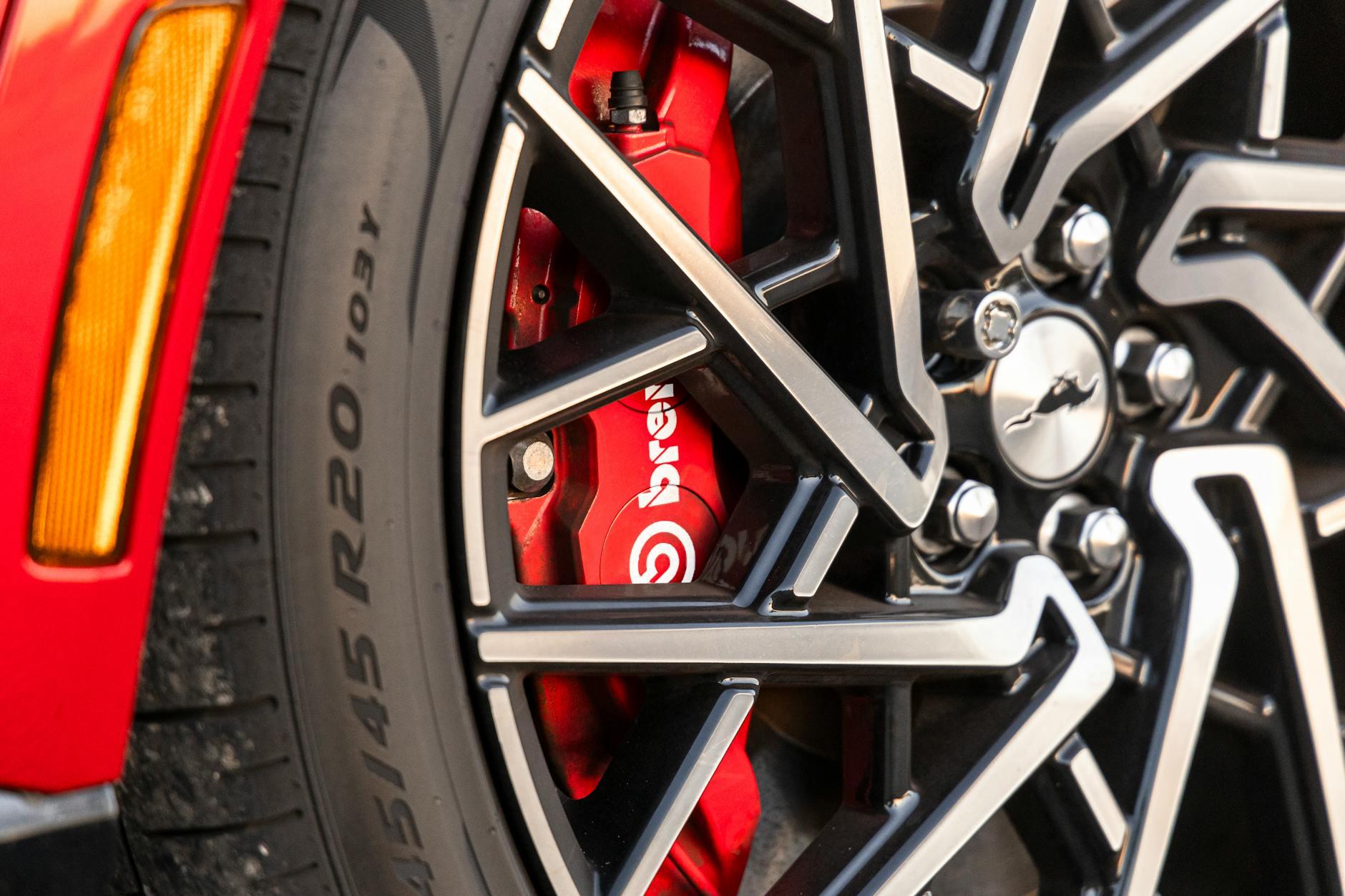
Gloss black and satin black are the most popular choices among Model 3 owners for good reason. They read as intentional on the car rather than retrofitted, especially on Midnight Silver and Deep Blue Metallic paint. The OEM aero caps are already black, so a black wheel continues that visual language cleanly. Satin black in particular holds up well to brake dust visually — it doesn't show contamination the way gloss finishes do, which is a practical advantage on a car where regenerative braking doesn't fully eliminate brake rotor deposits.
Brushed silver / machined face with dark spokes — a two-tone approach — suits the Pearl White Multi-Coat and white exterior variants well. It echoes Tesla's own "Überturbine" design language without copying it directly, and works particularly well on Model 3 builds that have also deleted the chrome trim and added a rear spoiler.
Hyper silver (bright machined) works on the Sport Red and Midnight Silver trims. It adds contrast without being loud, and photographs well in natural light. It's a more conventional look than satin or matte finishes, but it's also more timeless — a hyper-silver wheel won't feel dated five years from now.
Matte bronze has a specific audience — it photographs exceptionally well on the gray and silver paint options and has become a common choice in the modified Model 3 community, particularly on builds that have also done a vinyl wrap in a dark or muted color. Bronze on Midnight Silver with blackout trim is a well-documented combination on Instagram builds. It's a bold call, but it works in context.
Gunmetal and dark tint finishes split the difference between black and silver. They read subtle in most lighting conditions but show depth in sunlight. For owners who want something other than black but don't want the commitment of bronze or hyper silver, gunmetal is a reasonable compromise.
Chrome is generally a poor choice for Model 3 aesthetics. The car doesn't have chrome accents to echo, and it reads as incongruous against the car's otherwise restrained design vocabulary.
Custom Forged vs. Off-the-Shelf
The standard aftermarket route is straightforward: pick a wheel from a catalog, confirm it matches 5x114.3 / 64.1 / ET38-45, order, mount. That works fine for common sizes. Where it breaks down is when you want a specific offset, an uncommon width, or a design that doesn't exist in a catalog SKU.
Custom forged wheels for Model 3 solve that. You specify the exact offset for your suspension setup, the exact width for your tire target, and the finish you want. The lead time is longer — typically 8–12 weeks from a forging partner — but you get a wheel that fits precisely rather than one that approximates your requirements. For owners who've done coilover installs, camber adjustments, or are targeting a specific flush fitment, the ability to dial in offset in 2–3mm increments is genuinely meaningful. A catalog wheel forces you to choose between, say, ET35 and ET38; a custom forged wheel lets you order ET36 or ET37 exactly.
Forged aluminum is also stronger than cast at equivalent weight, meaning designers can remove more material from the same structural geometry. That's how forged wheels achieve the weight savings mentioned earlier. The forging process compresses the aluminum grain structure, aligning it and increasing tensile strength compared to the randomized grain orientation in a cast wheel. For a deeper breakdown of how the manufacturing process drives those differences, the piece on cast vs forged wheels is worth reading.
Flow-formed wheels are a middle ground. The barrel is spun under heat and pressure, improving material density in the stress-bearing rim section without the full cost of a forged billet process. The center section on a flow-formed wheel is still cast, but the barrel — where most road impact damage occurs — benefits from the improved grain structure of the forming process. Flow-formed wheels for Model 3 run $150–$350 per wheel from quality manufacturers — significantly cheaper than full forged — while still beating cast on weight and impact resistance. If budget is the primary constraint, flow-formed is the pragmatic answer. Brands like Enkei, Konig, and Motegi manufacture flow-formed wheels in Model 3 fitments that represent genuinely good value. More detail on how the manufacturing process works is in the flow forged wheels explainer.
Range Impact: What's Real
EPA range figures for Model 3 are calculated on the stock 18-inch aero wheel with cap. Moving to an open-spoke 19-inch aftermarket wheel typically costs 3–6% range in real-world driving, based on owner-reported data from forums like Tesla Motors Club. At 20 inches with a stickier, lower-profile performance tire, you might see 5–8% range reduction. On a Long Range Model 3 rated at 358 miles, a 6% reduction translates to roughly 21 miles of real-world range — noticeable for long-distance drivers, inconsequential for most daily use patterns.
The variables are aerodynamic drag from the wheel face, rolling resistance from the new tire compound, and any weight increase. A lightweight forged wheel with a low-rolling-resistance tire in the same diameter can partially offset the aero penalty. If you're range-conscious but want an open-spoke look, an 18-inch forged wheel is a reasonable compromise — you get the visual openness of spokes without the aero and rolling resistance penalties that compound at 20 inches. Some owners have also had success running aftermarket wheels with Tesla's OEM aero caps retrofitted, which aren't designed to fit non-Tesla wheels but can be adapted with the right center cap hardware.
Suspension Modifications and Fitment Clearance
A stock Model 3 has around 4–5.5 inches of clearance between the tire sidewall and the inner fender liner, depending on trim. That's enough room to run a slightly wider wheel (up to 10 inches on the rear of a Performance) without spacers.
If you've lowered the car — KW V1/V3 coilovers are among the most common in the community, along with H&R Sport springs for a more budget-friendly option — clearance decreases. A 25–30mm drop typically reduces that inner clearance by 8–12mm at full droop. Running ET30 or lower on a lowered car risks contact on full steering lock at the front, particularly with 9.5-inch or wider fronts. This is especially relevant for Model 3 owners who've installed KW V3 coilovers at aggressive settings and then tried to run a catalog wheel at ET35 — the combination can work, but it requires verification on the actual car before driving at speed. Custom offset wheels let you hit ET35–38 even in wider sizes, which keeps the tire path clear through the full steering arc.
For detailed guidance on offset math and how to spec it correctly for your specific setup, the custom offset wheels guide walks through the calculations step by step.
Buying Strategy
Start with your actual use case. Daily driver with highway miles: prioritize weight and rolling resistance, probably 18 or 19-inch, flow-formed or forged. Track days mixed with street: forged 19s, staggered on Performance variant, sticky compound. Show car: whatever aesthetic you want, just budget for proper tires that meet load ratings.
Avoid ultra-cheap cast wheels from generic catalog brands for a Model 3. The car is heavy, and it loads its wheels differently than a conventional sedan — regen torque loads the wheel interface abruptly, and the high curb weight means potholes and expansion joints transfer significant impact energy to the rim. Cast wheels from unknown manufacturers can crack under repeated load cycles on rough roads, and a failed wheel on a car with Autopilot engaged is a serious situation. If budget is tight, a quality flow-formed wheel from a real manufacturer beats a cheap cast wheel from an unknown source every time. For a realistic look at what the low end of the market actually delivers, cheap aftermarket wheels is direct about the tradeoffs.
For a broader look at the full process of speccing and ordering aftermarket wheels across any platform, the aftermarket car wheels buying guide covers the fundamentals that apply regardless of vehicle.
If you want to explore Tesla-specific aftermarket options beyond just the Model 3, the Tesla aftermarket wheels complete guide covers Model S, Model X, and Model Y fitment alongside the 3.
What ForgedToFit Does Differently
ForgedToFit builds wheels through a 15-year OEM forging partner — the same facilities that supply major automakers — and ships direct. A set of custom forged 19-inch wheels for a Model 3 typically comes in at $800–$1,400 for a set of four, depending on design complexity and finish. That's 50–70% less than you'd pay for equivalent quality from legacy forged wheel brands, and it comes with a 5-year warranty.
The process: you browse designs or upload your own concept, we quote, produce a 3D CAD render for approval, then manufacture and ship. Offset, width, center bore, and finish are all specified to your exact requirements — including the 64.1mm center bore machined directly into the wheel rather than patched with a hub ring. For Model 3 owners who've been quoted $3,000+ from HRE or Vossen for a similar quality forged set, the math is stark. The same forging quality, the same finish durability, the same structural integrity — at a price point that competes with quality flow-formed catalog wheels rather than boutique heritage brands.
Frequently asked questions
What bolt pattern does the Tesla Model 3 use for aftermarket wheels?
The Model 3 uses a 5x114.3 bolt pattern across all trims and model years. The center bore is 64.1mm. Offset ranges from ET35 to ET45 depending on trim, with the Performance variant running ET35 on its factory 20-inch staggered setup.
Will aftermarket wheels hurt my Tesla Model 3's range?
Yes, modestly. An open-spoke 19-inch aftermarket wheel typically reduces real-world range by 3–6% compared to the factory 18-inch aero wheel with cap. At 20 inches with a performance tire, expect 5–8%. Using a lightweight forged wheel with a low-rolling-resistance tire minimizes the penalty.
Do I need to replace TPMS sensors when swapping wheels on a Model 3?
You need TPMS sensors in every wheel. Either transfer your factory sensors to the new wheels or buy compatible aftermarket units (Schrader EV-series works). The sensors need to be programmed before mounting — the Model 3 will display persistent warnings and potentially limit Autopilot functionality if TPMS is unresolved.
What's the biggest wheel size that fits a stock-height Model 3 without rubbing?
On a stock-height car, 20×9.5 ET35 front and 20×10 ET35 rear is a proven fitment for the Performance variant. For Standard Range and Long Range, 19×9.5 ET35 fits cleanly. 21-inch wheels are possible but require careful offset selection and limit tire choices, particularly for the load ratings needed on a 4,000+ lb vehicle.
Are forged wheels worth it for a Tesla Model 3?
For most owners, yes — specifically because of weight. A quality forged 20-inch wheel runs 18–21 lbs versus 24–26 lbs for a typical cast aftermarket wheel. That's 16 lbs of rotational mass removed from the set, which improves steering feel and suspension response. On a heavy EV where unsprung mass already works harder, that difference is tangible.
Can I run a square wheel setup on a Model 3 Performance?
Yes, but understand the tradeoff. The Performance is staggered from the factory (20×8.5 front, 20×9.5 rear) to bias rear grip. Going square makes tire rotation possible and can improve handling balance if you prefer a neutral setup, but you lose some of that rear cornering stability the factory configuration provides.