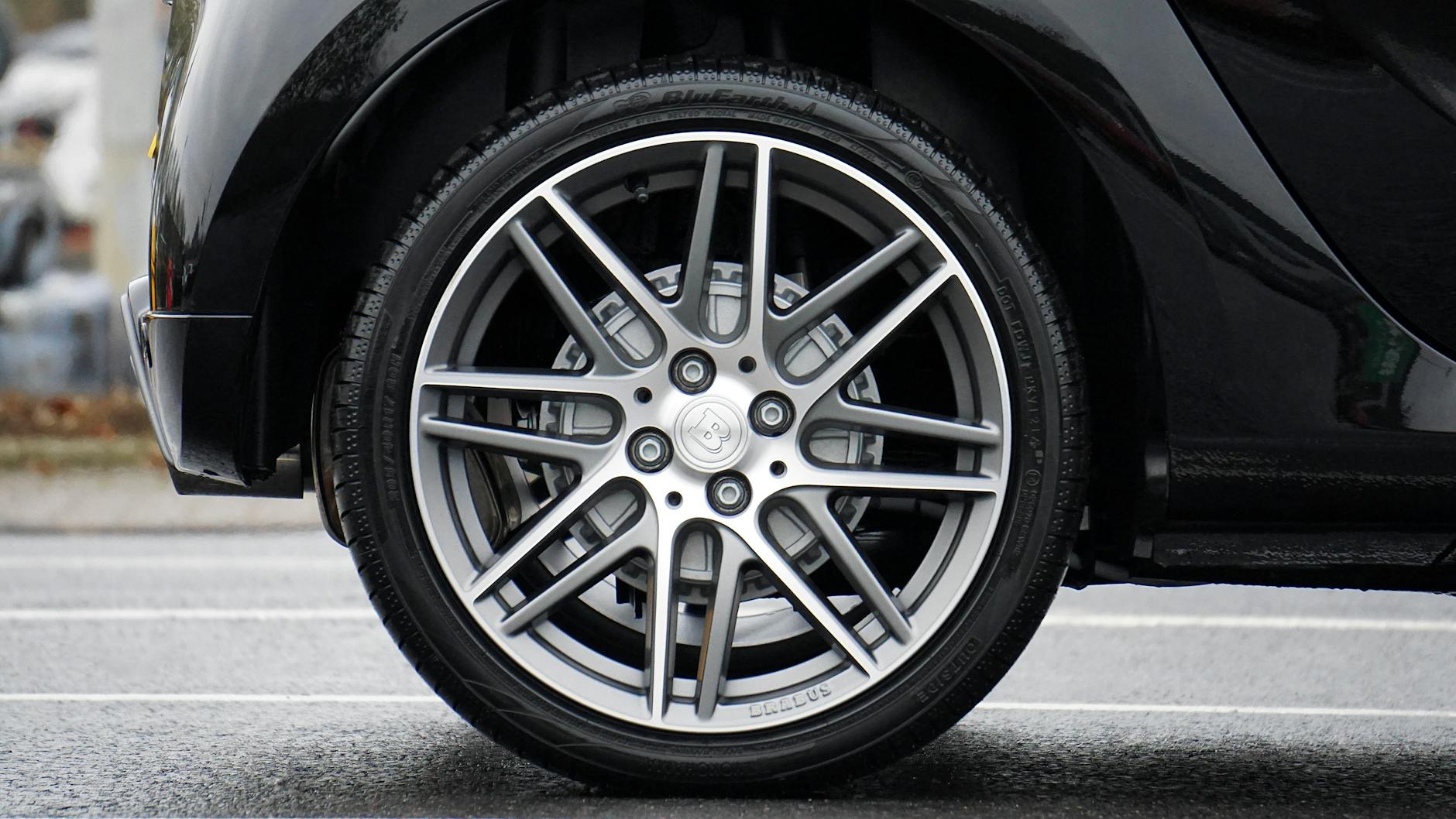
Forged Wheels Custom Finish: The Complete Guide

The finish on a forged wheel is the last thing applied and the first thing everyone sees. It also happens to be one of the most misunderstood parts of the custom wheel ordering process. People spend weeks agonizing over spoke count and offset, then pick a color in five minutes because it looked good on someone else's Instagram post. That's backwards. A forged wheels custom finish decision should be driven by how you use the car, where you live, how much upkeep you're willing to do, and what look you're actually trying to achieve — not what's trending.
This guide covers every major finish category, how they're applied to forged aluminum, what they cost in real terms, how they hold up, and which platforms and builds they suit best.
Why Finish Matters More on Forged Wheels Than Cast
Forged aluminum is denser and more dimensionally precise than cast alloy. That density means the surface is genuinely smooth before any coating goes on — no porosity, no micro-voids, no surface defects that need to be masked. That's a good thing, but it also means any finish applied to forged aluminum has nowhere to hide. Prep work and application quality show up immediately.
On a cast wheel, a thick powder coat can smooth over small imperfections. On forged aluminum, the finish sits on an essentially flawless substrate, which means a thin, even, perfectly applied coating looks dramatically better — and a sloppy application looks worse. This is why high-end finishers who work with forged blanks charge more, and why it's worth paying them.
It also means your finish options are broader. You can polish forged aluminum to a true mirror without fighting surface pores. You can machine-cut it with precision. You can apply extremely thin PVD coatings that would telegraph porosity on cast wheels. The material enables finishes that simply aren't practical on cheaper wheel construction.
The Main Finish Categories
Powder Coat
Powder coat is the workhorse of the custom wheel finish world, and for good reason. Electrostatically applied dry powder is baked onto the wheel at around 400°F, creating a finish that's thick (typically 2–4 mils), chip-resistant, and UV-stable. It's available in thousands of RAL and custom-mixed colors, in flat, satin, gloss, and textured variants.
For most daily-driven builds — a Mustang GT on 20s, a Model 3 running staggered fitment, an F30 335i with aggressive offsets — a quality single-stage powder coat is the right call. It survives road salt, brake dust, car washes, and curb rash better than most alternatives. Touch-up is straightforward with matching aerosol. A full set of 19-inch wheels can be powder coated for $300–$600 depending on color and complexity, though pricing climbs for multi-stage or specialty powders.
Matte black is the volume leader in powder coat requests, and it earns it. On a dark car it disappears the wheel into the fender, making the tire look like it's floating. On a silver or white car it provides genuine contrast without being loud. The downside: matte finishes are harder to keep clean. Brake dust bonds to porous matte surfaces more aggressively than to gloss. Budget 15–20 extra minutes per wash cycle if you go matte.
For more on matte black specifically, matte black forged wheels covers the tradeoffs in detail.
Brushed and Satin Aluminum
Brushed finishes are applied mechanically — a belt or wheel with a specific grit pattern is run across the face of the forged wheel in a consistent direction, leaving fine parallel lines in the aluminum. The result reads as metallic and textured without being reflective. It's sophisticated without trying too hard.
Brushed aluminum pairs well with German cars — the aesthetic fits naturally on an Audi S5, a BMW M340i, or a Porsche 911. It's also one of the few finishes that photographs correctly across different lighting conditions, which matters if the car goes to shows.
The real question with brushed aluminum is protection. Raw brushed aluminum oxidizes. Most quality finishers apply a clear coat over the brushed surface — either a liquid lacquer or a powder clear — to lock in the look and prevent oxidation. The clear adds a slight sheen, which some people prefer and some don't. A truly raw brushed finish looks amazing for about six months before maintenance becomes a real job.
Brushed aluminum forged wheels goes deep on the different brushing patterns, clear coat options, and long-term care.
Polished and Mirror Finish
Polishing forged aluminum is a multi-step process: rough cut on a lathe or with abrasives, then progressively finer polishing compounds until you hit a mirror. Done properly on forged aluminum, the result is genuinely reflective — you can see yourself in the barrel. It's dramatic, it's old-school, and it requires real commitment to upkeep.
Polished wheels oxidize and water-spot. They need to be waxed or sealed regularly, and they show brake dust almost immediately. On a weekend car or a show car that sees a few hundred miles a year, that's manageable. On something driven daily in Chicago winters, it becomes a part-time job.
A full polish job on a set of forged 19s runs roughly $600–$1,200 depending on wheel complexity and spoke design. Multi-spoke and mesh designs cost more because there's more surface area to work through. Simple 5-spoke designs are quicker.
Diamond Cut / CNC Machined Face
This is where modern custom forged finishing gets interesting. A diamond-tipped lathe cuts the face of the wheel — often just the spoke faces and lip — while the barrel and spoke edges remain powder coated or painted. The contrast between the machined aluminum and the painted surface creates a two-tone effect that looks genuinely premium.
The machine work leaves a tight, consistent spiral pattern in the aluminum that catches light differently depending on angle. Most diamond-cut wheels get a thin clear coat over the machined sections to protect against oxidation. The weakness: if that clear coat fails (stone chip, curb, UV degradation), water gets underneath and causes corrosion that spreads under the lacquer. In wet climates this is a real concern over a 5-year ownership period.
For anyone running 20-inch or larger diameter wheels on a sedan or coupe, diamond cut is worth serious consideration. The larger the wheel, the more face area the machining covers, and the more impactful the look. 20 inch forged wheels has fitment guidance for the most common platforms in that size.
Bronze and Tinted Finishes
Bronze has been the dominant trend in performance wheel finishing for about five years, and it's held on longer than most trends do because it actually works with a wide range of car colors. Dark green, white, silver, gray, and black cars all look good with a bronze or champagne-bronze finish. It provides warmth without being as aggressive as gold.
Bronze finishes are typically achieved one of two ways: a tinted powder coat mixed to the right shade, or a PVD (physical vapor deposition) process that deposits a thin metallic layer. PVD bronze is more expensive but looks more authentically metallic — it has depth that powder-coated bronze can't fully replicate. PVD is also extremely thin, which means it follows the machined surface contours perfectly.
Bronze forged wheels covers this in full, including the PVD vs. powder coat comparison and which bronze shades work on which car colors.
Chrome and Hyper Silver
Traditional chrome plating on wheels involves electroplating over a nickel base. It's heavy, expensive, environmentally problematic, and brittle in cold climates. Genuine triple-chrome on a forged wheel adds roughly 3–5 lbs per corner compared to a painted wheel of the same design. For performance applications, that's a hard sell.
Hyper silver is the practical alternative — a metallic silver powder coat mixed to mimic OEM-style silver, typically with some variation in brightness to create a slightly dimensional look. It's durable, lighter than chrome, and reads as clean and modern. On a Model Y or Tacoma it looks factory-adjacent, which is exactly what a lot of buyers want.
For more on chrome options and the alternatives, custom chrome wheels lays out the full picture.
Two-Tone and Multi-Stage Finishes
Two-tone finishes — typically a darker barrel and spoke back combined with a polished or machined face — are where forged wheel customization really separates from what you can buy off a shelf. The process involves multiple masking, coating, and curing stages. It takes longer and costs more, but the result is a wheel that genuinely can't be replicated in a catalog.
Common combinations: gloss black barrel with brushed face, gunmetal spokes with polished lip, matte gray with bronze inner barrel. For staggered fitment setups on platforms like the C8 Corvette or an M2, where the rear wheel is visually dominant due to width, a two-tone finish on the larger rear wheel adds a lot.
Finish Durability by Climate and Use Case
This part rarely gets discussed honestly. Durability varies significantly by where you live and how you drive.
In the Sun Belt — Arizona, Texas, Southern California — UV degradation is the primary enemy. Matte powder coats fade faster than gloss. Lacquer-protected polished faces check and peel after a few years of intense sun. A UV-stable gloss powder coat or a quality PVD finish outperforms in these conditions.
In northern climates with road salt — Minnesota, New England, Michigan — the barrel and inner lip face chemical attack every winter. The finish on the face is almost irrelevant compared to what happens inside the barrel. A full powder coat including barrel interior and bead seats is non-negotiable. Polished finishes in these markets are a commitment to annual refinishing.
For track and performance driving, heat resistance matters. Brake dust and heat cycles from sustained braking degrade finishes near the hub and barrel. High-temp powder coat formulations exist specifically for this, and they're worth specifying if the car sees lapping days.
Finish and Wheel Construction
The finish you choose can be influenced by whether you're running a 1-piece monoblock, a 2-piece, or a 3-piece wheel. 1 piece forged wheels are finished as a complete unit, which limits some two-tone options — masking and multi-stage work on a monoblock requires precision that adds cost.
2 piece forged wheels and 3 piece forged wheels have separate center and barrel sections that can be finished independently and then assembled. This opens up the full range of two-tone and contrast finishes at lower complexity — you powder coat the center one color, the barrel another, and bolt them together. For builders who want maximum finish customization, this construction is the most practical path.
Ordering a Custom Finish: What to Specify
When you get to the finish stage of a custom wheel order, vague requests lead to disappointment. "Dark gray" is not a specification. A proper finish specification includes:
- Color code or sample: RAL number, a physical chip, or a reference photo with explicit approval that the photo color may vary by monitor
- Sheen level: Flat/matte (10–15% gloss), satin (30–50% gloss), semi-gloss (60–70%), or gloss (85–90%+)
- Application area: Full wheel including barrel, face only, spokes with machined lip, etc.
- Clear coat: Whether or not to apply clear over powder or bare metal sections
- Texture: Smooth, metallic flake, texture coat, or other specialty powders
At ForgedToFit, the 3D CAD stage includes a finish preview so you can see the color and sheen on your actual design before anything goes into production. This eliminates most of the "it looked different online" issues that come from ordering on faith.
Maintenance Expectations by Finish Type
Every finish eventually shows wear. The question is how much work you're willing to put in.
Gloss powder coat is the lowest-maintenance option. A quality wheel soap, a soft brush for spokes, and a quick dry is all it needs in most conditions. Satin and matte powder coat needs the same process but more frequency — brake dust and road film are harder to see building up, and they bond more aggressively to lower-gloss surfaces.
Polished and machined finishes need wax or sealant applied regularly — quarterly minimum in most climates, monthly if you're in a wet environment. Without it, water spots etch into the aluminum and create dull patches that require re-polishing.
PVD finishes are surprisingly robust. The deposition layer is hard, and most PVD finishes don't require anything beyond normal washing. The risk is mechanical damage — a curb hit that scrapes through PVD leaves a raw edge that can oxidize, and PVD is not as straightforward to touch up as powder coat.
For anyone considering how finish interacts with full wheel and tire setup decisions, aftermarket wheels and tires covers the broader setup picture.
What Custom Finishes Actually Cost
Finish cost is separate from wheel cost and should be budgeted independently. Rough figures per set of four wheels:
- Single-color gloss or satin powder coat: $250–$500
- Matte or specialty powder (metallics, textures): $400–$700
- Full polish: $600–$1,200
- Diamond cut face with powder base: $500–$900
- PVD finish: $800–$1,500
- Two-tone multi-stage powder: $600–$1,000
- Chrome plate (if you must): $1,200–$2,500+
These ranges assume a shop doing quality work with proper prep. The prep — chemical strip, sand blast, etch — is where corners get cut at low-price shops, and it's the step that determines whether the finish lasts three years or ten.
Frequently asked questions
What is the most durable finish for forged wheels?
For daily-driven cars, a high-quality gloss powder coat is the most practical and durable option — it resists UV, salt, and chips better than polished or lacquered finishes. PVD finishes are comparably durable and more visually complex, but cost significantly more. For pure longevity in harsh climates, gloss powder coat including the barrel interior is the right call.
Can I match a factory OEM color on custom forged wheels?
Yes. Most OEM wheel colors are replicable in powder coat using RAL or custom-mixed formulas. Hyper silver, anthracite, and gloss black are the most common OEM-match requests and are straightforward to spec. For more unusual factory colors — BMW's frozen finishes, for example — provide a physical chip or a very specific reference and confirm the match with a test piece before full production.
Does the finish add significant weight to forged wheels?
Powder coat adds very little — typically 50–150 grams per wheel depending on coverage area and coat thickness. Polished finishes add nothing. Chrome plating is the outlier, adding 3–5 lbs per wheel due to the plating base layers. For performance builds where rotating mass matters, chrome is genuinely counterproductive, and PVD or powder coat is the smarter choice.
How long does powder coat last on forged wheels?
A properly prepped and applied powder coat on forged aluminum should last 7–10 years in normal conditions before showing significant fading or chipping. In harsh climates with road salt, or on track cars with sustained heat cycling, budget for refinishing at 5–7 years. The prep work — blast, etch, prime — determines longevity more than the powder itself.
Can forged wheels be refinished after the original coating wears or gets damaged?
Yes. One advantage of forged aluminum is that it can be stripped and refinished multiple times without structural issues, unlike cast wheels that can warp under heat stripping. Powder coat is stripped chemically or by sand blast. Polished finishes can be re-cut and re-polished. PVD requires professional stripping before reapplication. Budget $200–$600 per set for refinishing depending on the finish type.
What finish works best for a track or performance build?
Gloss or satin powder coat in a heat-resistant formulation is the go-to for track use. It handles thermal cycling from sustained braking, cleans up with minimal effort between sessions, and if a spoke gets kerbed in the paddock, touch-up is simple. Avoid polished or diamond-cut finishes for track use — heat and brake dust degrade them quickly, and maintenance between sessions is impractical.