Model Y Aftermarket Wheels: The Complete Guide

The Tesla Model Y is one of the best-selling vehicles in the world right now, which means the aftermarket has caught up fast — and so has the noise around what wheels actually work on it. Some of that information is solid. A lot of it isn't. This guide covers Model Y aftermarket wheels from the spec level up: what fitment means on this platform, why weight matters more here than on most ICE cars, what sizes actually work, and how to get a set of custom forged wheels without spending HRE money.
Why Wheel Choice Matters More on a Model Y
On a gas car, heavier wheels cost you a little throttle response and maybe 1–2% in fuel economy. On the Model Y, unsprung mass hits differently. Every extra pound per wheel works against the regenerative braking system's efficiency, adds rolling resistance, and — on Performance models especially — blunts the instant-torque response that makes the car fun in the first place.
Tesla's OEM wheels aren't light. The standard 19" Gemini wheel on the Long Range AWD is a steel wheel with a plastic aero cover that weighs around 32 lbs. The 20" Induction on the Performance is a cast aluminum that comes in closer to 28 lbs but loses the aero benefit. A properly made forged or flow-formed aftermarket wheel in the same size can run 18–22 lbs — a genuine 6–10 lb per corner reduction. Across four corners that's 24–40 lbs of unsprung mass gone, and you'll feel it.
Range impact is real too. Tesla's own data shows a 1–3% range penalty moving from 19" to 20" wheels. Heavier 20" cast aftermarket wheels can eat another 1–2%. A lighter forged 20" can essentially recover that — you get the look of the larger wheel without the full efficiency penalty.
Model Y Fitment Specs: What You Need to Know
Before you look at any wheel, lock in these numbers:
- Bolt pattern: 5×114.3 (applies to all Model Y variants)
- Center bore: 64.1mm
- Hub-centric requirement: Yes — Tesla hubs are precision-machined, and wobble from a loose-fitting center bore causes vibration at highway speeds. You need either a hub-centric ring or a wheel bored to 64.1mm exactly.
- Stock lug nuts: Tesla uses 14×1.5 thread pitch, and the seat is a proprietary conical angle. Aftermarket wheels need to use the correct seat angle or you need aftermarket lug nuts to match.
Offset runs 40–45mm on most Model Y configurations. The Long Range RWD and AWD variants generally have more clearance to run a slightly more aggressive (lower) offset than the Performance, which already sits lower and has less room before the spoke contacts the inner caliper. A +38mm offset on a 20×9 is usually fine on LR; on Performance, confirm clearance before ordering.
Sizing That Actually Works
19" wheels — This is the OEM size on standard and LR trims. Going aftermarket at 19" is the most range-neutral choice and gives you the widest tire selection. A 19×8.5 or 19×9 with a 235/45R19 tire is a clean, functional setup.
20" wheels — The sweet spot for most Model Y owners upgrading aesthetics. The Performance comes OEM with 20s. A 20×9 or 20×9.5 with a 255/40R20 fills the arch well without rubbing. This is where the forged vs. cast weight argument matters most — at 20", the heavier cast wheels start adding up.
21" wheels — Possible, but you're compromising. Tesla actually offers a 21" option from the factory on some Performance configurations (20×9 front, 21×9 rear). Aftermarket 21s require careful offset selection and limit you to lower-profile tires that sacrifice ride quality on the Model Y's already firm suspension. Unless you're doing track events, 21" is mostly aesthetic.
22" wheels — Not recommended. Clearance gets tight, TPMS sensors can be harder to seat, and you're putting a 25-series tire on a family SUV. On a stock suspension height Model Y, 22s will rub under compression or on full lock on most setups.
TPMS: The One Thing People Get Wrong
Tesla uses a proprietary TPMS system, and this is where a lot of Model Y wheel upgrades go sideways. The OEM sensors are specific to Tesla — they communicate directly with the car's BMS and display individual tire pressures. If you swap to generic 433MHz aftermarket sensors, the car will display a warning and won't show individual readings.
You have two real options: transfer your OEM sensors to the new wheels (requires a tech with the right tool to remove and reinstall without damaging the sensor housing), or buy Tesla-compatible aftermarket TPMS sensors (brands like Autel, Schrader, and a few others make compatible units). Don't skip this. The Model Y's TPMS isn't just a warning light — it's integrated into the vehicle's safety logic.
Forged vs. Cast for the Model Y
This deserves a direct answer because the price gap is real. A cast wheel set for a Model Y runs $400–$900 for the set. A forged set from a legacy brand runs $2,500–$6,000+. Flow-formed wheels land in the middle at $800–$1,400.
For the Model Y specifically, the weight argument strongly favors forged or flow-formed construction. The efficiency gains from reducing unsprung mass are measurable, not theoretical. A cast wheel at 28 lbs vs. a forged wheel at 19 lbs at 20" diameter — that's a 36% weight reduction per corner.
The durability argument matters too. The Model Y is heavy — around 4,400 lbs for an AWD Long Range. That's a lot of weight on four wheels, and cheap cast wheels flex under load in ways that affect handling feel and longevity. For a vehicle this heavy, a proper forged or flow-formed wheel isn't a luxury — it's appropriate engineering.
For a detailed breakdown of the manufacturing differences, the article on cast vs forged wheels covers the metallurgy without the marketing spin. And if you want to understand the middle ground, flow forged wheels are worth understanding before you decide.
Finish Options and the Aero Question
Tesla's Gemini wheel uses a plastic aero cover over a steel wheel — it's ugly, but it's functional. Real-world testing by Tesla and third parties shows the aero covers add 3–7 miles of range on a full charge at highway speeds. That's not nothing.
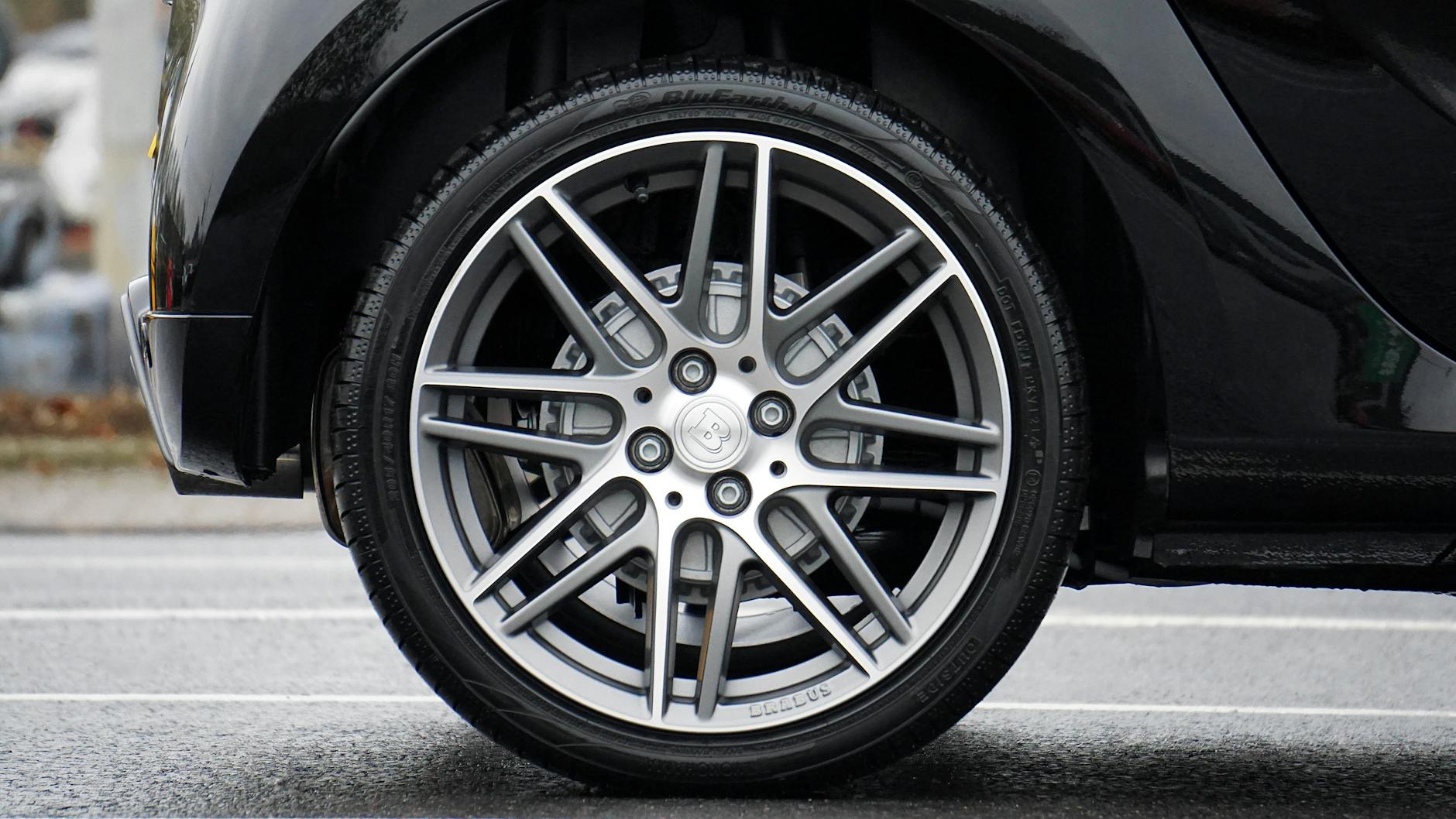
If you're replacing the OEM 19s with aftermarket wheels, you're giving up that aero cover. You can offset some of this by choosing a wheel with a more closed face design — fewer and narrower spokes, deeper dish to reduce air turbulence around the brake assembly. A 10-spoke mesh-style or turbine design will outperform a wide 5-spoke open design aerodynamically, though neither will match a dedicated aero cover.
Finish-wise, Model Y owners tend to gravitate toward matte black, gloss black, or machined dark face finishes. Gunmetal reads well against both white and black Model Y colors. Brushed silver works on red or blue. Full gloss silver tends to look dated on the Model Y's clean lines. If you're going to a custom finish, the custom wheels visualizer approach — getting a 3D render on your actual car color before committing — is worth doing, especially on a vehicle this visible.
Specific Setups Worth Considering
Model Y Long Range AWD — street/daily use: 20×9 +42mm, 255/40R20, forged or flow-formed. This adds 1" of diameter over stock 19s, fills the arch properly, and keeps weight in check. Ideal for owners who want the look without hurting range.
Model Y Performance — aggressive fitment: 20×9.5 +38mm front and rear with 255/40R20 all around. You can run a square setup here unlike the staggered Performance fitment from the factory. This gives you tire rotation flexibility and a more aggressive stance without the rear-biased offset that limits your options. Check caliper clearance with a physical fitment test before finalizing the order.
Model Y Standard Range — budget-conscious upgrade: Stick with 19" in a lighter aftermarket alloy. Even a well-made flow-formed 19" at 20 lbs will outperform the OEM Gemini/cover combo at the same size, and you preserve the range-optimal diameter.
What Custom Forged Wheels Actually Cost on a Model Y
The legacy forged brands — HRE, Vossen, BBS — will charge $2,500–$6,000 for a set of four in Model Y sizes. That price includes significant brand premium and North American manufacturing overhead. You're paying for the name as much as the wheel.
What most people don't realize is that OEM forging suppliers — the same factories making wheels for automakers — have spare capacity and can produce the same quality at a fraction of the cost when you order direct. ForgedToFit works with a 15-year OEM forging partner to deliver custom forged and flow-formed wheels at 50–70% less than those legacy brands, with a 5-year warranty. A set of forged Model Y wheels that would run $4,000+ from a heritage brand comes in at $1,200–$1,800 through us.
The process is straightforward: you pick a design from our catalog or upload your own, we provide a quote, build a 3D CAD model for your approval, then manufacture and ship direct to your door. The specs — bolt pattern, center bore, offset, width — are built to your exact configuration, not adapted from a generic blank.
For context on how this pricing compares to the broader market, the guide on aftermarket wheels breaks down what drives cost at every tier.
Getting Fitment Right the First Time
The biggest mistake Model Y owners make when ordering aftermarket wheels is guessing on offset or assuming their year's specs match what they read in a forum post from 2021. Tesla has made mid-cycle changes to suspension geometry on the Model Y — not dramatic, but enough to matter at the limits of fitment.
Measure your current offset if you have access to a wheel off the car. Use a straight edge across the face and measure to the hub mounting surface — that's your current offset baseline. If you want a more aggressive look (wheel sitting outward), you'll run lower offset. If your OEM is 45mm and you want more flush fitment, 38–42mm is the range to target.
For a deeper look at offset and how it affects stance and clearance, the custom offset wheels guide is specific and practical.
Spacers are not a substitute for correct offset. They shift the wheel outward but introduce a lever-arm load on the hub bearing that the bearing wasn't designed for. On a 4,400-lb AWD vehicle that's going to see highway miles and regenerative braking loads, avoid them.
Tire Pairing for Model Y Aftermarket Wheels
The Model Y's stock tires are typically Michelin Primacy or Continental ProContact in 19", and Pirelli P-Zero or Michelin Pilot Sport 4S in 20" Performance spec. All of these are EV-optimized — low rolling resistance, reinforced sidewalls to handle the weight of the battery pack.
When you switch to aftermarket wheels, don't just mount whatever's cheapest. The Model Y's weight (especially AWD variants near 4,500 lbs) requires a tire with adequate load rating. Check the XL rating. A standard 255/40R20 in a non-XL version may technically fit but will be underrated for the vehicle's axle weight. Michelin Pilot Sport EV, Continental SportContact 7, and Pirelli P Zero PZ4 EV are all purpose-built for heavy EVs and pair well with aftermarket forged wheels.
The full guide on aftermarket wheels and tires covers load ratings, speed ratings, and how to spec a complete setup if you want to go deeper on this.
The Tesla-Specific Ecosystem
If you're also considering wheels for a Model 3, Model S, or want to understand the broader Tesla wheel aftermarket, Tesla aftermarket wheels covers the full lineup. The Model 3 shares the 5×114.3 bolt pattern with the Model Y but has different offset requirements and a 57.1mm center bore on older variants — don't mix up the specs. The Tesla Model 3 aftermarket wheels guide is worth reading if you're cross-shopping or have a multi-Tesla household.
The Model Y platform is mature enough now that fitment data is well-established. The risk of getting it wrong is lower than it was in 2020–2021, but the fundamentals still apply: get the center bore right, verify offset against your specific trim, use proper TPMS sensors, and don't skimp on construction quality for a vehicle this heavy.
Frequently asked questions
What bolt pattern does the Tesla Model Y use?
5×114.3 across all Model Y variants — Standard Range, Long Range, and Performance. The center bore is 64.1mm, and Tesla uses a 14×1.5 lug thread pitch with a proprietary conical seat angle. Any aftermarket wheel needs to match these specs exactly, especially the center bore, to avoid vibration at speed.
Will aftermarket wheels hurt my Model Y's range?
It depends on the wheel. Heavier cast wheels at larger diameters can reduce range by 2–4%. Lighter forged or flow-formed wheels — particularly at the OEM 19" diameter — can offset or even recover that range penalty compared to the heavy OEM Gemini steel wheels with aero covers. If range is your priority, stay at 19" and choose a lighter forged wheel with a more closed face design.
Can I use regular TPMS sensors on Model Y aftermarket wheels?
No. Tesla uses a proprietary TPMS system that requires sensors compatible with its communication protocol. Generic 433MHz sensors will cause a persistent warning light and won't display individual tire pressures. Transfer your OEM sensors or buy Tesla-compatible aftermarket sensors from brands like Autel or Schrader. This is a non-optional part of any Model Y wheel swap.
What's the best wheel size for a Model Y Performance?
The factory 20" is the right call for most owners. A 20×9.5 with a +38mm offset and 255/40R20 tires gives you a flush, aggressive stance and works with both a square setup (same size front and rear) or the factory staggered arrangement. Going to 21" is possible but compromises ride quality noticeably and limits tire options. Stick with 20" unless you have a specific reason to go larger.
Are forged wheels worth the cost on a Model Y?
Yes, more so than on most ICE vehicles. The Model Y's weight (4,300–4,500 lbs depending on variant) and instant-torque drivetrain mean that unsprung mass reduction has measurable, real-world effects on efficiency and feel. A forged wheel at 19 lbs vs. a cast at 28 lbs at 20" diameter is a 9 lb per corner difference — 36 lbs total. That's significant. And with custom forged wheels now available at 50–70% below legacy brand pricing through direct-to-consumer suppliers, the cost barrier is much lower than it used to be.
What offset should I run on Model Y aftermarket wheels?
OEM offset sits around +40–45mm depending on trim. For a flush look without fitment issues, target +38–42mm on a 20×9 or 20×9.5. Going below +35mm on the Performance trim risks contact with the front caliper under steering lock. Measure your current offset before ordering if you can, and always confirm with a physical test fitment on the car before the full set of tires is mounted.