Monoblock Wheels for Mercedes: The Complete Guide
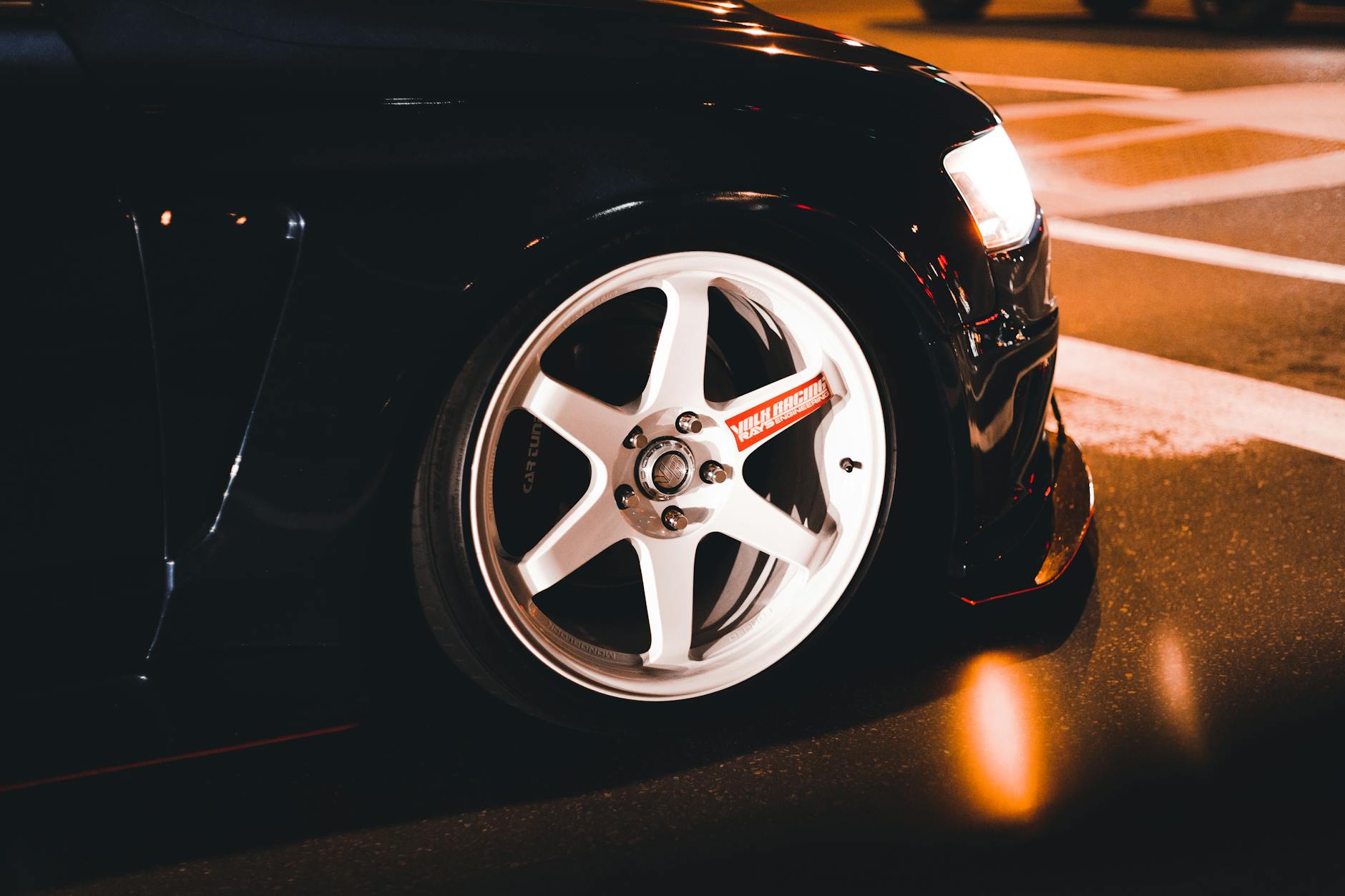
Mercedes-Benz has been fitting monoblock-style wheels to its performance models since the mid-1990s, and for good reason. A single-piece wheel is structurally superior, lighter for its diameter than a comparable multi-piece design, and visually cleaner — no seams, no exposed hardware, no secondary finish variation between barrel and face. For a brand that spends considerable engineering effort on unsprung mass, the monoblock philosophy makes complete sense. The question for owners isn't really whether to run monoblock wheels on a Mercedes. It's which spec, which construction method, and at what price point.
What "Monoblock" Actually Means on a Mercedes
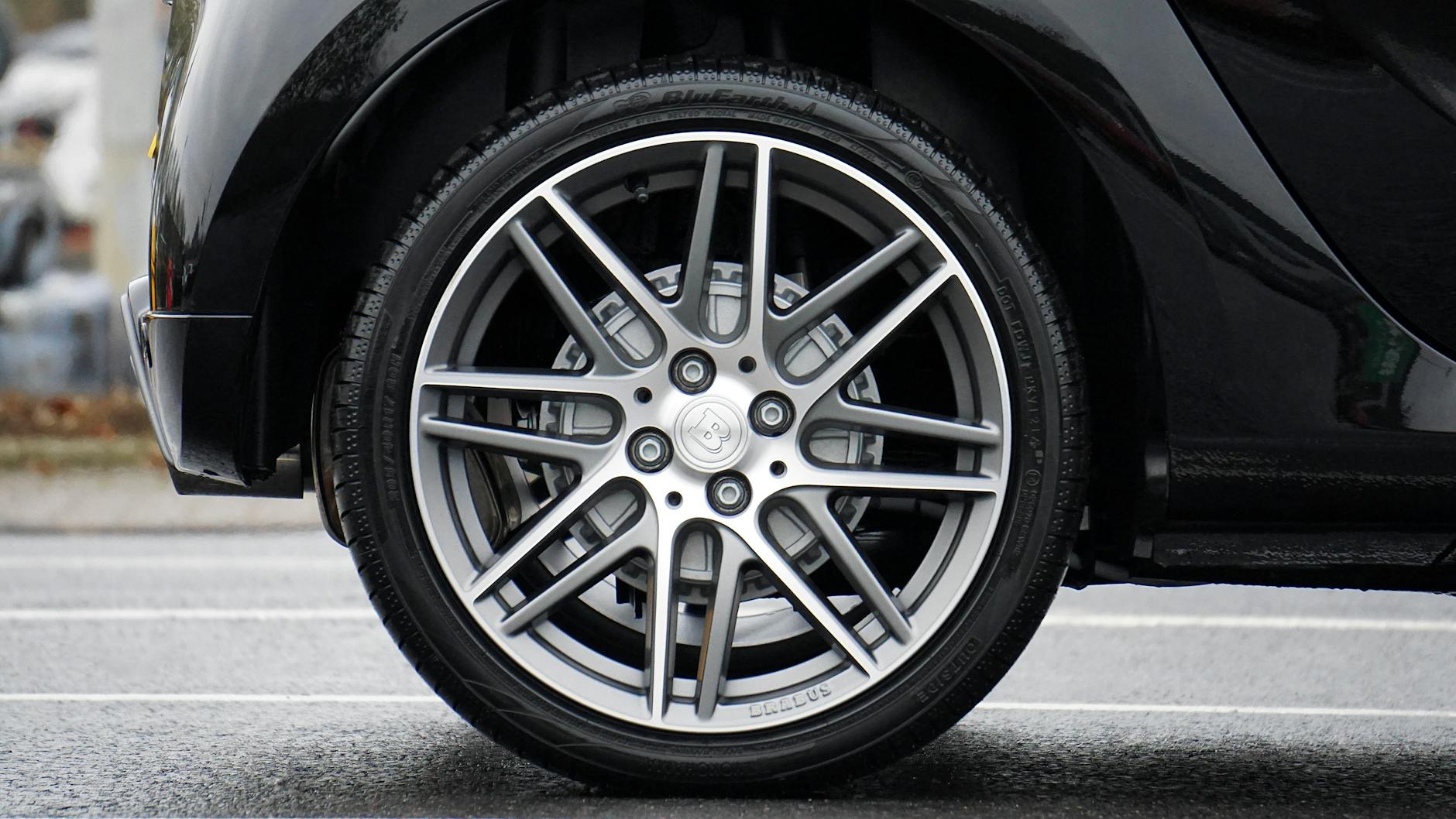
The term gets used loosely, so it's worth being precise. A monoblock wheel is machined from a single forged or cast aluminum billet — face, barrel, and lip are one continuous piece of metal. There are no bolted barrels, no welded sections, no press-fit lips. Mercedes AMG used the word "Monoblock" as an actual product name on wheels fitted to the W210 E55 AMG, early W220 S-Class AMG, and C-Class variants in the late 1990s and early 2000s. Those original AMG Monoblock wheels — typically 18×8.5 and 18×9.5 staggered fitments — became iconic enough that the style spawned an entire category of replica and inspired designs.
Today, "monoblock wheels for Mercedes" refers to both genuine AMG-style designs and the broader category of single-piece forged wheels that suit the platform. If you want a deep dive on the original AMG-specific designs, our AMG Monoblock Wheels: The Complete Guide covers that history in full. This article focuses on the practical side: what to run on modern Mercedes platforms, how construction choices affect your outcome, and how to get a custom set built without paying Brabus-level prices.
Which Mercedes Platforms Matter Most
Not every Mercedes is a compelling wheel upgrade candidate, but several platforms come up constantly:
C-Class (W205, W206) — The C43, C63, and C63 S are the obvious targets. The W205 C63 S runs 255/35R19 front and 285/30R19 rear on factory staggered fitments. Aftermarket monoblock wheels for this car typically run 19×9 ET30–35 front and 19×10.5 ET22–28 rear, though 20-inch fitments are increasingly common on lowered cars.
E-Class (W213) — The E53 and E63 S are the performance variants worth focusing on. The E63 S runs 265/35R20 front and 295/30R20 rear from the factory. Staggered 20-inch monoblock wheels in 20×9.5 and 20×11 are the benchmark upgrade spec for this car.
S-Class (W222, W223) — These are big, heavy cars (4,200–4,700 lbs depending on spec), so load ratings matter. You need wheels rated to at least 750 kg per corner. A forged monoblock handles this easily; a cheaply cast wheel might not.
GLE, GLC, and other SUVs — These platforms run 5×112 bolt pattern like the rest of the Mercedes lineup, but they need higher offsets (typically ET40–ET50) to clear fender geometry. Monoblock fitments exist for them, but the visual payoff is less dramatic than on a lowered sedan.
SL-Class (R231, R232) and AMG GT — Low-volume, high-interest. The AMG GT runs 19×9 ET27 front and 20×11 ET23 rear on the base car, with larger options on the S and R variants. These platforms reward careful fitment work.
All modern Mercedes passenger cars share the 5×112 bolt pattern with a 66.6mm center bore. That consistency makes wheel sourcing straightforward compared to brands that vary bolt patterns across generations.
Forged vs Cast: The Mercedes Case Is Clear
On a base-trim GLC with stock suspension and moderate driving, a quality cast monoblock wheel is probably fine. On a C63 S that sees track days, a lowered E63 S on 20s, or any AMG variant carrying real performance expectations, the forged option wins without much debate.
Here's why it matters specifically for Mercedes: these cars are heavier than their European competitors. A W206 C63 S tips the scales at roughly 3,900 lbs. A W213 E63 S is over 4,400 lbs. Unsprung mass reduction — the actual mechanical benefit of forged wheels — has more impact on a heavy performance sedan than it does on, say, a 3,100-lb Porsche Cayman. Swapping from a 28-lb cast wheel to a 20-lb forged monoblock across four corners removes 32 lbs of unsprung mass. You feel that in steering response and transient handling.
Forged aluminum is also denser and tougher per unit weight than cast aluminum. A forged monoblock at 20 lbs carries a higher load rating than a cast wheel at 24 lbs. For reference, our breakdown of forged monoblock wheels covers the metallurgy in more detail if you want the specifics on grain structure and how the forging process affects material strength.
Flow-formed wheels occupy the middle ground — a cast center spun and pressure-formed at the barrel under heat. They're lighter than full-cast and structurally better in the barrel area, but the center hub section remains cast. For a daily-driven GLC or C300 on conservative fitments, flow-formed monoblock wheels are an excellent value option. For anything with track intent or extreme fitment, full forged is the right call. See our flow forged wheels article for a more complete comparison.
Sizing and Offset: Getting Fitment Right on a Mercedes
Mercedes fitment is predictable once you understand the platform geometry, but there are a few traps.
The Stagger Question
Most AMG variants run staggered fitments from the factory — wider rears than fronts. The C63 S goes 9.0" front / 10.5" rear. The E63 S goes 9.5" front / 11.0" rear. Replicating this stagger with aftermarket monoblock wheels is the factory-faithful approach, and it works well with the stock brake bias and torque vectoring calibration on the rear-biased all-wheel-drive cars.
Square fitments (same width front and rear) make more sense if you want tire rotation flexibility or you're building a dedicated track setup where you can tune the balance through tire compound selection rather than geometry. On a rear-wheel-drive C63, square 19×10.5 wheels front and rear with 275/35R19 all around is a legitimate track configuration.
Offset Specifics
For W205 C-Class: front wheels generally want ET30–ET38 in 19×9; go wider (19×10 or 19×10.5) and you'll want to drop to ET25–ET30 to maintain similar outboard wheel positioning. Rear wheels in 19×10.5 typically run ET18–ET25.
For W213 E-Class: front 20×9.5 typically runs ET35–ET40. Rear 20×11 typically runs ET22–ET28. These are fairly conservative fitments that require no fender work — which matters for a car that still sees daily use.
If you're running coilovers and want a flush or slight-poke look, subtract 5–8mm from those offsets and expect to check clearances carefully. A car on KW V3s or HLS coilovers with 20mm of drop has considerably different fender geometry than stock.
Lip and Concave Style
The original AMG Monoblock style had a flat or very mildly concave face with a pronounced lip — a look that aged well and remains tasteful on sedan applications. Deep concave faces suit wider, lower applications on W205 and W213 coupes. The C-Class Coupe (W205) in particular looks excellent with a strong concave profile in 19×10.5 rear — the wheel fills the arch with visual depth that a flat-face design can't match.
For reference on how the face profile changes the visual character of a wheel, our concave wheels guide covers the geometry behind different concave depths.
Finish Options That Work on Mercedes
Silver machined finishes are the safe choice — they complement the chrome and brushed trim elements that Mercedes uses throughout, and they look appropriate on everything from a C300 to an S63. The original AMG Monoblock wheels used a hyper-silver machined finish that remains a reference point.
Gloss black or satin black work best on white, black, and dark-tinted cars. On a Selenite Grey Metallic E63 or an Obsidian Black S-Class, gloss black wheels create a monochromatic effect that's intentional and well-resolved. On a Polar White C-Class, black wheels add contrast that most people find attractive.
Brushed gunmetal or dark titanium finishes are increasingly popular on performance AMG variants — they read as serious rather than flashy and hold up better in daily use than hyper-silver, which shows brake dust more readily.
Gold or bronze accents on a dark car — particularly G63s and GLE63s — have a following, but it's a bolder choice that dates faster.
What Custom Monoblock Wheels for Mercedes Actually Cost
Here's where the math matters. OEM AMG Performance wheels from the dealer run $800–$1,400 per wheel depending on size, and they're cast. Aftermarket monoblock brands like BBS, HRE, and Vossen charge $400–$700 per wheel for cast designs and $700–$1,500 per wheel for proper forged options. A set of forged HRE monoblock wheels for a C63 S will run $5,000–$7,000 before tires and mounting.
Custom forged monoblock wheels built through a direct OEM forging partner — the model ForgedToFit uses — typically land at $250–$450 per wheel depending on size and finish. That's a full set of 19" forged monoblocks for a W205 C63 at $1,000–$1,800, or 20" wheels for a W213 E63 S at $1,200–$2,200. The same forging equipment and aluminum alloy as the legacy brands; the difference is margin compression from cutting out the middlemen.
The 5-year structural warranty matters on forged wheels at this price point — it signals that the manufacturer stands behind the metallurgy, which cheap cast imports typically don't.
The Ordering Process for Custom Mercedes Wheels
Getting monoblock wheels made to spec for a Mercedes is simpler than most people expect, provided you give the manufacturer accurate information upfront.
You need to confirm: bolt pattern (5×112 for all modern Mercedes), center bore (66.6mm), desired diameter and width, target offset (ET value), hub flange clearance if your car has big brakes (the C63 and E63 brake packages are large — confirm clearance to spoke bases on aggressive concave designs), and finish.
A reputable custom wheel manufacturer will run a 3D CAD model before manufacturing starts. This lets you verify the visual design, confirm spoke clearance to calipers, and approve the offset before metal gets cut. Don't skip this step — changing a 19" center bore post-manufacture is not a conversation you want to have.
Lead time for custom forged monoblock wheels typically runs 6–10 weeks. Plan accordingly if you have a track day or car show on the calendar.
Pairing Wheels and Tires for Your Mercedes
A wheel is only as good as the tire mounted on it, and Mercedes AMG variants are demanding. The factory Michelin Pilot Sport 4S and PS Cup 2 fitments are the reference points — if you're going to a 20" forged monoblock, matching those compounds or their equivalents (Continental SportContact 7, Pirelli P Zero Corsa) makes sense. Putting budget tires on a $1,500 set of forged wheels undermines the whole investment.
For staggered setups, note that many aggressive rear fitments (285/30R20, 305/30R20) are not rotation-compatible with fronts. You're committing to a tire budget that accounts for rear-specific wear. Factor that into the total cost picture before going too aggressive on rear width.
Our aftermarket wheels and tires setup guide covers the full tire selection logic if you're working through a complete setup.
A Note on Hub-Centric Fitment
Mercedes wheels are hub-centric — the center bore seats on the hub, not the lug bolts. This matters because Mercedes uses lug bolts, not lug nuts, which means the wheel must be hub-centric to avoid vibration at speed. An aftermarket wheel with a 73.1mm bore on a 66.6mm Mercedes hub needs a hub-centric ring. A well-made custom forged wheel will be bored to exactly 66.6mm and need nothing extra. Confirm this with your wheel manufacturer before ordering — it's a detail that distinguishes careful fitment from sloppy work.
Mercedes also uses ball-seat lug bolts, not conical (tapered) seats. Most aftermarket wheels are designed for conical lug nuts or bolts. A custom wheel manufacturer building specifically for Mercedes should spec ball-seat lug bolt compatibility or supply the correct hardware. Confirm this explicitly.
Why Monoblock Specifically Makes Sense for Mercedes
Three-piece wheels — bolted center, inner barrel, outer barrel — look fantastic on some platforms, particularly classic muscle cars and older BMWs where the polished lip is part of the aesthetic. On a modern Mercedes, particularly the AMG variants, the cleaner single-piece look aligns better with the factory design language. The AMG house style has always been about restraint with performance intention — monoblock wheels fit that ethos better than a flashy polished three-piece.
There's also a practical argument. Three-piece wheels have barrel bolts that can loosen, seals that can leak bead pressure, and secondary finishes at the joints that can corrode or discolor. A monoblock has none of those failure modes. For a car driven year-round through variable weather — which many E-Class and S-Class owners do — that structural simplicity has real value.
For a broader look at the single-piece vs multi-piece decision, our monoblock wheels overview covers the trade-offs across platforms.
Frequently asked questions
What bolt pattern do Mercedes-Benz wheels use?
All modern Mercedes-Benz passenger cars use a 5×112 bolt pattern with a 66.6mm center bore. This applies across the C-Class, E-Class, S-Class, GLC, GLE, and AMG GT platforms, which makes sourcing consistent across the range.
Are monoblock wheels the same as AMG Monoblock wheels?
Not exactly. AMG Monoblock refers to a specific wheel design Mercedes-AMG produced in the late 1990s and early 2000s, most notably on the W210 E55 AMG and early C-Class AMG models. "Monoblock" as a general term means any single-piece wheel — forged or cast — where the face, barrel, and lip are one continuous piece of metal.
What size wheels fit a W205 C63 S AMG?
The factory fitment is 255/35R19 front and 285/30R19 rear on staggered 19-inch wheels. Common aftermarket upgrades run 19×9 ET30–35 front and 19×10.5 ET22–28 rear, or a step up to 20-inch in similar proportions on cars with coilover suspension. Always confirm caliper clearance before ordering — the C63 brake package is substantial.
Do I need hub-centric rings for aftermarket monoblock wheels on a Mercedes?
If your aftermarket wheels have a 73.1mm or 72.6mm center bore (common generic sizes), yes — you'll need 66.6mm hub-centric rings to seat them properly on the Mercedes hub. A custom-built wheel bored to exactly 66.6mm needs nothing extra. Hub-centricity matters on Mercedes because the car uses hub-seating lug bolts, not self-centering conical lug nuts.
How much do custom forged monoblock wheels for a Mercedes cost?
Legacy brands like HRE and BBS charge $700–$1,500 per wheel for forged designs, putting a set at $3,000–$6,000 before tires. Custom direct-order forged monoblock wheels built through an OEM forging partner typically run $250–$450 per wheel, a full set at $1,000–$1,800 for 19-inch fitments. The key is confirming the forging process, alloy spec, and warranty terms — not just the price.
Can I run the same wheel size front and rear on an AMG instead of a staggered setup?
Yes, and it's a legitimate choice for track-focused builds or owners who want tire rotation flexibility. Square 19×10.5 or 20×10.5 setups with 275/35 or 285/30 tires all around work well on both RWD and AWD AMG cars. The trade-off is that you're giving up the factory brake bias optimization that the staggered setup was designed around, though the difference is minimal for street driving.